Stop 2026 Rose Aphids with This Organic Wash Hack
The Forensic Autopsy of a Failing Rose Bed
To eliminate Rose Aphids effectively, you must utilize a pressurized water spray followed by a potassium-based fatty acid wash to disrupt the insect’s exoskeleton and respiration. This approach targets the nymph and adult stages while preserving beneficial predator populations like lady beetles and lacewings.
I see it every spring. A homeowner calls me out because their $200 David Austin roses are looking like a twisted, sticky mess of distorted foliage and stunted buds. They want a magic chemical bullet. I walk over, rub a leaf between my thumb and forefinger, and feel that familiar, tacky residue—honeydew. The culprit isn’t just the insect; it is the environment the gardener created. I always drill into my new crew members: if you don’t fix the underlying plant health first, every organic spray you put in the ground is just an expensive, temporary bandage. You can’t out-spray a biology problem. Most people see an aphid and think ‘pest.’ I see an aphid and think ‘nitrogen imbalance’ or ‘poor airflow.’ If your roses are pushing out massive amounts of soft, succulent growth due to over-fertilizing with high-nitrogen synthetics, you are basically setting a buffet for Macrosiphum rosae. The aphids aren’t the primary failure; they are the symptoms of a structural or chemical mismanagement in your landscape design or lawn care routine.
The Biology of the Infestation: Why Roses Fail
Rose aphids (Macrosiphum rosae) exploit high phloem pressure in succulent terminal growth to feed, leading to leaf curling, bud blast, and the secretion of honeydew which facilitates sooty mold growth. Understanding the parthenogenetic lifecycle of these pests is critical for timing your intervention effectively.
Aphids are biological marvels, and I use that term with a high degree of professional annoyance. They reproduce through parthenogenesis, meaning the females don’t need a mate to produce more females. They are essentially born pregnant. In a matter of weeks, a single ‘stem mother’ can result in a colony of thousands. This is why you can’t just spray once and walk away. You have to understand the physics of their feeding. They insert their stylets into the plant’s phloem—the ‘veins’ of the rose—and the internal pressure of the plant actually forces the sap into the aphid’s body. If you’ve over-watered or used a cheap 10-10-10 fertilizer from a big-box store, you’ve increased that pressure, making your roses the easiest targets in the neighborhood. They aren’t just eating; they are being force-fed by your poor horticultural choices. When the sap passes through them, they excrete the excess sugar as honeydew. This sticky substance then attracts ants, who will actually protect the aphids from predators like ladybugs, and provides a substrate for black sooty mold. It is a cascading failure of the ecosystem.
“Integrated Pest Management (IPM) is a science-based, decision-making process that identifies and reduces risks from pests and pest management tools strategies.” – Penn State Extension
The Technical Organic Wash Protocol
An organic wash hack involves a mechanical blast of 40-60 PSI water to dislodge aphid colonies, followed by an insecticidal soap application at a 1% to 2% concentration. This treatment must coat the abaxial leaf surface to ensure the lipids dissolve the insect’s cellular membranes.
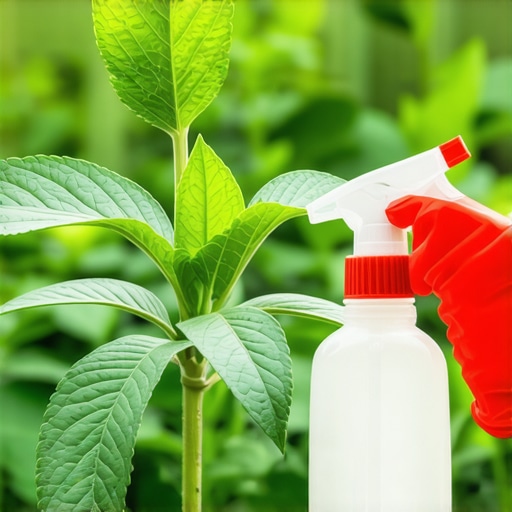
Forget the ‘home remedies’ involving vinegar or spicy peppers; you’ll just burn your leaves. We use a two-stage mechanical and chemical approach. First, the mechanical: you need a nozzle that can produce a concentrated stream. You aren’t misting; you are power-washing. Aim for the undersides of the leaves and the tender new growth at the tips. You want enough pressure to knock them off but not enough to strip the bark. Most aphids that are knocked to the ground cannot climb back up before they starve or are eaten by ground beetles. Second, the wash. We use Potassium Salts of Fatty Acids. This isn’t ‘soap’ like you have in your kitchen. Dish soap is a detergent designed to strip grease off pans; it will strip the protective waxy cuticle off your rose leaves, leading to desiccation and death. True insecticidal soap works by disrupting the permeability of the insect’s cell membranes and blocking their spiracles (breathing holes). It is a physical kill, not a neurological one, which means aphids can’t develop resistance to it. You apply it at a rate of 2.5 to 5 tablespoons per gallon of soft water. Hard water contains calcium and magnesium which binds with the soap and makes it ineffective. If you have hard water, use distilled for this mix.
How much modified gravel do I need for a patio base?
While unrelated to aphids, hardscaping stability requires a 4-inch to 6-inch base of crushed stone or modified gravel, compacted in 2-inch lifts. For a standard 10×10 patio, you will need approximately 1.5 to 2 tons of 2A modified stone to ensure proper drainage and load distribution.
Will dawn dish soap kill my roses?
Using dish detergent on roses is a horticultural error because it acts as a degreaser, stripping the epicuticular wax from the foliage. This leaves the plant vulnerable to sunscald, dehydration, and fungal pathogens like black spot or powdery mildew; always use labeled insecticidal soaps.
Material Comparison for Aphid Control
| Material Type | Action Mechanism | Residual Effect | Risk Level |
|---|---|---|---|
| High-Pressure Water | Mechanical Dislodgment | None | Zero |
| Insecticidal Soap | Membrane Disruption | None (Contact only) | Low (Phytotoxicity in heat) |
| Horticultural Oil | Suffocation/Smothering | Low | Medium (Heat sensitive) |
| Neem Oil | Hormonal Disruption | Moderate | Low (Bee safety concerns) |
The Maintenance Schedule for 2026 Resistance
To prevent aphid outbreaks in 2026, implement a soil health regimen focusing on mycorrhizal fungi and slow-release organics. Avoid over-pruning in late spring, as this stimulates the succulent growth that attracts sap-sucking insects and compromises plant immunity.
- Step 1: Inspect the ‘elbows’ of the rose stems every 3 days during the spring flush.
- Step 2: Apply a 1-inch layer of organic compost to the root zone to buffer nutrient uptake.
- Step 3: Blast visible colonies with 50 PSI water streams before 10:00 AM to allow drying.
- Step 4: Apply potassium salt wash only when temperatures are below 80 degrees Fahrenheit.
- Step 5: Monitor for ‘mummy’ aphids, which indicate parasitic wasps are already working.
It will rot if you don’t watch the moisture. Don’t skip the underside of the leaf. I see guys spray the tops of the plants all day and wonder why the aphids are back in 48 hours. They live in the shade of the leaf. They are protected there. You have to get the wand under the canopy. This isn’t just about ‘cleaning’ the plant; it’s about altering the microscopic environment to be hostile to pests while remaining hospitable to the soil microbiology.
“Effective aphid management begins with cultural controls, including the avoidance of excessive nitrogen fertilization which produces the tender growth aphids prefer.” – Texas A&M AgriLife Extension
The ultimate goal of any garden design should be a self-regulating system. If you have to spray every week, your landscaping is out of balance. Check your soil pH; roses like it slightly acidic (6.0 to 6.5). If your pH is off, the plant can’t uptake micronutrients, its cell walls weaken, and the aphids move in like vultures. Fix the dirt, and the bugs usually take care of themselves.