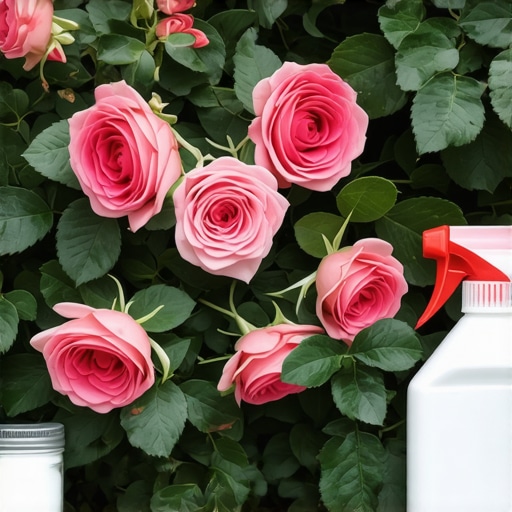
Stop 2026 Leaf Spot on Roses with This Baking Soda Mix
Stop 2026 Black Spot on Roses: The Professional Horticultural Autopsy and Remediation Strategy
I always drill into my new crew members: if you don’t fix the soil grading and air circulation first, every plant you put in the ground is just expensive compost. I have seen million-dollar landscapes decimated by a single fungal outbreak because the designer prioritized aesthetics over biology. Black spot, or Diplocarpon rosae, is not just a cosmetic nuisance. It is a biological attack that weakens the plant’s immune system, leading to systemic failure. By the time you see the yellowing halos on your foliage, the mycelium has already breached the epidermal layer. To stop 2026 leaf spot, we have to look at the yard as an engineering project, starting with the microscopic chemistry of the leaf surface.
What is the best baking soda mix for rose black spot?
The most effective baking soda mix for rose leaf spot consists of 1 tablespoon of sodium bicarbonate, 1 teaspoon of dormant horticultural oil, and 1 gallon of distilled water. This solution alters the pH levels on the leaf surface, making it uninhabitable for fungal spores.
The Forensic Autopsy: Why Your Roses Are Dying
Black spot is a persistent pathogen that overwinter in the soil and on infected canes. It thrives in conditions where leaves remain wet for more than seven hours. If your landscaping design features roses crowded against a fence or wall with zero airflow, you have built a fungal incubator. The fungus spreads via rain splash or overhead irrigation. Once the spore lands, it sends out a germ tube that pierces the cuticle. You cannot ‘cure’ an infected leaf. You can only prevent the next one from falling victim. Most DIYers fail because they spray the top of the leaves but ignore the undersides and the soil surface. This is a structural failure in your maintenance protocol.
“Black spot is the most important disease of roses worldwide. The fungus only infects the foliage when moisture is present on the leaf surface for a minimum of seven hours at temperatures between 70 and 80 degrees Fahrenheit.” – Penn State Extension
The Chemistry of Sodium Bicarbonate vs. Potassium Bicarbonate
While many homeowners reach for the box of Arm and Hammer in the pantry, professional horticulturists often prefer potassium bicarbonate. Sodium bicarbonate (baking soda) contains sodium, which can accumulate in the soil and cause phytotoxicity if overused. It can literally salt your earth. However, for a 2026 prevention strategy, a 1% solution of baking soda is a viable, low-cost fungicide. The mechanism is simple: it shifts the leaf surface to an alkaline state. Fungal spores require a slightly acidic environment to germinate. You are essentially chemically engineering the leaf to be a hostile environment. Use a high-quality spreader-sticker or horticultural oil to ensure the mix stays on the leaf during morning dew.
The Engineering of Airflow and Soil Grading
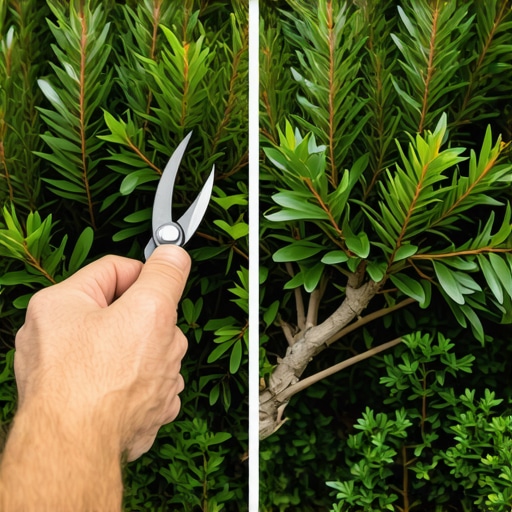
No chemical mix will save a rose bush that is suffocating. I frequently see hardscaping projects where a retaining wall has been built too close to a rose garden, creating a micro-climate of stagnant, humid air. If your roses are constantly battling spot, check your drainage. Diplocarpon rosae thrives in high humidity. You need to ensure your garden design allows for a 360-degree air corridor. I tell my crews to prune for ‘air.’ If a bird can’t fly through the center of your rose bush, it is too dense. Thinning out the interior canes is just as important as the spray schedule. Furthermore, check the hydrostatic pressure in the surrounding soil. If water is pooling at the base of your plants due to poor grading, the humidity will rise directly into the canopy, fueling the infection cycle.
| Treatment Method | Application Frequency | Primary Benefit | Risk Level |
|---|---|---|---|
| Baking Soda Mix | Every 7-10 days | Alters surface pH | Medium (Sodium buildup) |
| Neem Oil | Every 14 days | Organic fungicide/insecticide | Low (Sunburn risk) |
| Potassium Bicarbonate | Every 7 days | Professional grade prevention | Very Low |
| Sulfur Dust | As needed | Strong antifungal | High (Heat sensitivity) |
How much baking soda do I need for rose spray?
Use exactly 1 tablespoon per gallon of water. Exceeding this ratio will result in foliar burn and osmotic stress. Always test the solution on a single branch and wait 24 hours to observe any negative reactions before treating the entire landscape.
How to apply the 2026 remediation mix
Timing is everything. Never spray in the middle of the day when the sun is at its zenith. The oil in the mix will act as a magnifying glass, scorching the leaf tissue. Spray at dawn. This allows the mixture to dry slowly as the sun rises, providing a protective coating before the day’s humidity spikes. Ensure you coat the stems. The spores often hide in the cracks of the bark. It will rot if you don’t keep the crown dry. Don’t skip the soil. Spray the mulch around the base of the plant to neutralize any spores waiting for a rain splash.
“A retaining wall doesn’t fail because of the stone; it fails because of the water trapped behind it. Similarly, a rose garden doesn’t fail because of the fungus; it fails because of the moisture trapped in the canopy.” – Hardscape Engineering Axiom
The 2026 Rose Maintenance Checklist
- Sanitation: Remove and burn all fallen leaves immediately. Do not compost them.
- Pruning: Open the center of the plant to improve airflow. Remove any canes showing dark lesions.
- Irrigation: Shift to drip irrigation. Overhead watering is the primary vector for disease spread.
- Mulching: Apply a fresh 2-inch layer of hardwood mulch in early spring to create a physical barrier between soil spores and leaves.
- Monitoring: Check the undersides of lower leaves every three days during the rainy season.
Why Big-Box Solutions Often Fail
Most commercial ‘all-in-one’ sprays are diluted and contain low-grade surfactants. When we manage high-end estates, we use calibrated equipment to ensure a specific PSI. You want a fine mist that envelopes the leaf, not a heavy stream that rolls off. If you are using a cheap hand-pump sprayer, you are likely missing 40% of the plant. Invest in a professional-grade backpack sprayer with an adjustable nozzle. Precision is the difference between a healthy garden and a graveyard of sticks. Your soil pH should also be tested. Roses prefer a pH of 6.5. If your soil is too alkaline, the plant can’t take up the nutrients it needs to fight off the fungus naturally. It is a holistic system. One part fails, the whole thing collapses.
How often should I spray roses with baking soda?
During the 2026 growing season, apply the baking soda mix every 7 to 10 days and immediately after any heavy rainfall. Consistent application is required because the mixture is water-soluble and will wash away, leaving the plant vulnerable to new spore arrivals.
Ultimately, your roses are a reflection of the environment you have engineered for them. If you provide deep, infrequent watering to force roots down, maintain proper soil biology, and use the baking soda mix as a preventative tool rather than a last-ditch effort, you will succeed. Stop looking for a miracle cure in a bottle. Start looking at your soil, your airflow, and your timing. This is horticultural science, not magic. Clean your tools with isopropyl alcohol between plants. Don’t be the contractor who spreads the plague from one yard to the next.