Best 2026 Grass for Shady Yards with Big Trees
Growing turf grass under a massive oak or maple canopy is not a matter of luck; it is a battle of biological resource allocation. I always drill into my new crew members: if you don’t fix the soil grading and light penetration first, every plant you put in the ground is just expensive compost. Most homeowners see a thinning patch of dirt and throw 50 pounds of cheap big-box seed at it, expecting a miracle. It fails. Every time. The reality is that your grass is starving for light and being strangled by the massive root systems of your trees for every drop of nitrogen and water. To succeed in 2026, you need to understand the physics of the canopy and the specific cultivars designed to survive on the leftovers of the sun.
The Biological Reality of Shade Turf
The best 2026 grass for shady yards consists of specialized Fine Fescues, Palmetto St. Augustine, and high-performance Shadow Turf Zoysia, which require a minimum of four hours of filtered sunlight. These cultivars are engineered for low light compensation points, allowing them to maintain ATP production even when the Photosynthetic Photon Flux Density (PPFD) is drastically reduced by overhead foliage.
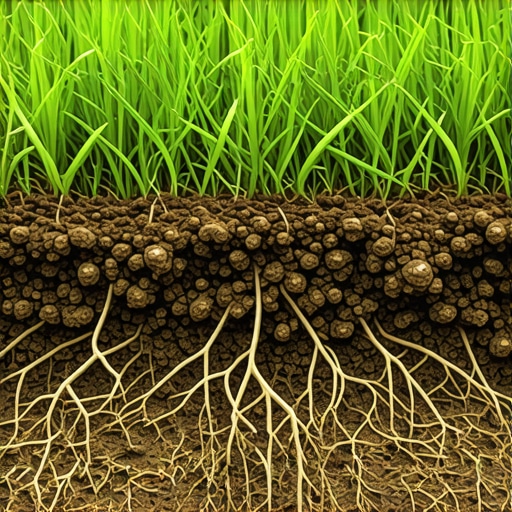
When you walk onto a job site and see yellowing, spindly blades, you are looking at etiolation. The grass is literally stretching its cells to reach for light it will never find. It is a slow death. Trees are greedy. A mature oak can pull 50 to 100 gallons of water out of the soil per day. Your grass is the last one at the dinner table. If you don’t provide supplemental irrigation and targeted fertilization, the tree wins. It always wins. You are fighting for the top four inches of topsoil where the tree’s feeder roots also reside. This is hardscaping for the soul, but the engineering must be precise.
“A lawn in the shade is under constant stress from reduced light, poor air circulation, and intense competition for water and nutrients from tree roots.” – Penn State Agricultural Extension
Top Grass Cultivars for 2026 Shade Performance
Selecting the right species depends on your USDA Hardiness Zone and the type of tree you are dealing with. We no longer rely on generic ‘Shady Mix’ bags that are 80% filler. We use pure-stand genetics that have been trialed for powdery mildew resistance and drought tolerance.
| Grass Species | Sun Requirement | Drought Tolerance | Traffic Durability |
|---|---|---|---|
| Fine Fescue (Hard/Creeping Red) | 3-4 Hours | High | Low |
| St. Augustine (Palmetto/CitraBlue) | 4-5 Hours | Medium | Medium |
| Zoysia (Shadow Turf/Zeon) | 4-5 Hours | High | High |
| Supina Bluegrass | 2-3 Hours | Low | High |
How much sunlight does shade-tolerant grass actually need?
In the world of lawn care, we measure light in Daily Light Integral (DLI). Most ‘shade-tolerant’ varieties still require at least 10 to 15 moles of light per day. If you have less than 4 hours of direct sun, you are not growing grass; you are growing moss or mud. Don’t lie to yourself. You might need to thin the tree canopy or raise the crown to let the 10:00 AM sun hit the deck. Without that light, the grass cannot rebuild its carbohydrate reserves after a mow. It will rot.
Can you grow grass under Oak or Maple trees?
Oaks are manageable because their deep taproots leave some room for the grass. Maples are a nightmare. Norway and Silver Maples have surface roots that suck the soil dry and create a physical barrier for grass roots. Under a Maple, your only hope is a Zoysia variety or a heavy mulch bed. You cannot compete with a 50-year-old root system using a bag of seed. Stop trying. Use hardscaping like stone rings or mulch if the root density is too high.
The Forensic Autopsy: Why Your Last Attempt Died
I look at the soil first. When I see a client’s failed shade garden, I see hydrophobic soil. This happens when the soil becomes so dry under the tree canopy that it actually repels water. The water just beads up and runs off. You think you watered it, but the roots are bone dry. We use non-ionic wetting agents to break that surface tension. Then we look at the pH levels. Tree needles and leaves can drop the pH, making the soil too acidic for grass to uptake phosphorus. If your pH is 5.2, you can dump all the fertilizer you want, but the grass is effectively ‘locked out’ from eating it. We aim for a steady 6.5 pH. Always.
- Check for Compaction: Tree roots and foot traffic compress the soil, removing the oxygen pockets grass needs.
- Monitor Thatch: In shade, moisture sits longer. This leads to rhizoctonia and other fungal pathogens.
- Measure the Mow: You must mow shade grass 1 inch higher than sun-grown grass. More blade surface equals more light absorption.
Step-By-Step Installation Protocol for Shade Success
If you are serious about garden design in the shade, follow this professional workflow. Don’t skip a step. 1. Soil Test: Get a professional lab analysis. Know your NPK and pH. 2. Core Aeration: Pull 3-inch plugs to relieve compaction and get oxygen to the rhizosphere. 3. Top-Dress: Apply a 1/4 inch layer of high-quality organic compost. This introduces mycorrhizal fungi that help the grass roots communicate with the soil. 4. Seed/Sod Selection: Use 2026-rated Fine Fescue blends (Sheep, Hard, and Chewings) or Palmetto St. Augustine. 5. Initial Watering: Mist 3 times a day for 14 days. Once established, switch to deep, infrequent watering. One inch a week, all at once, at 5:00 AM.
“Hydrostatic pressure from poor drainage near tree wells is a leading cause of anaerobic soil conditions that kill turf faster than shade ever could.” – ICPI Hardscape Engineering Standard
The 2026 Maintenance Schedule
Maintenance is where the ‘mow-and-blow’ guys fail. You cannot treat a shady yard like a sunny golf course. You have to be surgical. Limit nitrogen in the fall. If you push too much growth when the light is fading, you’ll get snow mold. Focus on potassium to strengthen the cell walls. In 2026, we are also seeing great results with Gibberellic Acid inhibitors. These are plant growth regulators (PGRs) that slow the vertical growth of the grass but increase the lateral density and root depth. It makes the grass ‘tougher’ without needing more sun. It’s a game-changer for high-end properties.