5 Best Stone Types for a Durable Backyard Fire Pit
5 Best Stone Types for a Durable Backyard Fire Pit
Building a backyard fire pit involves more than just stacking heavy objects in a circle. It is an exercise in thermodynamics and structural engineering. Most homeowners and ‘mow-and-blow’ contractors fail to realize that stones are porous biological and geological entities that react violently to rapid temperature changes. If you select the wrong material, you aren’t building a feature; you are building a pressurized fragmentation mine in your backyard.
The Forensic Autopsy: Why Cheap Fire Pits Fail
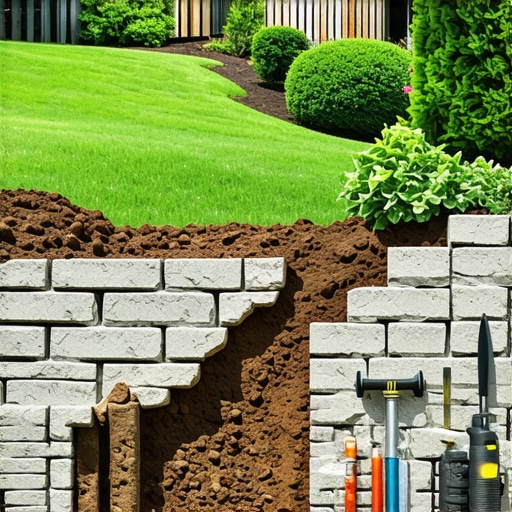
I recently got called out to tear up a $30,000 patio that was sinking because the previous contractor ignored the basic laws of hydrostatic pressure and material science. The center of this disaster was a fire pit built with standard landscape pavers from a big-box store. Within three months, the intense heat caused the concrete pavers to undergo ‘spalling’—a process where moisture trapped inside the block turns to steam, expands, and literally blows the face of the stone off. The heat had also decimated the underlying modified gravel base because they hadn’t used a proper heat shield or refractory liner. The entire patio was heaving because the drainage was blocked by crumbled concrete debris. This is what happens when you treat hardscaping as a weekend craft project rather than a civil engineering task.
“A retaining wall doesn’t fail because of the stone; it fails because of the water trapped behind it.” – Hardscape Engineering Axiom
Selecting Stone for Thermal Resilience
The best stone types for a durable fire pit include fire brick, basalt, granite, soapstone, and slate, provided they are installed with proper air gaps and refractory mortars to manage thermal expansion. These materials offer the density and mineral composition required to withstand repeated freeze-thaw cycles and 1,000-degree internal temperatures without structural failure.
1. Fire Brick (Refractory Brick)
If you want a pit that lasts 50 years, you start with refractory fire brick. This isn’t your standard red clay house brick. Fire bricks are composed of high-alumina clay that can withstand temperatures up to 3,000 degrees Fahrenheit. They act as the internal armor for your pit. You use these to line the interior, bonded with fire-rated mortar. This protects your exterior decorative stone from direct flame contact. Without this liner, even the toughest granite will eventually succumb to thermal fatigue. It is a non-negotiable component for any high-end build.
2. Basalt: The Volcanic Heavyweight
Basalt is an igneous rock formed from rapidly cooling lava. It is incredibly dense and has a low coefficient of thermal expansion. This means when the fire gets hot, the stone doesn’t grow or move significantly. It is the workhorse of the hardscape world. Because it is formed in heat, it handles heat with ease. In my 20 years of digging holes, I have never seen a basalt boulder fail in a fire pit setting. It is heavy, hard to cut, and requires a serious base, but it is nearly indestructible.
3. Granite: Density Meets Aesthetics
Granite is a favorite for garden design because of its crystalline structure and massive variety. However, you must be careful. Granite is a non-porous igneous rock, which is good because it doesn’t absorb water, but it often contains quartz. Quartz expands at a different rate than other minerals in the stone. If you use granite, it must be the exterior facade, never the interior fire zone. When used as a top cap, it provides a massive thermal sink that radiates heat long after the fire has died down. Just ensure it is thick—at least 4 inches—to prevent cracking across the grain.
4. Soapstone (Steatite)
Soapstone is an outlier in the landscaping world but a king in thermodynamics. It is a metamorphic rock that has been used for centuries in wood-burning stoves. It has a high talc content, which gives it a soft feel, but its ability to absorb and radiate heat is unmatched. It does not store moisture, so the risk of exploding is zero. The downside? It is expensive and usually requires custom fabrication. But if you want a pit that stays warm until morning, soapstone is the engineering choice.
5. Slate and Flagstone (Metamorphic Layers)
Slate is excellent for the surrounding patio and the fire pit exterior because of its natural slip resistance and density. However, because slate is a foliated metamorphic rock—meaning it consists of layers—it is prone to ‘shaling’ or flaking if exposed to direct flame. You use slate for the aesthetic finish and the ‘cool-touch’ exterior. It provides a sharp, professional look that integrates perfectly with high-end garden design projects.
How much modified gravel do I need for a patio base?
For a standard fire pit and surrounding seating area, you need a minimum of 6 inches of compacted 21A or 3/4-inch modified gravel. This base must be compacted in 2-inch lifts using a plate compactor until the stone literally bounces the tamper back at you. If you skip compaction, the weight of the stone fire pit will cause the earth to settle, leading to tilted walls and cracked mortar joints within the first year.
| Stone Type | Heat Rating | Porosity Level | Primary Use Case |
|---|---|---|---|
| Fire Brick | Extreme | Very Low | Internal Lining |
| Basalt | High | Low | Structural Walls |
| Granite | Medium-High | Very Low | Capping / Facade |
| Soapstone | Extreme | Zero | Heat Retention |
| Slate | Medium | Moderate | Exterior Finish |
Can granite stones explode in a fire pit?
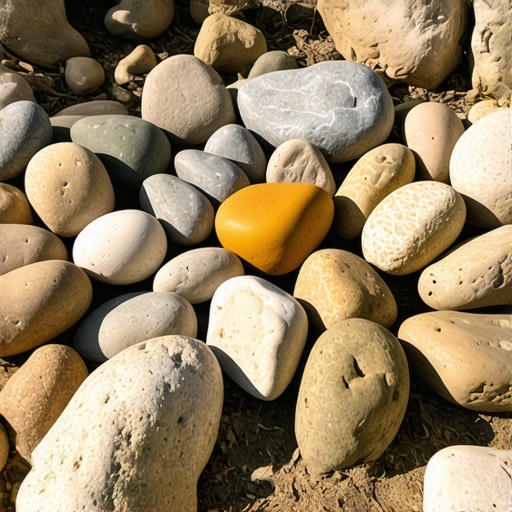
Yes, granite and especially river rocks can explode if they contain trapped moisture in internal fissures. When the water turns to steam, the internal pressure exceeds the stone’s tensile strength. Always ensure your stones are sourced from a reputable quarry and are ‘dry-rated’ before installation. Never use rocks taken directly from a riverbed for a fire pit; they are literal steam bombs waiting to detonate.
“A fire pit is a thermal engine. If you don’t account for the expansion of the air and the stone, the engine will tear itself apart.” – ICPI Installation Standards
The Professional Installation Checklist
- Excavate to the subsoil: Never build on top of topsoil or organic matter. It will rot and settle.
- Install a French Drain: If your fire pit is at a low point in the yard, you must provide a path for rainwater to escape the pit.
- Use 811 before you dig: Gas lines and fiber optics don’t care about your garden design. Call the utility markers.
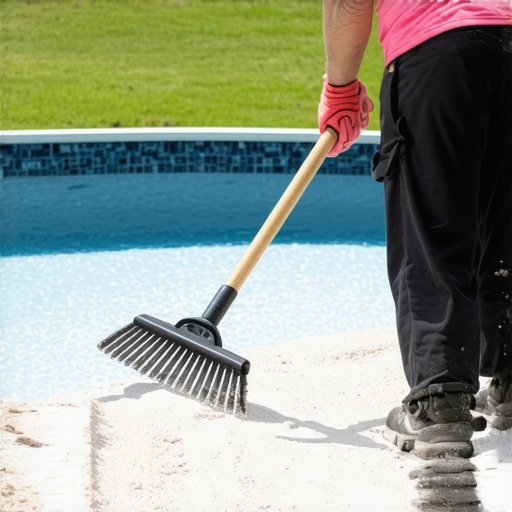
- Apply Polymeric Sand: For the surrounding pavers, use a high-quality polymeric sand to lock the joints and prevent weed growth.
- Leave an Air Gap: Ensure the interior fire brick liner has a 1/2-inch air gap between it and the exterior decorative stone to allow for expansion.
Landscape design is not about what looks good today; it is about what survives ten winters. By selecting dense igneous or metamorphic stones and protecting them with a refractory core, you are building a legacy piece. Don’t listen to the guys at the big-box store. Listen to the geology. Build it right the first time, or don’t build it at all.