How to Convert a Boring Grass Yard into a Wildflower Meadow
Why Traditional Lawns Fail and Meadows Succeed
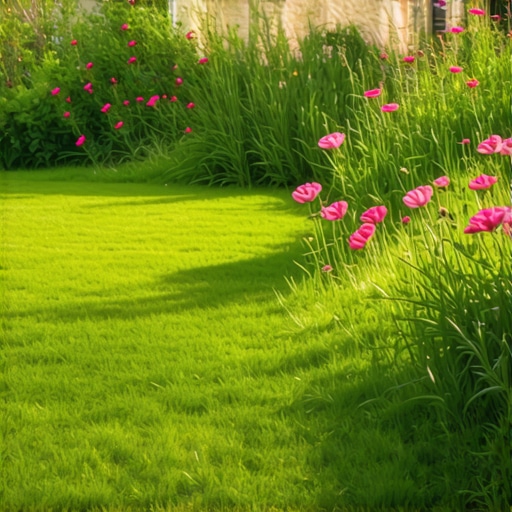
Converting a grass lawn to a wildflower meadow requires eliminating the existing turfgrass monoculture and its nutrient-rich topsoil to allow native Forbes to establish deep root systems without competition from aggressive invasive weeds or non-native grasses that thrive on high nitrogen levels. Most homeowners mistake a meadow for a neglected yard. It is actually a complex ecological system. Standard lawn care focuses on a single species, usually a fescue or Kentucky Bluegrass, which demands constant irrigation and chemical inputs. A meadow, once established, survives on rainfall alone because the root structures of native perennials like Asclepias tuberosa or Echinacea purpurea can extend six to ten feet into the subsoil. This isn’t just about aesthetics; it is about soil engineering. I always drill into my new crew members: if you don’t fix the soil grading first, every plant you put in the ground is just expensive compost. I have seen guys throw $5,000 worth of native seed onto a compacted fescue base and wonder why only the crabgrass came up. If the soil bulk density is over 1.6 g/cm3, your meadow is dead before it starts. You have to break that compaction and exhaust the weed seed bank. This is the difference between a professional install and a DIY disaster. It is a long game.
“A successful meadow establishment is 90% preparation and 10% seeding; the failure to manage the existing seed bank is the primary cause of project collapse.” – Agricultural Extension Agronomy Manual
The Engineering of Site Preparation
Site preparation for wildflower meadows involves the total eradication of cool-season grasses and the depletion of the dormant weed seed bank through methods such as solarization, sheet mulching, or repeated stale seedbed cycles. Don’t skip this. If you think you can just mow the grass short and throw seed, you are wasting money. You need to kill everything. I prefer solarization for smaller residential plots. You use 4-mil clear UV-stabilized plastic and let the sun cook the top 6 inches of soil. This reaches temperatures that literally denature the proteins in weed seeds. If you have heavy clay, this also helps break down some of the surface tension.
| Method | Timeframe | Labor Intensity | Success Rate |
|---|---|---|---|
| Solarization | 3-4 Months | Low | 92% |
| Sheet Mulching | 6-12 Months | High | 75% |
| Herbicide (Glyphosate) | 2-4 Weeks | Low | 88% |
| Sod Stripping | 1 Week | Very High | 60% |
How long does it take for a wildflower meadow to look good?
The timeline for meadow establishment follows the sleep, creep, leap rule where perennial wildflowers spend the first year developing rhizomes and taproots, the second year showing modest foliage growth, and the third year reaching reproductive maturity with full floral displays. In year one, you will see mostly dirt and maybe some annuals like Coreopsis tinctoria. This is where most people quit. They think they failed. They haven’t. They are just watching the biology happen underground. You must resist the urge to fertilize. Fertilizing native plants is a death sentence; it just makes the weeds grow faster. Native species are evolved for lean, mean soils. They don’t want your 10-10-10 big-box pellets. [IMAGE_PLACEHOLDER]
Do I need to fertilize my wildflower meadow?
Fertilization of wildflower meadows is counterproductive because native plant species are adapted to low-nutrient environments, and adding nitrogen specifically encourages the growth of invasive annual grasses and broadleaf weeds that will overtop and shade out your desired meadow species. If your soil is too rich, you might actually need to remove the topsoil or grow a heavy-feeder crop like corn for a season just to strip the nitrogen out. We are looking for a specific carbon-to-nitrogen ratio. High nitrogen equals high weeds.
“Native wildflower communities demonstrate higher resilience in phosphorus-deficient soils where mycorrhizal fungi associations can flourish without competition from nitrophilous weeds.” – Restoration Ecology Standard
The Seeding and Installation Protocol
Professional wildflower seeding requires a carrier medium like damp sand or sawdust to ensure an even distribution of seeds, which often vary significantly in size and weight, preventing the clumping of species during the broadcasting process. Use a 1:5 ratio of seed to sand. It lets you see where you have been. After broadcasting, you don’t bury the seed. Most native seeds are photoblastic; they need light to germinate. You use a water-filled roller to press the seed into the soil. You want seed-to-soil contact, not seed-under-soil burial. Don’t use straw mulch. Straw is full of grain seeds. You will end up with a wheat field, not a meadow. If you need erosion control, use a light wood-fiber hydromulch or a sterile coconut coir mat.
- Conduct a 24-hour percolation test to check drainage.
- Remove 100% of existing turf and weed biomass.
- Do not till deeper than 2 inches to avoid surfacing buried weed seeds.
- Mix seed with 5 parts damp masonry sand.
- Roll the area with a 300-pound lawn roller for contact.
- Mow to a height of 6 inches during the first year to decapitate annual weeds.
The Maintenance Schedule: Year One and Beyond
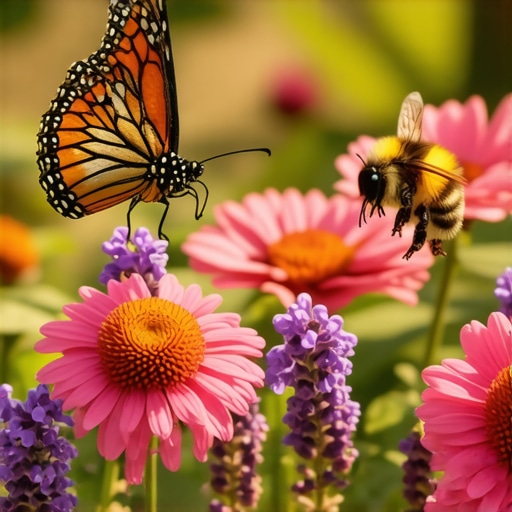
Wildflower meadow maintenance in the first two years focuses on high-mowing strategies to prevent invasive annuals from setting seed while allowing the slower-growing perennials to receive adequate sunlight for photosynthesis and root development. Set your mower to its highest setting, usually 6 inches. When the weeds hit 10 inches, cut them back. This doesn’t hurt the native seedlings because they are still hugging the ground. By year three, you only mow once a year, in late winter. This clears the dead stalks and allows the seeds to drop. It also protects overwintering insects in the stems. If you see a patch of Canada Thistle, spot-treat it immediately. Don’t wait. One thistle becomes a thousand in two seasons. Persistence is the only way to win. It will look messy. That is the point. You are building a functioning ecosystem, not a plastic-looking golf course. Final site inspection: if you see bees and butterflies by year two, you are on the right track. If you see nothing but bare dirt and thistles, you cheated on the site prep. Don’t cheat.
![Stop 2026 Peony Droop with This 3-Stake Support [Easy]](https://lawnmajesty.com/wp-content/uploads/2026/05/Stop-2026-Peony-Droop-with-This-3-Stake-Support-Easy.jpeg)