
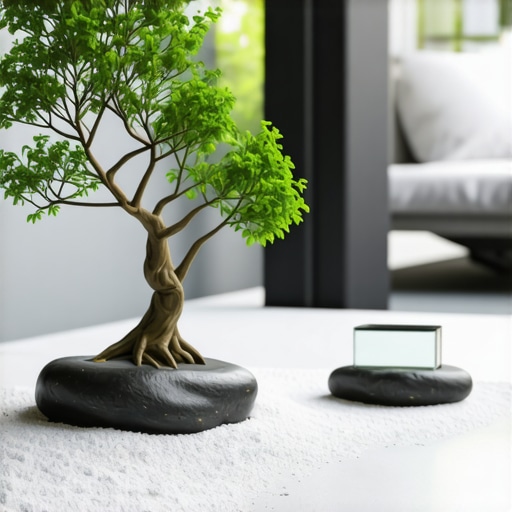
Building a 2026 Zen Garden in a Small Space
The Foundation of Silence: Why Zen Starts with Engineering
Building a 2026 Zen garden in a small space requires a shift from aesthetic fluff to hardscape precision and soil mechanics. In tight urban footprints, every square inch must manage drainage, soil compaction, and plant physiology with surgical accuracy to prevent structural failure or plant death within the first twenty-four months.
I always drill into my new crew members: if you don’t fix the soil grading first, every plant you put in the ground is just expensive compost. I’ve spent twenty years watching homeowners drop five figures on Japanese Maples and granite basins only to have the whole thing turn into a stagnant, anaerobic swamp because they didn’t understand sub-surface hydrology. A Zen garden isn’t just about ‘peace’; it is about managing the 2% slope and ensuring your aggregate base can withstand the freeze-thaw cycles of the next decade. If your foundation is soft, your peace of mind will be shorter than a cheap lawn mower’s warranty. Don’t skip the transit level. Measure twice, or you’ll be digging it out twice.
How do you design a Zen garden for a small backyard?
Designing a Zen garden for a small backyard requires vertical layering and high-density hardscaping to maximize the perceived scale of the site. By utilizing natural stone focal points, permeable aggregates, and dwarf cultivars, you create a self-contained ecosystem that manages stormwater while providing visual depth through forced perspective.
The Sub-Base: The Invisible Engine of Your Garden
Most contractors fail because they treat the ground like a static object. It isn’t. When we talk about hardscaping in a Zen context—specifically the raked gravel areas (Karesansui)—the prep work is identical to a high-traffic patio. You need a minimum of 4 inches of compacted modified gravel (3/4-inch minus). Use a plate compactor. The soil beneath must be excavated to remove organic matter that will decompose and cause settling. If you leave roots under your gravel, your ‘waves’ will be lumpy within two seasons. It will fail.
“A retaining wall doesn’t fail because of the stone; it fails because of the water trapped behind it.” – Hardscape Engineering Axiom
We use a non-woven geotextile fabric between the subgrade and the stone base. This isn’t for weeds—weeds come from the top—it’s for soil separation. It keeps your expensive clean stone from sinking into the clay. [image_placeholder_1]
The Math of Materials: Aggregate Selection
In a small space, the scale of your stone determines the scale of your garden. For 2026 trends, we are moving away from standard pea gravel, which shifts underfoot and is impossible to rake into crisp lines. Instead, we use decomposed granite or crushed 1/4-inch basalt. These materials have angular edges that lock together, allowing for the precise, tectonic lines required in Japanese garden design.
| Material Type | Compaction Rate | Drainage Rating | Maintenance Requirement |
|---|---|---|---|
| Pea Gravel | Low | High | Weekly Raking |
| Decomposed Granite | High | Medium | Monthly Reset |
| Crushed Basalt | High | High | Bi-Annual Raking |
| River Rock (Cobble) | None | High | Manual Weed Pulling |
How much modified gravel do I need for a patio base?
To calculate the modified gravel needed for a patio base, multiply the total square footage by the depth in feet (e.g., 0.33 for 4 inches) and divide by 27 to find the cubic yardage. For a 10×10 space, you will need approximately 1.5 to 2 tons of stone to ensure a stable, non-shifting foundation for your Zen features.
Horticultural Precision: Selecting 2026 Cultivars
Planting in a small Zen garden is an exercise in biotic restraint. You aren’t looking for ‘lush’ growth; you are looking for structural integrity and slow metabolic rates. In 2026, we are leaning heavily on climate-resilient cultivars that can handle the heat islands of urban environments without requiring 20 gallons of water a day.
“Successful plant establishment in confined urban soils depends entirely on the management of the root flare and the prevention of girdling roots during the first three years of growth.” – Penn State Agricultural Extension
Stop burying your trees too deep. I see ‘mulch volcanoes’ every day that literally suffocate the cambium layer of the tree. Find the root flare. It must be visible. If it’s not, you’re just planting a slow-motion funeral.
The Zen Garden Installation Checklist
- Site Survey: Locate all underground utilities (Call 811) and mark the 2% drainage slope away from the home.
- Excavation: Remove 6-8 inches of soil to account for base material and finish grade.
- Compaction: Run a plate compactor over the subgrade until the soil no longer deforms under weight.
- Geotextile Layer: Lay professional-grade non-woven fabric to prevent soil migration.
- Hardscape Setting: Place large ‘anchor stones’ (Sanzon Ishigumi) at 1/3 of their height into the ground for a weathered, permanent look.
- Irrigation: Install a subsurface drip line to provide targeted hydration to root zones without disturbing the raked gravel.
What is the best ground cover for a low-maintenance Zen garden?
The best ground cover for a low-maintenance Zen garden is Scleranthus biflorus (Australian Cushion Bush) or Bryum argenteum (Silver Moss) for shaded areas. These species provide a dense, carpet-like texture that mimics rolling hills while requiring zero mowing and minimal supplemental irrigation once established in a stable soil pH.
The 2026 Tech Integration: Smart Zen
The modern Zen garden isn’t just rocks and moss; it’s a high-performance system. We are now integrating soil moisture sensors that link to your smartphone. In a small space, one hot afternoon can dry out a Japanese Maple in a container or a raised bed. These sensors monitor the volumetric water content (VWC) of the soil. If the VWC drops below 15%, the drip system kicks in. It’s not lazy; it’s biological insurance. The soil in small urban plots is often poor, compacted, and high in pH due to concrete leaching. Test your soil. If your pH is above 7.5, your acid-loving Zen plants will chlorose and die. Use elemental sulfur to bring it down. Precision matters.
The Settling-In Period: Year One Expectations
After the crew leaves, the garden begins its most dangerous phase. The first year is about root establishment and structural settling. You will see some shifting in the gravel. This is normal. You might see some leaf drop. Don’t panic. What you shouldn’t see is standing water. If water sits for more than four hours after a rain, your drainage engineering failed. In a small space, you can’t hide mistakes. The 2026 Zen garden is a marriage of ancient philosophy and modern civil engineering. Treat it like a machine, and it will give you the silence you’re looking for. Neglect the physics, and it will just be another pile of expensive rocks. Keep your edges clean. Watch the water. Grow slow.

![Stop 2026 Peony Droop with This 3-Stake Support [Easy]](https://lawnmajesty.com/wp-content/uploads/2026/05/Stop-2026-Peony-Droop-with-This-3-Stake-Support-Easy.jpeg)