Stop 2026 Lawn Fungus After Heavy Rains
The Forensic Autopsy of a Saturated Lawn
The ground does not just get wet; it suffocates. When you walk across your turf after a week of 2026 spring deluges and hear that distinct, rhythmic squelch, you are hearing the death of aerobic soil life. I recently got called out to a property where a homeowner had completely torched their front lawn by applying a high-nitrogen starter fertilizer just six hours before a massive thunderstorm. That nitrogen acted like rocket fuel for Rhizoctonia solani, the pathogen behind Brown Patch. By the time I arrived, the yard smelled like a swamp and the grass was literally melting off the root system. This is what happens when you treat your yard like a decoration instead of a biological engine. If the soil cannot breathe, the grass will die. It is that simple. The excessive moisture from recent heavy rains has created a perfect storm for fungal pathogens to thrive in the thatch layer and root zone. You need to act now or prepare to spend thousands on new sod next season. Maintenance is cheaper than replacement. Don’t skip the basics.
Diagnosing the 2026 Fungal Outbreak
To effectively stop 2026 lawn fungus, homeowners must address soil drainage, nitrogen levels, and air circulation immediately after heavy precipitation. Excessive moisture trapped in the thatch layer creates an incubator for pathogenic spores like Brown Patch and Pythium Blight, which can destroy turfgrass in 48 hours. Identifying the specific fungus is the first step in remediation. Look for the ‘smoke ring’ of gray, fuzzy mycelium at the edge of brown patches. This is a sign of active infection. If the grass feels greasy or slimy, you are likely dealing with Pythium, which is the Ebola of the lawn world. It moves through water droplets. If you mow while it is wet, you are just spreading the plague. Stop. Put the mower away.
Why does my grass turn yellow after it rains?
Yellowing after rain, known as chlorosis, often indicates nitrogen leaching or root hypoxia where water has displaced oxygen in the pore space. In heavy 2026 rains, anaerobic conditions prevent the root system from absorbing nutrients, leading to a pale, sickly appearance often mistaken for fungal infection.
| Fungal Disease | Visual Indicator | Environmental Trigger | Chemical Control |
|---|---|---|---|
| Brown Patch | Circular brown rings | High Nitrogen + High Humidity | Azoxystrobin |
| Pythium Blight | Greasy, dark streaks | Poor drainage + Heat | Mefenoxam |
| Dollar Spot | Silver-dollar sized spots | Low Nitrogen + Heavy Dew | Propiconazole |
| Gray Leaf Spot | Small gray lesions with borders | Extended leaf wetness | Thiophanate-methyl |
The Mechanics of Fungal Proliferation
Fungi are opportunistic. They wait for a drop in the plant’s defense system. When heavy rains saturate the soil, the oxygen levels plummet. This stresses the chlorophyll production. The fungus then secretes enzymes that dissolve the cell walls of the grass blades. This is not a ‘disease’ as much as it is a decomposition process. The fungus is trying to turn your lawn into compost while it is still attached to the ground.
“Large patch is a soil-borne fungal disease caused by Rhizoctonia solani that is most common in warm-season grasses during periods of high moisture.” – Clemson University Cooperative Extension Service
The soil biology in most residential yards is broken. Years of using cheap, synthetic fertilizers have killed the beneficial microbes that usually keep these pathogens in check. You have created a vacuum, and the fungus is filling it. To stop it, you have to change the environment.
The Remediation Protocol
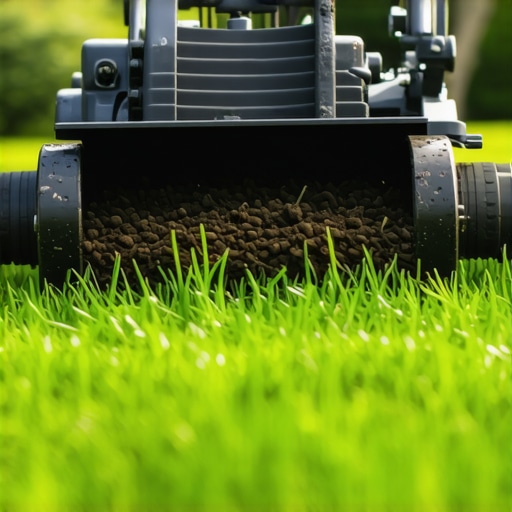
Remediating lawn fungus involves core aeration to increase oxygen exchange, applying fungicides with specific active ingredients, and adjusting the soil pH. A professional landscaping approach focuses on long-term soil health rather than temporary green-up, ensuring the turfgrass can withstand 2026 weather patterns. [image_placeholder_1] First, get a soil test. If your pH is below 6.0, your grass cannot even use the nutrients you’re giving it. Second, check your drainage. If water sits for more than two hours after a rain, you have a hardscape and grading issue. You might need a French drain or a dry creek bed to move that water away.
How do I stop lawn fungus from spreading?
Stop the spread of lawn fungus by disinfecting mower blades with a 10% bleach solution and avoiding irrigation during high humidity periods. Professional lawn care experts recommend deep, infrequent watering only in the early morning to allow the leaf blade to dry before nightfall.
- Clean mower deck: Spores hitch a ride on clumps of wet grass.
- Sharpen blades: A dull blade tears the grass, leaving a jagged wound for fungus to enter.
- Core aerate: Pull 3-inch plugs to break up the compaction.
- Apply Calcitic Lime: Only if your soil test confirms acidity.
- Bag clippings: During an active fungal breakout, do not mulch.
Soil Engineering and Drainage
You can spray all the chemicals you want, but if your yard is a bowl, the fungus will return. This is where hardscaping meets agronomy. We look at the hydrostatic pressure of the soil. If you have a retaining wall without proper weep holes or a gravel backfill, the water is being trapped behind it and forced into your lawn’s root zone.
“Proper drainage is the most critical factor in preventing Pythium blight; the pathogen requires standing water to move its swimming zoospores to new hosts.” – Ohio State University Extension
I always tell my crew: if the grade is wrong, the job is wrong. We use modified gravel bases for any hardscape to ensure water can move through the system, not sit on top of it. If your lawn is flat, consider top-dressing with a sand-compost mix to improve the percolation rate.
Long-Term Maintenance Schedule
Once you have stopped the immediate rot, you need a plan. Stop the high-nitrogen habit. Switch to a slow-release organic fertilizer that feeds the soil, not just the plant. Monitor the thatch layer. If it’s thicker than half an inch, it’s acting like a sponge for pathogens. In the fall of 2026, you should be overseeding with fungus-resistant cultivars. Not all fescue is created equal. Look for ‘Endophyte-enhanced’ seeds. These have a built-in symbiotic fungus that actually protects the grass from harmful pests and diseases. It is biological warfare, and you want to be on the winning side. It will take time. Nature does not move on your schedule. Stick to the protocol. Check your irrigation clocks. If it rains an inch, your sprinklers should stay off for a week. Real garden design involves understanding the water cycle of your specific lot. Don’t be the neighbor with the ‘mow-and-blow’ crew that ruins their soil. Be the one with the scientific approach.