How to Prune 2026 Hydrangeas for Massive Blooms
Understanding the Physiological Blueprint of 2026 Hydrangea Blooms
To achieve massive blooms in 2026, you must identify if your hydrangea flowers on old wood or new wood before making a single cut. Pruning at the wrong time removes the pre-formed floral primordia, resulting in a year of green foliage with zero flower production. This is not about aesthetics; it is about plant biology and the management of apical dominance. I always drill into my new crew members: if you don’t fix the soil grading and understand the plant’s vascular structure first, every plant you put in the ground is just expensive compost. In the case of hydrangeas, the ‘compost’ happens when you hack away the future flowers because you didn’t check the bud set. We are playing a long game here. The work you do in late 2024 and throughout 2025 dictates the cellular strength of the 2026 floral display. Most homeowners fail because they treat hydrangeas like a hedge. They are not a hedge. They are deciduous shrubs with specific endocrine responses to mechanical injury. If you shear them like boxwoods, you kill the bloom cycle. Period.
“A pruning cut is a wound that the plant must compartmentalize while rerouting its energy toward dormant lateral buds.” – Horticultural Science Manual, 4th Edition
How much should I cut back my hydrangeas?
The amount you remove depends entirely on whether the species is a Hydrangea macrophylla, which requires minimal thinning of old canes, or a Hydrangea paniculata, which can be cut back by one-third to one-half to encourage vigorous new growth. Always leave at least two sets of healthy buds on each stem to ensure a viable regrowth point for the upcoming season. Don’t eyeball it. Use a ruler if you have to. Precision matters when you are dealing with the vascular cambium. If you cut too close to the bud, you risk desiccation. If you leave a long stub, you invite fungal pathogens like Botrytis to move in and rot the stem from the top down. It will rot. Don’t skip the details.
The Critical Taxonomy of Hydrangea Pruning
Identifying the species is the first step in the 2026 planning phase because the timing of bud differentiation varies wildly between the Hydrangea macrophylla and the Hydrangea paniculata. You cannot treat a Bigleaf hydrangea the same way you treat a PeeGee. The Macrophylla sets its 2026 buds in the late summer of 2025. This means any pruning done in late autumn or winter will literally be cutting off the 2026 flowers. Conversely, the Paniculata and Arborescens varieties develop their buds on the new growth produced in the spring of 2026. This distinction is the difference between a yard full of color and a yard full of disappointment. I have seen million dollar landscaping jobs ruined because a maintenance crew didn’t know the difference between ‘old wood’ and ‘new wood’. It is a fundamental failure of professional standards.
| Species Type | Wood Growth Pattern | Ideal Pruning Window | 2026 Bloom Target |
|---|---|---|---|
| H. macrophylla (Bigleaf) | Old Wood | Immediately after 2025 blooms fade | June/July 2026 |
| H. paniculata (Panicle) | New Wood | Late Winter/Early Spring 2026 | August 2026 |
| H. arborescens (Smooth) | New Wood | Late Winter 2026 | June 2026 |
| H. quercifolia (Oakleaf) | Old Wood | Post-Bloom 2025 | Early Summer 2026 |
What happens if I prune hydrangeas in the winter?
Pruning old-wood hydrangeas in the winter removes the dormant flower buds that were set the previous summer, resulting in a total loss of blooms for the following season. For new-wood varieties, winter pruning is acceptable and often beneficial for structural integrity. You must know your plant’s DNA before you pick up the shears. If you see a fat, green bud at the end of a leafless stick in December, that is a flower. Do not touch it. If you cut it, you are waiting until 2027 for that branch to produce again. This is where the ‘mow and blow’ guys fail. They want everything level and clean for the winter, but hydrangeas don’t want to be clean. they want to be left alone until their biological clock says otherwise.
The Engineering of a Massive Bloom: Soil and Hydrology
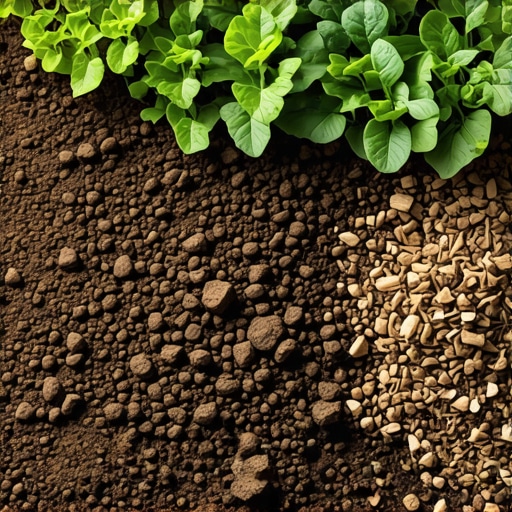
Massive blooms are 90 percent chemistry and 10 percent cutting, as the plant needs a specific N-P-K ratio and soil pH to transport the necessary nutrients to the developing inflorescence. Phosphorus is the engine of the flower. Nitrogen is the engine of the leaf. If you over-apply high-nitrogen turf fertilizer near your hydrangeas, you will get a massive green bush with tiny, pathetic flowers. The lawn care industry is notorious for this. They broadcast high-N granules that leach into the garden beds, causing the hydrangea to go into a vegetative frenzy at the expense of its reproductive cycle. You need a soil test. You need to know your pH levels. For blue blooms in Macrophylla, you need acidic soil (pH 5.2 to 5.5) to make aluminum available. For pink, you need alkaline soil (pH 6.5 and up). This is not magic; it is basic soil science.
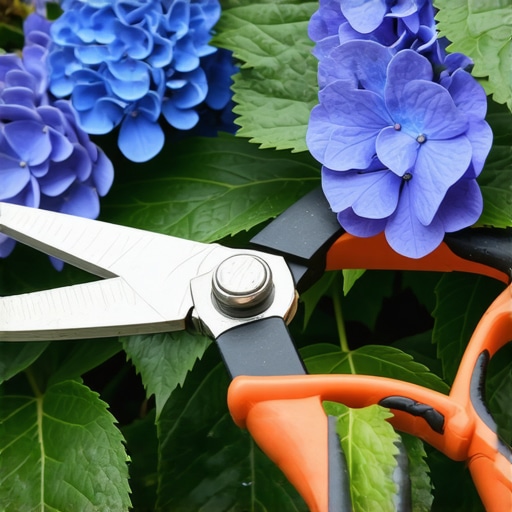
- Sanitize Tools: Clean your bypass pruners with 70 percent isopropyl alcohol between every plant to prevent the spread of tobacco mosaic virus.
- The 45-Degree Cut: Always cut at a 45-degree angle away from the bud to ensure water runoff. Standing water on a flat cut is a breeding ground for spores.
- Thinning the Center: Remove the oldest, grayest canes down to the ground to improve airflow. This reduces the risk of powdery mildew and Cercospora leaf spot.
- The Root Flare Check: Ensure the root flare is visible and not buried under a mulch volcano. Mulch against the bark causes rot.
- Hydration Protocol: Hydrangeas are named for ‘hydro’. They need 1 inch of water per week, delivered at the soil level, not the foliage.
“Proper drainage is the silent partner of the horticulturist; without it, the most expensive fertilizer is merely a pollutant.” – Pennsylvania State Agricultural Extension
The Blueprint B: The Ground-Up Build for 2026
Preparation for the 2026 season begins with the selection of the nursery stock in 2025. Stop buying the root-bound, clearance-rack plants from big-box stores. Those plants have been stressed, under-watered, and their roots are likely girdling the interior of the pot. When a root girdles, it acts like a slow-motion garrote, eventually strangling the plant’s vascular system. You want nursery-grade stock with a clear, healthy root flare. When you plant, don’t just dig a hole. You need to excavate a site three times the width of the root ball but no deeper. The soil compaction at the bottom of the hole must be minimal to allow the primary taproot and lateral feeders to penetrate the subsoil. If you drop a plant into a tight, clay hole, you have created a bathtub. The roots will drown. I have excavated hundreds of dead shrubs where the homeowner wondered why it died, and the answer was always the same: no oxygen in the root zone. 2026 blooms start with 2025 oxygen.
When is the best time to fertilize for 2026 flowers?
The best time to fertilize for 2026 blooms is in early spring 2025 as the plant breaks dormancy, followed by a light application in mid-summer. Avoid late-season fertilization, as this encourages soft, new growth that will be decimated by the first hard frost of winter. Use a slow-release granular fertilizer with a 10-30-10 or 15-30-15 ratio. You want that middle number high. That is your phosphorus. That is your bloom power. If you use a 29-0-4 lawn fertilizer, you are sabotaging yourself. You are telling the plant to grow leaves, not flowers. Stop listening to the guy at the hardware store. Listen to the plant. If the leaves are dark green but there are no buds, you have a nitrogen toxicity issue. If the leaves are yellow but the veins are green, you have interveinal chlorosis, likely caused by a pH imbalance that is locking out iron and manganese.
Pruning Mechanics: The Three-Step Process
First, identify the ‘Dead, Damaged, or Diseased’ wood. This is the 3D rule of professional landscaping. Remove these completely. Second, look for crossing branches. When two branches rub together, they create an open wound in the bark. This is an entry point for pests like borers and fungal spores. Third, perform the structural cut. For a Paniculata, this means heading back the previous year’s growth to a strong set of buds. For a Macrophylla, it means selectively removing one-third of the oldest canes to the ground to stimulate new, vigorous growth from the crown. This ‘renewal pruning’ ensures the shrub stays productive for decades rather than becoming a woody, unproductive mess. You have to be aggressive but informed. If you are afraid to cut, you are not a gardener; you are a spectator. The plant responds to the stress of a clean cut by releasing growth hormones. It wants to grow. You are just directing that energy.