How to Kill 2026 Poison Ivy Without Chemicals
To kill poison ivy without chemicals in 2026, you must employ a multi-layered strategy of mechanical extraction, thermal denaturing, and anaerobic smothering to destroy the plant’s root system and urushiol reserves without disrupting local soil microbiology or beneficial insects. This professional-grade approach focuses on exhausting the energy stores within the rhizomes while maintaining the integrity of your garden design and lawn care standards.
The Forensic Autopsy: Why Your Yard Became a Toxic Host
Identifying the root cause of a poison ivy infestation is the first step toward permanent remediation. Toxicodendron radicans thrives in edge habitats where woodland meets managed landscaping, capitalizing on disturbed soil and nitrogen-rich runoff. I always drill into my new crew members: if you don’t fix the soil grading and site conditions first, every plant you put in the ground is just expensive compost. Most homeowners see a vine and reach for a spray bottle, but they fail to understand the sheer persistence of the plant’s adventitious roots. These roots act as anchors and nutrient conduits, allowing the plant to scale a 60-foot oak or carpet a 500-square-foot lawn. If your garden design includes neglected perimeter zones or excessive leaf litter, you have created a breeding ground for urushiol-saturated intruders. The failure is rarely the plant; it is the management of the biome. We see this often in new developments where the soil has been stripped of its natural fungal networks, leaving a vacuum that aggressive, opportunistic natives like poison ivy are happy to fill.
“Poison ivy is a resilient woody perennial that reproduces through seeds and an extensive underground rhizome system, making mechanical control a multi-year commitment.” – Penn State Extension
The Engineering Solution: Anaerobic Smothering and Sheet Mulching
To kill poison ivy by smothering, you must construct a biodegradable barrier using double-walled corrugated cardboard and a minimum of six inches of carbon-dense arborist wood chips to induce rhizome starvation. This method is superior to plastic sheeting, which traps heat but allows moisture to accumulate, often creating a perfect nursery for the very roots you are trying to kill. The cardboard must be overlapped by at least 12 inches at every seam to prevent the vines from finding a light gap. Once the barrier is in place, the weight of the wood chips applies physical pressure while the decomposition process consumes available surface nitrogen, forcing the poison ivy to exhaust its stored carbohydrates. This is not a fast process. It takes 18 to 24 months for a mature root system to completely die back. During this time, the soil microbiology beneath the cardboard is actually improving, as earthworms and fungi break down the cellulose, preparing the area for future landscaping or garden design projects. Do not use dyed mulch from big-box stores; it lacks the fungal diversity needed to out-compete the ivy.
How long does urushiol stay active on dead vines?
The urushiol oil found in poison ivy can remain active and potent for up to five years on dead vines, tools, and clothing. This chemical stability means that even after the plant is dead, the physical remains must be handled with the same level of caution as a living specimen to avoid severe contact dermatitis. Hardscaping projects often uncover old roots that are still toxic. Treat every vine as a hot wire.
The Thermal Strike: Using Boiling Water and Steam
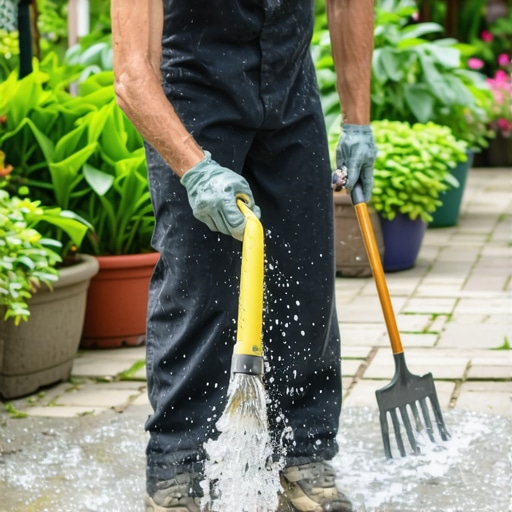
To eradicate poison ivy using thermal energy, you must saturate the root crown with water heated to at least 212 degrees Fahrenheit to denature the plant’s proteins and cause cellular collapse. This is particularly effective for small clusters of ivy emerging through cracks in hardscaping or along the edges of a patio. A standard kettle is insufficient; you need a high-capacity steamer or a large-volume boiling pot to ensure the heat penetrates at least four inches into the soil profile. The objective is to cook the roots, not just wilt the leaves. While this method is highly effective, it is indiscriminate. It will kill any beneficial soil microbes and neighboring grass in the immediate vicinity. Use this as a surgical strike, not a carpet-bombing technique. After the thermal treatment, the area should be heavily mulched to prevent any surviving seeds from germinating in the newly cleared, nutrient-rich soil. It is a game of heat transfer and soil depth.
| Method | Success Rate | Soil Impact | Recovery Time |
|---|---|---|---|
| Sheet Mulching | 92% | Positive (Humus Building) | 18-24 Months |
| Thermal Searing | 75% | Negative (Microbe Loss) | 2-4 Weeks |
| Manual Extraction | 88% | Neutral (Disturbed) | Immediate |
| Vinegar Drench | 40% | Negative (Acidification) | 3-6 Months |
Manual Extraction: The High-Stakes Surgical Removal
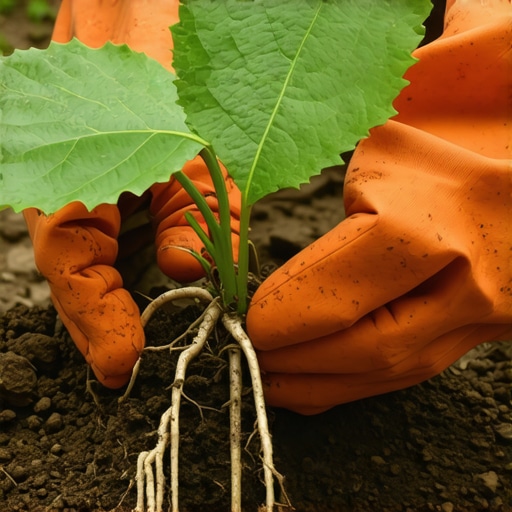
To manually remove poison ivy, you must extract the primary taproot and all secondary rhizomes using a systematic trenching technique to prevent re-sprouting from root fragments. This is the most labor-intensive method, but it provides the most immediate results for high-traffic lawn care areas. You start by cutting the vines at the base (never pull from the top, or you will shower yourself in oils). Use a sharpshooter spade to dig a trench 12 inches away from the main stem, circling the plant to find the lateral roots. These roots often run just two inches below the surface. Trace them back to their origin point. Every inch of root left in the ground has the potential to start a new colony. This is where the “mow-and-blow” hacks fail; they just trim the top, which actually stimulates the plant to send out more lateral runners, worsening the problem for the following season. You must be thorough. You must be patient. One missed rhizome means the battle starts over in the spring.
“Control of woody vines requires the total destruction of the root system, as even small fragments of rhizomes contain enough energy to regenerate foliage.” – Agronomy Field Manual
Can goats really clear a massive poison ivy infestation?
Using goats for poison ivy control is a highly effective biological solution for large-scale landscaping clearances, as their digestive systems neutralize urushiol while their grazing habits strip the plant of its photosynthetic capabilities. However, goats only remove the top growth. To achieve a permanent kill, the goats must be returned to the site multiple times over two seasons to keep the plant from regenerating, eventually starving the roots. They are a tool, not a one-time miracle.
The Post-Extraction Decontamination Protocol
Once the poison ivy has been physically removed, you must follow a strict decontamination sequence to ensure no urushiol is transferred to your hardscaping tools, skin, or future planting sites. Professional landscapers use degreasers, not just soap. Urushiol is an oil; it requires a surfactant capable of breaking down complex organic bonds. Use cold water initially, as hot water opens your pores and allows the oil to penetrate deeper into your skin. Wash your tools with mineral spirits or a specialized poison ivy wash immediately after use. If you used a mower to clear the area, the entire underside of the deck is now a biohazard and must be pressure washed. Do not skip this. I have seen guys get rashes six months later just by picking up an old pair of loppers that weren’t cleaned properly. The job isn’t done until the site and the gear are clean.
- Wear disposable Tyvek suits and nitrile gloves over heavy work gloves.
- Bag all plant material in 3-mil contractor bags for landfill disposal.
- Never burn poison ivy; the urushiol becomes airborne and can cause systemic internal reactions.
- Apply a pre-emergent organic weed barrier to the disturbed soil to prevent seed germination.
- Re-seed or re-plant the area immediately with native groundcovers to out-compete ivy.
Maintaining a Poison-Free Landscape
The final phase of killing poison ivy without chemicals is the establishment of a competitive landscape. Empty soil is an invitation for disaster. Once you have cleared the ivy, you must fill that niche with aggressive, desirable plants that fit your garden design. For shaded areas, consider native ferns or ginger. For sunny lawn edges, maintain a thick turf density through proper aeration and overseeding. A healthy lawn is the best defense against invasive species. Check your perimeter every two weeks during the growing season. If you see a single leaf of three, pull it immediately. At that stage, the root system is weak and easily managed. Landscaping is a game of persistence. You don’t win the war in a single afternoon; you win it through better biology and more disciplined engineering than the weeds. It takes work. It takes dirt. It takes a plan.
![Why Your 2026 Peonies are Drooping [Support Hack]](https://lawnmajesty.com/wp-content/uploads/2026/05/Why-Your-2026-Peonies-are-Drooping-Support-Hack.jpeg)