Ditch the Bag: Why Mulching Grass Wins in 2026
The Death of the Green Bag: Why Your Lawn is Starving
Mulching grass clippings directly back into the turf provides a natural fertilizer source that can supply up to 25% of your lawn’s seasonal nitrogen requirements. By 2026, the transition toward closed-loop nutrient cycling in residential landscaping has become the gold standard for maintaining high-performance turf without the chemical dependency of the past. Bagging grass is a relic of the ‘mow-and-blow’ era that prioritizes aesthetics over soil microbiology.
I see it every spring. A homeowner calls me in a panic after they completely torched their front lawn by applying a high-dose synthetic nitrogen fertilizer they bought at a big-box store. Their grass was looking pale and thin because they spent the last three years bagging every single clipping, effectively mining the soil of its natural resources. They thought the answer was a chemical fix. Instead, they ended up with a salt-burned root system and a pH level that looked more like battery acid than a growing medium. I had to explain to them that they were throwing away free money every time they put a bag on that mower. We didn’t just need a re-seed; we needed a forensic soil remediation strategy to bring the microbes back from the dead.
“A lawn that is consistently bagged loses the very organic matter required to maintain soil structure and moisture retention capabilities.” – Penn State Center for Turfgrass Science
Why is bagging grass clippings bad for your yard?
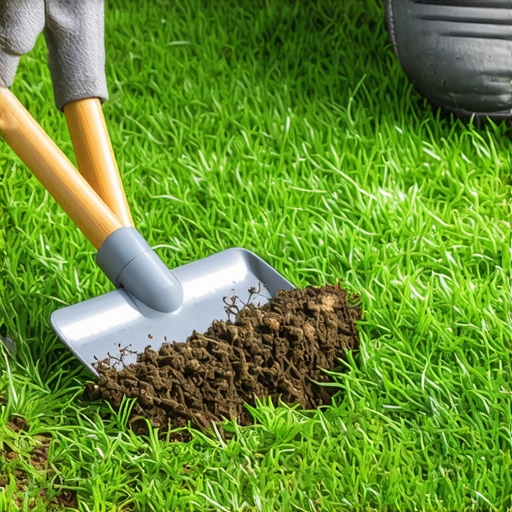
Bagging clippings creates a nutrient deficit by removing phosphorus, potassium, and nitrogen that the plant has already processed and stored. This removal forces the soil to work harder, leading to compaction and a decline in cation exchange capacity (CEC), which eventually necessitates more frequent irrigation and heavier chemical applications to keep the grass green. It is a cycle of failure. You are essentially paying to have your soil’s fertility hauled away to a landfill. [IMAGE_PLACEHOLDER]
The Science of the Mulching Blade
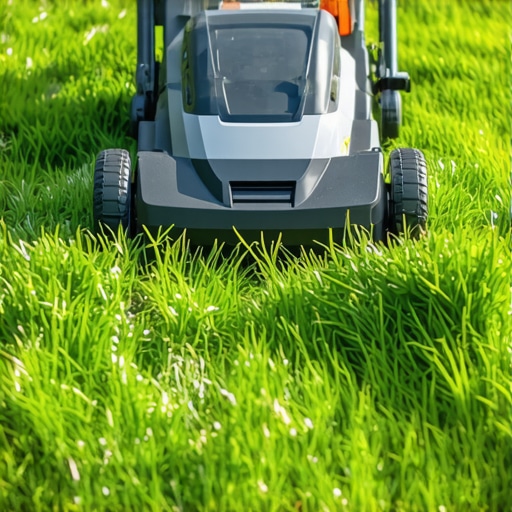
In 2026, high-torque electric mowers and specialized mulching blades have changed the engineering of the cut. A standard discharge blade just hacks the grass once. A true mulching blade features a high-lift design and multiple cutting edges that trap the clipping in the deck, processing it into micro-particles. These particles are small enough to fall past the canopy and hit the soil surface immediately. This isn’t just about hiding the mess; it is about surface area. Smaller particles decompose faster. If the clipping is too large, it sits on top, blocks sunlight, and contributes to fungal pathogens. If it is processed correctly, it becomes microbial food within 48 hours. Don’t skip the blade sharpen. A dull blade tears the cell walls of the grass, causing tip browning and making the plant susceptible to disease. I tell my crew: if you can’t shave with the mower blade, it isn’t ready for the job site.
How much modified gravel do I need for a patio base?
While often discussed in hardscaping, the same drainage logic applies to your lawn; for a standard patio base, you need 6 inches of compacted 2A modified gravel, but for your turf to breathe, you need a soil profile that isn’t compacted like a parking lot. Mulching clippings increases pore space in the soil through the action of earthworms that rise to the surface to consume the decaying matter. This natural aeration is more effective over time than any machine you can rent. We use a penetrometer to measure soil resistance; lawns that are mulched consistently show significantly lower PSI readings than those that are bagged and chemically treated.
The 2026 Mulching vs. Bagging Comparison Table
| Feature | Mulching (Recommended) | Bagging (Obsolescent) |
|---|---|---|
| Nitrogen Return | Approx. 1 lb per 1,000 sq ft/year | 0 lbs (Removed) |
| Moisture Retention | Increases by 15-20% | Reduced; soil dries faster |
| Labor Intensity | Low (No stopping to empty) | High (Frequent stops/disposal) |
| Soil Microbes | Highly Active | Dormant/Declining |
| Thatch Risk | Negligible (if mowed frequently) | Higher due to chemical reliance |
Is grass mulching bad for thatch buildup?
Contrary to common myths, grass clippings do not cause thatch; thatch is a layer of lignin-rich roots and stems that decompose slowly, whereas clippings are 85% water and cellulose, which break down rapidly. Thatch becomes a problem only when soil oxygen is low or when over-fertilization leads to excessive root growth near the surface. In fact, the microbes stimulated by mulching actually help break down existing thatch layers. If you see a thick mat, don’t blame the clippings; blame your grading or your irrigation schedule. You are likely watering too often and too shallowly. Stop it. Water deep and infrequent to force the roots down. Check your 811 / Dig Safe markings before you ever think about deep core aeration to fix a thatch problem.
“Modern turf management emphasizes the return of organic residues to the soil to foster a resilient ecosystem capable of resisting heat stress and pest pressure.” – Texas A&M Agrilife Extension
The Remediation Checklist: Switching to a Mulching System
- Blade Sharpness: Sharpen blades every 10-15 hours of use. A clean cut is a healthy cut.
- The One-Third Rule: Never remove more than one-third of the grass blade height in a single pass.
- Frequency: Increase mowing frequency during the peak growth surge to keep clipping size manageable.
- Dryness: Only mulch when the grass is dry to prevent clumping and anaerobic pockets.
- Deck Cleaning: Scrape the underside of the mower deck weekly. Dried grass buildup ruins the aerodynamics of the mulch chamber.
Maintaining the 2026 Standard
Your lawn is a living, breathing biological engine. When you treat it like a waste production facility by bagging clippings, you break the engine. To maintain a high-end garden design, you must respect the NPK ratios happening naturally under your feet. Every two years, get a professional soil test. Don’t guess; measure. If your pH is off, no amount of mulching will save you. Adjust with calcitic lime or sulfur based on the data. The goal is a self-sustaining turf that requires fewer inputs and survives the freeze/thaw cycles of our changing climate. It isn’t just grass; it is civil engineering with a green face. Do the work. Respect the dirt. Stop bagging.
![Why Your 2026 Grass Seed is Failure [Clay Fixes]](https://lawnmajesty.com/wp-content/uploads/2026/06/Why-Your-2026-Grass-Seed-is-Failure-Clay-Fixes.jpeg)