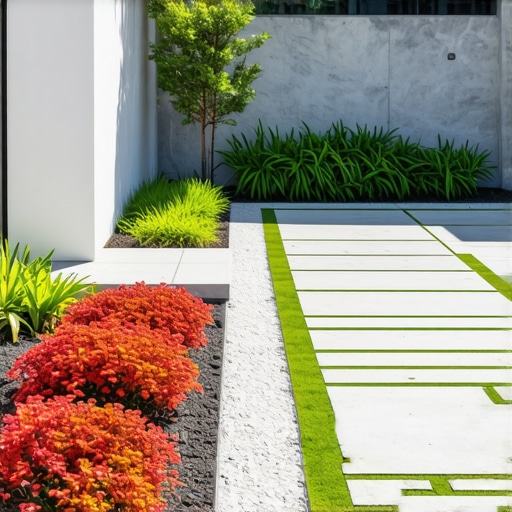
I remember the moment vividly—standing in my backyard, gazing at my tired, outdated patio, feeling a mix of disappointment and frustration. It was then I had my lightbulb moment: hardscaping could revolutionize my outdoor space, but only if I kept up with the latest trends. If you’ve ever felt that your garden isn’t living up to its potential and wondered how to turn it around, you’re not alone. Many homeowners face the same dilemma: how to create a stunning, functional outdoor area without spending a fortune or ending up with a design that looks outdated within months.
Why Staying Ahead of Hardscaping Trends Matters in 2025
In recent years, outdoor design has shifted dramatically. What was trendy a few seasons ago can quickly become outdated, leaving you with a space that doesn’t impress or worse, feels mismatched. Keeping up with 2025’s top hardscaping trends can help you avoid the pitfall of a stale backyard while ensuring your investment adds lasting value. As a backyard enthusiast and someone who’s navigated this terrain myself, I learned the hard way that jumping into a project without research often leads to costly mistakes. I once installed stone pavers that looked great initially but chipped and faded faster than I anticipated, a mistake I now advise every homeowner to avoid. According to a recent study, homes with updated outdoor spaces see increased curb appeal and property value—some estimates suggest up to 12% more—making it a smart investment that pays off in the long run.
So, how do you get started? The secret lies in understanding the current landscape of hardscaping, choosing innovative ideas that blend style and durability, and steering clear of outdated designs. Ready to discover practical tips that will help you craft a stunning, modern outdoor space in 2025? Let’s dive into the key strategies to get your project off the ground.
Is Modern Hardscaping Actually Worth the Hype?
I’ll admit, I was skeptical at first. I worried that embracing the newest trends might mean wasting money on fleeting fads. My early mistake was chasing after every shiny idea without considering how it fit my lifestyle or climate. But I learned that when combined with proper planning and expert advice, modern hardscaping can truly enhance your outdoor living experience. Curious? Check out how effective strategies can turn your backyard into a sanctuary suited for your needs.
Plan with Purpose and Precision
Start by assessing your existing space—visualize how different hardscaping features will complement your garden’s layout. Sketch a rough map, marking areas for pathways, patios, and focal points. By doing this, you’ll identify the best spots for each feature and avoid clutter. I once spent a weekend drawing a detailed plan, which helped me realize that a curved pathway would better guide visitors and create a more inviting flow, saving me costly revisions later.
Choose Durable, Modern Materials
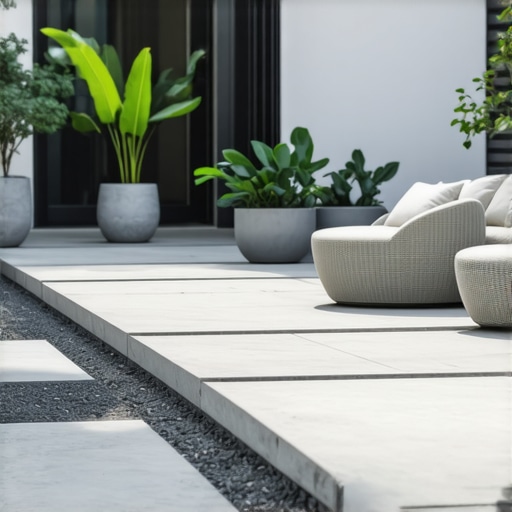
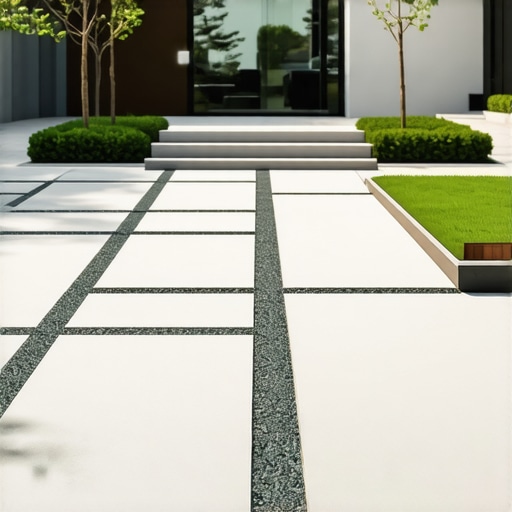
Select materials that balance aesthetics with longevity. Porcelain pavers, stamped concrete, and modern gravel mixtures are trending in 2025 for their sleek appearance and resilience. Think of your hardscape as the backbone of your outdoor aesthetics—like the frame of a house. When I replaced my old concrete with textured porcelain tiles, not only did the look modernize, but the surface also became less slippery and more resistant to weather changes, bringing peace of mind and style.
Layer Elements for Visual Depth
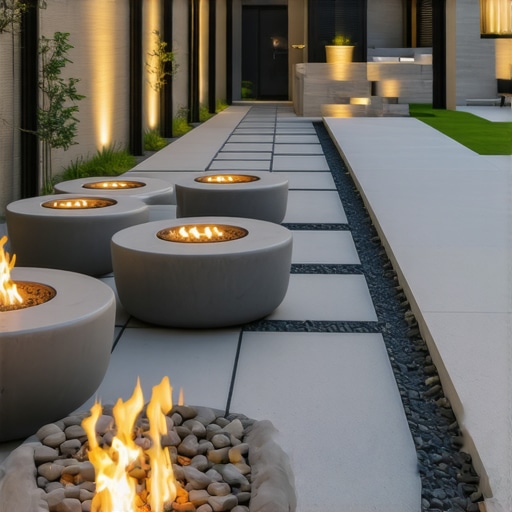
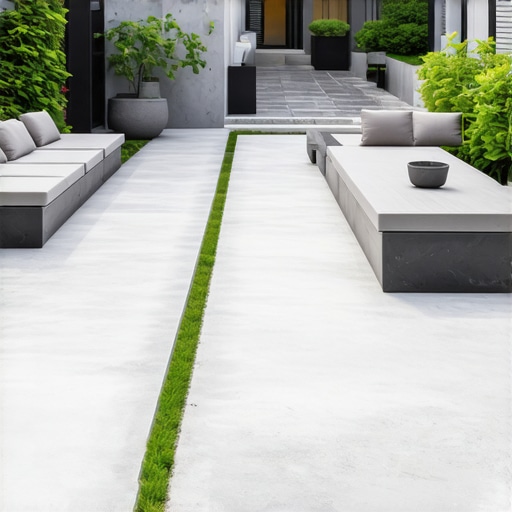
Instead of flat, uniform surfaces, create visual interest by layering textures and heights. Incorporate raised planters, tiered seating, or embedded lighting. This is akin to composing a painting—each layer adds depth and focus. I experimented with embedding LED lights into my stone steps, which transformed my backyard into a magical evening retreat. Proper layering directs attention and makes your space feel thoughtfully designed and expansive.
Implement Smart Zone Design
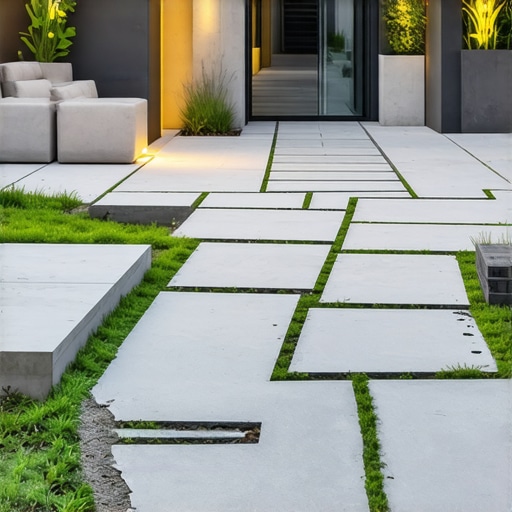
Divide your yard into functional zones—dining, lounging, play—using changes in paving patterns or borders. This approach is like organizing a toolbox: each zone has its purpose, making maintenance straightforward and use more enjoyable. When I redesigned my patio, I created a distinct lounge area with randomly patterned flagstones and a dining zone with sleek large slabs, which clearly defined spaces and boosted the overall harmony.
Incorporate Sustainable Elements
Opt for permeable pavements and native stone choices to enhance drainage and support local ecology. Consider integrating a rain garden within your hardscape plan. This mirrors the idea of working with nature rather than against it—much like choosing native plants for a garden. I once replaced a section of traditional concrete with gravel and permeable pavers, which reduced runoff and created a charming, eco-friendly feature that also lowered maintenance needs.
Focus on Maintenance and Accessibility
Use slip-resistant surfaces and modular components for easy repair. Ensure pathways are wide enough for mobility aids, creating an inclusive environment. Think of this as designing a highway—smooth, safe, and accessible. I learned this the hard way when narrow, uneven paths made watering the garden cumbersome; widening and leveling the paths made daily tasks easier and safer, demonstrating that practical hardscaping benefits everyone.
Stay Updated with Trends and Innovations
Regularly browse sources like hardscaping ideas for modern outdoor spaces to keep your design fresh. Incorporate new concepts such as integrated seating or water features that are trending this year. I experimented with a sleek, rain-fed fountain that doubled as a gathering point; not only did it refresh the look, but it also became the highlight of my backyard for guests.
Many homeowners assume that following popular trends guarantees a stunning outdoor space. However, a common misconception is that adopting the latest styles ensures longevity and compatibility. In reality, what most people overlook are the nuanced details that distinguish amateurish setups from expert-level landscaping. One widespread myth is that implementing flashy features or bold designs always elevates a garden’s appeal. While visual impact matters, ignoring foundational principles like soil health, climate considerations, and maintenance needs can turn your project into a costly mistake. For instance, choosing trendy materials without assessing their long-term performance often results in premature wear and frequent repairs. An effective hardscaping strategy involves selecting durable, climate-appropriate materials that age gracefully—something overlooked by many aiming for quick fixes.
Is Your Hardscaping Truly Sustainable for Your Climate?
Understanding the ecological aspect of your hardscape choices is critical yet often underestimated. Many fall into the trap of using permeable pavements or native stones simply because they’re trendy, not because they suit the specific climatic challenges of their area. This oversight can lead to increased maintenance costs, drainage issues, or even plant health problems. For example, selecting a stone that absorbs heat might cause your surrounding plants to suffer in hot climates. Scientific studies support the idea that sustainable hardscaping directly influences overall landscape resilience and aesthetic longevity. Modern ideas emphasize tailored solutions that consider local microclimates, promoting eco-friendliness and ease of upkeep.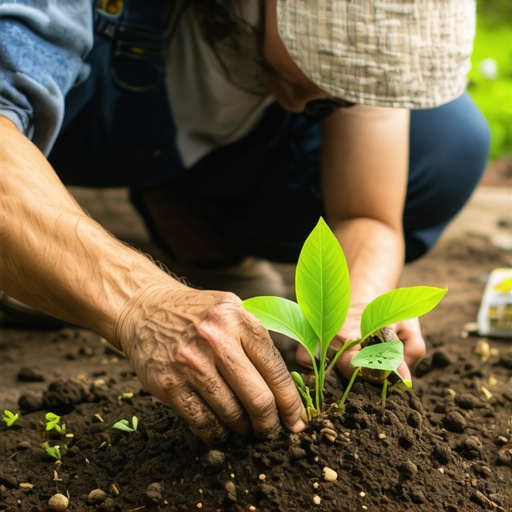
Another critical aspect is the often-overlooked complexity of zone planning. Many enthusiasts attempt to create multifunctional areas without understanding how different zones interact or the importance of flow. Without careful consideration, you risk creating disjointed spaces that feel cluttered or inefficient. An advanced mistake is neglecting accessibility—designing gardens that look beautiful but are difficult to access for maintenance or mobility aids. Taking a nuanced approach—integrating ergonomics with aesthetics—can prevent this common trap and create a harmonious outdoor environment that endures.
Challenging the naive belief that bigger is always better, I recommend focusing on smart, strategic placements of elements. Small, well-thought-out features often outperform expansive, poorly executed designs. Remember, even expert landscapers pay close attention to soil prep, drainage, and native plant selection—details that amateurs frequently dismiss. Incorporating these nuances can significantly elevate your garden’s visual appeal and resilience.
In summary, avoiding these hidden pitfalls requires a keen understanding of underlying principles rather than just copying trends. Keep in mind that garden design is an evolving discipline: staying informed through resources, experimenting with tested techniques, and learning from mistakes is key. Ready to master your landscape? Explore innovative ideas to transform your outdoor space by browsing modern hardscaping ideas that align with your unique environment.
Have you ever fallen into this trap? Let me know in the comments.
How Do I Maintain My Hardscaping and Landscaping Over Time?
Maintaining a beautiful outdoor space isn’t a one-and-done task; it requires consistent effort, the right tools, and strategic planning. From ensuring pavers remain tight and level to keeping greenery lush and healthy, dedicated maintenance can significantly extend the lifespan of your hardscaping and landscaping investments. Personally, I rely on a combination of high-quality equipment and smart software to stay ahead of the curve. For instance, I use a cordless, brushless leaf blower for delicate cleaning and detailed work, which offers powerful performance without the exhaust fumes of gas models. My go-to is the Dyson V15 Detect for its superior suction and intelligent sensor system, making yard cleanup less time-consuming.
Additionally, I leverage landscape design software like SketchUp or Garden Planner to envisage seasonal changes and plan proactive updates. This approach prevents issues before they become costly repairs. Over the years, I’ve realized that consistent monitoring allows me to spot weed growth, erosion patterns, or structural wear early—saving me money and effort in the long run. Regular inspections combined with seasonal pruning, mulching, and edging keep my garden looking pristine throughout the year.
Must-Have Tools for Longevity and Ease
Investing in quality tools is essential. A durable string trimmer like the Stihl FS 89 R ensures clean edges and reduces the risk of damaging plants. For hardscaping, a hydraulic wedge and sealant applicator maintain joint integrity and prevent weed infiltration. I also swear by moisture meters to keep an eye on soil health, ensuring my native plants thrive without overwatering.
When dealing with seasonal maintenance, keeping an organized toolkit with specialized brushes, statement-leveling tools, and pressure washers helps me execute projects efficiently. Remember, using the correct equipment isn’t just about convenience—it’s about protecting your investment and reducing long-term costs.
Adjusting Tools and Techniques for Future Trends
Looking ahead, I predict an increasing integration of smart technology into garden maintenance. Automated irrigation systems linked with weather forecast data are already transforming watering schedules, and robotic lawn mowers are becoming more sophisticated. Embracing these innovations now can lead to substantial time savings and healthier landscapes. For example, I plan to incorporate sensors that monitor soil conditions and trigger targeted watering, aligning with eco-friendly trends discussed in 2025’s landscape technology advancements.
To get started, choose a reliable, weather-resistant smart sprinkler controller like the Rachio 3. It adapts to seasonal shifts and soil moisture levels, ensuring efficient water usage without over-saturation. Implementing these tools not only preserves your hardscape and plant health but also minimizes your environmental impact.
How do I keep my outdoor spaces looking their best year-round?
Consistency is key. Schedule regular maintenance sessions—seasonal pruning, weed removal, and drainage checks—and set reminders to inspect your equipment. Over time, this routine nurtures a resilient, beautiful garden that remains aligned with modern trends here. Consider also upgrading your tools periodically, investing in models with improved ergonomic features and longer-lasting batteries. A well-maintained garden isn’t just visually appealing; it also adds real value to your property and provides a tranquil retreat amidst the chaos of everyday life.
Remember, a proactive maintenance approach coupled with the right tools and technology can turn a passive garden into a thriving outdoor masterpiece. Don’t wait until issues arise—start implementing these strategies today and witness your landscape flourish season after season.
Lessons the Garden Whisperer Won’t Reveal Easily
- One of my toughest lessons was realizing that trendiness isn’t synonymous with longevity. I once installed a flashy water feature that looked stunning initially, but failed to consider maintenance. Now I focus on timeless designs that age gracefully, saving me time and money.
- Choosing materials without assessing their climate suitability is a costly mistake. I learned this the hard way when a trendy composite decking warped under hot summer sun. Now, I prioritize native stones and durable pavers, which stand up to weather and look fantastic for years.
- Layering isn’t just for paintings—creating depth in hardscaping transforms a mundane yard into an immersive experience. Embedding lighting and varying textures has made my outdoor space feel more expansive and inviting, a trick I wish I knew sooner.
- Design with intention, not impulse. Careful planning, including zone division and flow, prevents your yard from feeling chaotic. My best projects started with sketches and purpose-driven layouts—simple steps that made a big difference.
Tools and Resources That Changed My Hardscaping Game
- Rachio 3 Smart Sprinkler System: It adapts watering schedules to weather conditions, conserving water and keeping my landscape healthy. I’ve seen the benefits firsthand—less waste, a greener yard.
- SketchUp Software: Visualizing my future design helped me make informed decisions before laying a single stone. It’s a game-changer for pre-visualization and avoiding costly mistakes.
- Permeable Pavements Resources: Learning about eco-friendly materials from specialized sources has inspired me to implement sustainable solutions that support local ecology and reduce runoff.
- Expert Blogs and Trend Reports: Following hardscaping ideas for modern outdoor spaces keeps me inspired with fresh, innovative concepts suited for 2025.
Your Next Step in Creating a Lasting Outdoor Sanctuary
Designing a beautiful, modern outdoor space isn’t just about following trends—it’s about thinking long-term, embracing innovation, and tailoring ideas to your environment. As you embark on your hardscaping journey, remember that the most remarkable gardens are made when passion meets purpose. Start today with a clear plan, select durable materials, and stay curious about emerging innovations. The outdoor transformation you and your loved ones enjoy tomorrow begins with the decisions you make today. Ready to elevate your garden design? Browse more ideas for modern hardscaping and take that first confident step. Have you faced a hardscaping challenge that taught you a valuable lesson? Share your experience below—I’d love to hear how you’re shaping your outdoor oasis.

This post really hits home for me. I recently renovated my backyard, and I wish I had read this beforehand. I learned it the hard way that choosing the right materials, especially ones suited for our climate, makes all the difference in end results. For example, I initially went with a trendy composite decking, only to see it warp under the intense summer heat here in Georgia. Now, I focus on native stone and durable pavers, which have held up beautifully and require less maintenance. I also appreciate the insight about layering for depth — embedding lighting in steps was a game-changer for evening visits. It transformed my outdoor space into a cozy oasis. My question is, how do you balance aesthetics with functionality, especially when designing zones for different activities in small yards? Would love to hear tips from experienced landscapers here! Overall, this article offers fantastic guidance for anyone looking to stay ahead with hardscaping trends while keeping practicality in mind.