Why we love steel edging for modern gardens
The Structural Reality of Steel Edging in Modern Landscape Design
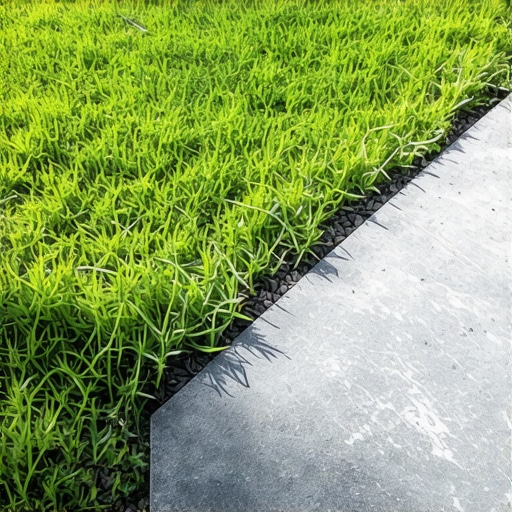
Steel edging provides a permanent, low-profile barrier that prevents grass rhizome invasion and maintains crisp geometric lines in modern hardscaping. Unlike plastic, professional-grade steel resists frost heave and mechanical damage from string trimmers, ensuring the structural integrity of your garden design for decades without the unsightly bulk of concrete. I always drill into my new crew members: if you don’t fix the soil grading first, every plant you put in the ground is just expensive compost. The same logic applies to borders. I once got called to a site where a DIYer used plastic bender board for a 50 foot radius. After one winter, the frost heave pushed the plastic up four inches, looking like a discarded ribbon. We ripped it out and installed 14-gauge weathering steel. That was twelve years ago. It has not moved an eighth of an inch since. Modernism demands precision. You cannot achieve a 90 degree angle with plastic or timber without eventually seeing rot or warping. Steel allows for a razor-thin profile that separates a hardscaping element from a lawn care zone with surgical accuracy.
“The primary cause of hardscape failure is the lack of a defined edge restraint to manage lateral forces.” – Hardscape Engineering Axiom
The Physics of Frost Heave and Lateral Soil Pressure
Soil is not a static medium; it is a fluid-like mass that expands and contracts based on moisture content and temperature. In landscaping, the edge restraint must act as a retaining wall on a micro-scale. When the ground freezes, the water in the soil pores expands by 9 percent. Cheap edging materials like thin poly-film or pressure-treated wood lack the tensile strength to resist this upward and outward pressure. Professional-grade steel, specifically 14-gauge or 1/4-inch plate, has the rigidity to stay vertical while being thin enough to be invisible to the eye. We use steel because it handles the PSI of a plate compactor. If you are building a gravel path next to a planting bed, you need to compact that aggregate to 95 percent Proctor density. Steel holds that line. Plastic just collapses under the weight of the machinery. We see too many garden design projects fail because the designer ignored the physics of the edge. It will rot if it is wood. It will crack if it is thin plastic. Steel is the only material that improves with age as the patina develops.
How deep should steel garden edging be installed?
To ensure maximum stability, steel edging should be installed with at least 80 percent of its height buried beneath the soil surface. For a standard 4-inch strip, this means 3.2 inches must be underground to prevent the freeze-thaw cycle from levering the stakes out of the clay or loam. This depth also serves a biological purpose. Most turf grass species, particularly those with aggressive rhizomes like Kentucky Bluegrass or Bermuda, spread their root systems in the top 3 inches of soil. By installing the steel to a 4-inch depth, you create a physical subterranean wall that stops grass from migrating into your mulch beds. This reduces the labor required for lawn care and chemical edging. Stop spraying glyphosate every month. Just install the steel deep enough to block the roots. It is basic biology. If the root hits a steel plate, it turns. If it hits a plastic lip, it grows under it. Don’t skip the trenching phase. Use a dedicated gas-powered bed edger to cut a clean 1/2-inch wide slot. Manual spades often leave too much air space, leading to poor compaction and wobbly lines.
| Material Choice | Gauge / Thickness | Expected Lifespan | Frost Resistance |
|---|---|---|---|
| Weathering Steel (Corten) | 14-Gauge to 1/8-inch | 30+ Years | High |
| Galvanized Steel | 16-Gauge | 20-25 Years | Moderate/High |
| Commercial Plastic | 1/4-inch Poly | 3-5 Years | Low |
| Aluminum Edging | 1/8-inch | 15-20 Years | Moderate |
Material Science: Weathering Steel vs. Galvanized Options
Choosing the right alloy is critical for the longevity of your hardscaping project. Weathering steel, often referred to by the brand name Corten, is designed to form a stable rust-like appearance if exposed to the weather for several years. This layer of oxidation is not a sign of failure; it is a protective barrier that prevents deeper corrosion. The copper, chromium, and nickel in the alloy create a dense patina that seals the interior steel. Galvanized steel, on the other hand, uses a zinc coating. This is excellent for coastal areas with high salt content in the air, but the bright silver finish often clashes with modern, earth-toned garden design aesthetics. If you are working in high-pH soils, specifically those above 7.5, galvanized steel can see a faster rate of zinc depletion. I prefer raw weathering steel for almost all high-end residential work. It looks like it grew out of the ground. It is honest. It does not pretend to be something else. It is an industrial solution for a biological environment.
“Soil moisture content significantly dictates the rate of oxidation in buried ferrous metals.” – Agronomy Manual for Professional Landscapers
Does steel landscape edging rust through over time?
Professional-grade steel edging will not rust through during a typical homeowner’s tenure, as 14-gauge weathering steel loses less than 0.5 millimeters of thickness every decade in non-acidic soil environments. While surface oxidation occurs within weeks of installation, the structural integrity remains intact for 30 to 40 years depending on soil drainage and local climate. To prevent accelerated corrosion, ensure that the edging is not sitting in standing water. Proper landscaping requires a 2 percent grade away from the house and borders. If you have a low spot where water pools, even steel will eventually succumb to pitting. This is why we always check the soil pH and drainage before we drive the first stake. If the soil is boggy, we install a French drain behind the edge. This protects the investment. It is about systems, not just parts. A steel edge in a swamp is a bad idea. A steel edge in well-drained loamy soil is a multi-generational solution.
- Step 1: Mark your lines using a high-visibility layout string or marking paint.
- Step 2: Excavate a trench 1/2 inch wider than the edging using a vertical spade or power edger.
- Step 3: Clear all stones and roots larger than 1 inch to ensure the steel sits flush.
- Step 4: Set the steel into the trench, overlapping the sliding joints by at least 4 inches.
- Step 5: Drive 12-inch steel stakes through the punched slots at a 15-degree angle for maximum pull-out resistance.
- Step 6: Backfill with native soil and compact using a hand tamper to eliminate air pockets.
The Maintenance Reality: Life After Installation
Once the steel is in the ground, your lawn care routine becomes significantly more efficient. You can run a string trimmer directly against the steel without fear of shattering the border. Try that with plastic and you will be picking up green shards for a week. The steel protects the root zone of your ornamental plants from the mechanical vibration of mowers. Over time, the soil will settle and the steel will become part of the land’s architecture. Every spring, check for any stakes that might have been pushed up by extreme frost, though this is rare if you used the 12-inch serrated stakes we recommend. If the patina looks uneven, give it a quick spray with a hose to even out the moisture. Do not paint it. Painting steel edging is a mistake that leads to a cycle of peeling and scraping. Let the metal be metal. That is the essence of modern garden design. It is durable, it is clean, and it works. Anything else is just temporary.
![Fix a 2026 Yard Slope with This $300 Fieldstone Wall [DIY]](https://lawnmajesty.com/wp-content/uploads/2026/05/Fix-a-2026-Yard-Slope-with-This-300-Fieldstone-Wall-DIY.jpeg)