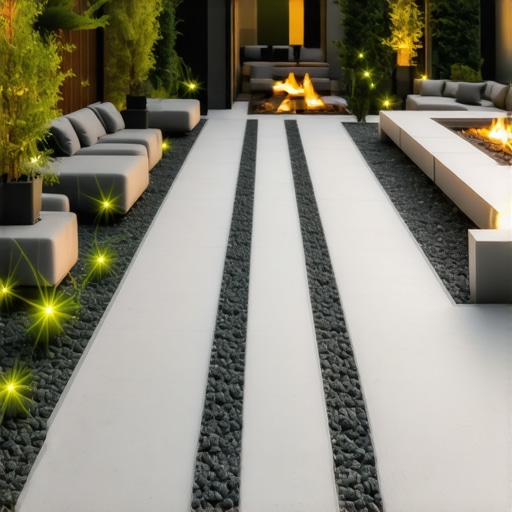
I vividly remember the day I stepped into my backyard, expecting a peaceful retreat, only to be met with a mismatched tangle of outdated pavers and overgrown weeds. It was then I realized how much a dull, uninspired outdoor area can dampen the joy of summer evenings or weekend gatherings. That wake-up call prompted me to explore what’s new in hardscaping, and let me tell you—2025 is promising an exciting makeover.
The Importance of Staying Ahead in Outdoor Design
Are Modern Outdoor Features Overhyped? Here’s Why You Should Care
Assess Your Space Before Picking Materials
Choose Elements that Enhance Function and Style
Plan and Execute Installation Carefully
Finish with Style and Function
Many homeowners believe that landscaping is all about planting colorful flowers or laying down a few pavers, but in my experience, these superficial fixes often overlook the intricate nuances that make a garden truly exceptional. A common myth is that more is always better—that adding numerous features or plants will automatically increase a yard’s beauty. However, this can lead to cluttered, chaotic spaces that lack harmony and purpose. Instead, focused simplicity paired with strategic hardscaping creates a cohesive garden design that stands the test of time. One sneaky trap many fall into is selecting trendy materials, like bold-colored concrete, without considering longevity or how well they complement existing elements. This oversight can result in expensive repairs or replacements down the line. Advanced landscapers know that understanding the subtle balance between softscape and hardscape is crucial for durability and aesthetic appeal. For example, integrating permeable surfaces is not just fashionable but essential for sustainable drainage management, particularly in areas prone to heavy rainfall. According to expert landscape architect Toby Buckland, paying attention to microclimates, soil conditions, and sun exposure allows for more resilient and personalized outdoor spaces (source). In fact, mastering these intricacies can differentiate a good garden from a truly impactful one. Have you ever fallen into this trap? Let me know in the comments.
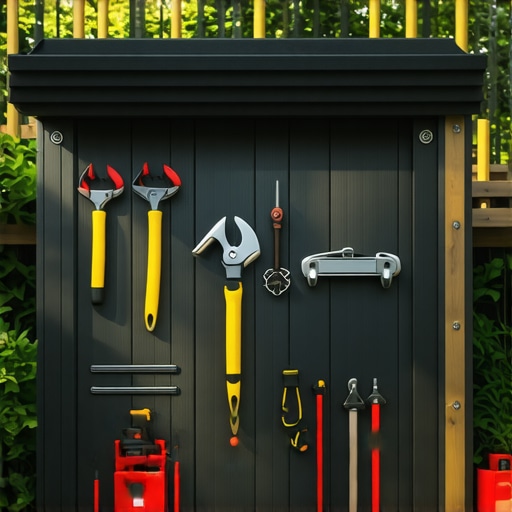
Maintaining a stunning outdoor space requires not just careful planning but also the right tools and routines to keep everything functioning flawlessly over time. My go-to equipment includes a high-quality cordless leaf blower, which I rely on for quick clearing of debris without disturbing the garden beds. I prefer models with variable speed settings and ergonomic design because they offer precision and reduce fatigue during extended use. Additionally, a durable garden hose with adjustable spray nozzles allows me to water efficiently, targeting roots directly while conserving water. For trimming and pruning, I swear by a pair of premium bypass pruners that deliver clean cuts, promoting healthy plant growth and preventing disease.
Beyond physical tools, I utilize landscape design software to plan seasonal changes and identify potential issues before they arise. This proactive approach saves me time and money, as I can schedule maintenance tasks ahead of bad weather or growth spurts. Software like iScape or SketchUp enables me to visualize changes and ensure that elements like drainage and plant placement work harmoniously—an essential step, as drainage problems can undermine even the most beautiful hardscapes (see effective hardscaping strategies here). Regularly inspecting and cleaning tools, applying protective lubricants, and sharpening blades are simple maintenance routines that extend their lifespan and efficiency.
Looking into the future, I predict that automation and smart technology will become integral to garden upkeep. Automated irrigation systems integrated with soil moisture sensors will optimize watering schedules, reducing waste and promoting healthier lawns. Robotic mowers—much like autonomous vacuum cleaners—are already gaining traction and improving, making regular mowing less of a chore. Embracing these innovations now positions homeowners to enjoy a lush, well-maintained landscape with minimal effort, leaving more time to relax and enjoy the beauty of their hard work.
How do I maintain my garden tools and equipment over time?
To keep your tools performing at their best, establish a routine of cleaning, sharpening, and lubricating after each season—this prevents rust and preserves cutting edges. Store power tools in climate-controlled environments to avoid moisture damage, and check cords and batteries regularly for safety and efficiency. Investing in quality tools upfront pays off, as durable equipment tends to require less frequent replacement and provides better results. Following these practices ensures your garden setup remains reliable, reducing downtime and costly repairs.
If you’re eager to streamline your maintenance routine, consider adopting a smart irrigation system or robotic mower—these devices are evolving rapidly and promise to revolutionize outdoor care. Dive into modern hardscaping ideas for 2025 for more on integrating tech into your landscape. Take action today by upgrading your pruning tools or installing a soil moisture sensor—small investments that yield significant long-term benefits in garden health and aesthetics.
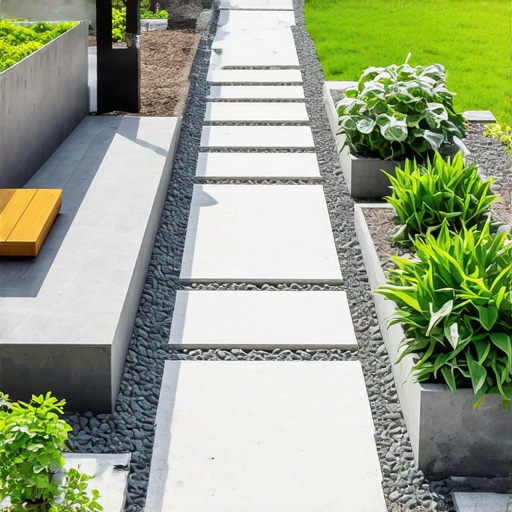
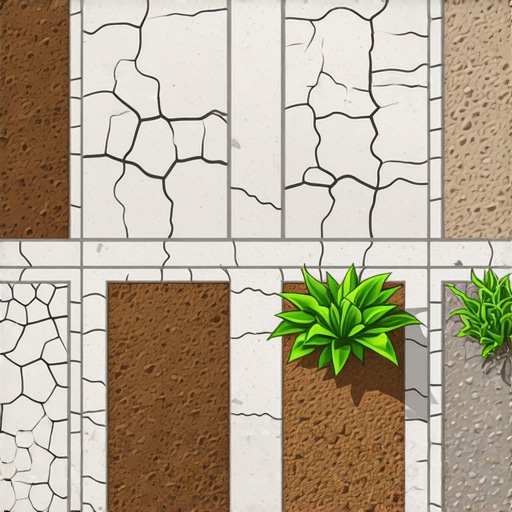
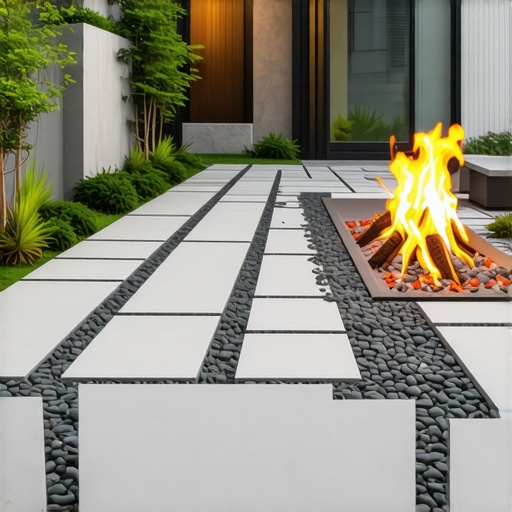
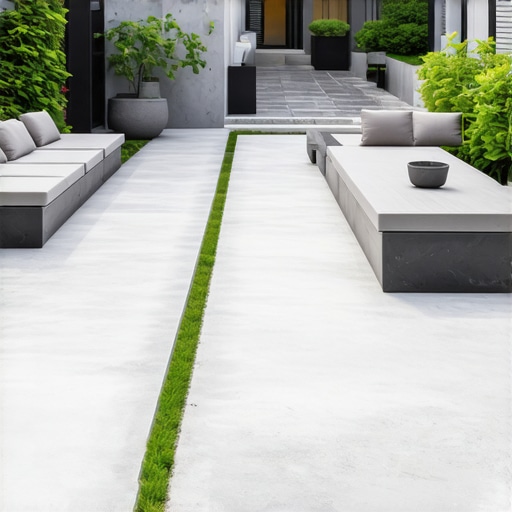
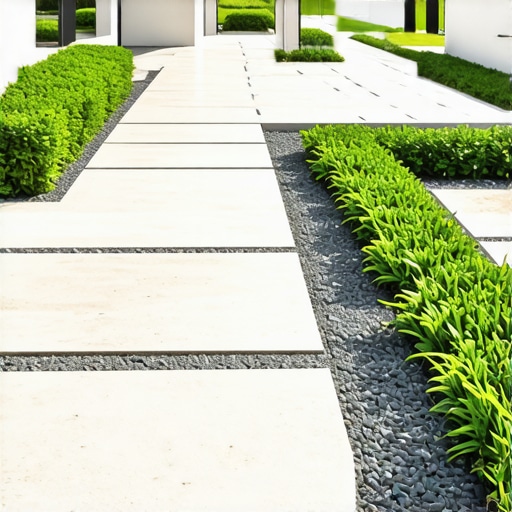
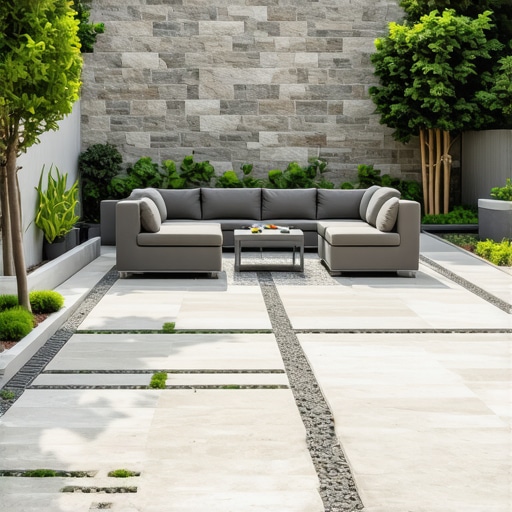
Reading through this post, I can’t agree more with the emphasis on proper planning and choosing durable, eco-friendly materials. Too often, homeowners get excited about trendy designs without considering how those choices will hold up over time, especially in our unpredictable climate here in Phoenix. For me, the key has been to focus on functionality first—like ensuring proper drainage—and then add aesthetic touches that blend well with the hardscape. I had a similar experience with a small stone patio that shifted after a heavy rain because I overlooked the base preparation. It’s a reminder that even small details can have lasting effects. I’m curious, does anyone have tips on balancing style and durability when selecting new outdoor materials? I’d love to hear ideas on incorporating more sustainable options without sacrificing visual appeal.