How to design a garden that attracts pollinators
Designing for Pollinators Starts with Engineering the Substrate
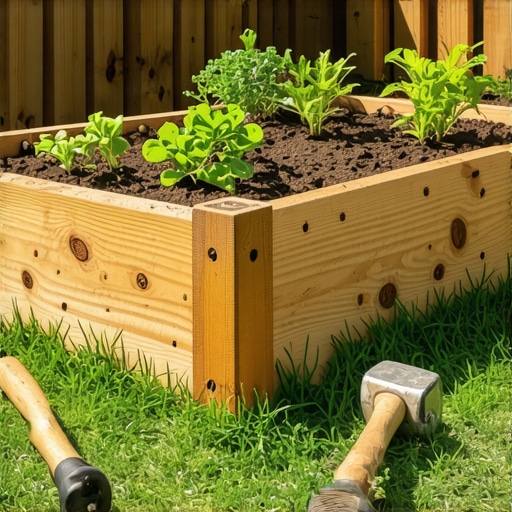
Designing a high-performance pollinator habitat is an exercise in biological engineering, not just aesthetic garden design. To build a system that supports a diverse range of native bees, butterflies, and moths, you must first address the foundational soil physics and site grading that dictate plant survival and nectar production levels.
I always drill into my new crew members: if you don’t fix the soil grading first, every plant you put in the ground is just expensive compost. I have seen too many homeowners spend thousands on ‘pollinator mixes’ only to watch them rot in heavy clay or starve in compacted subsoil. Last year, I was called to a site where a client had planted two acres of ‘wildflowers’ on a lot that had been scalped by a bulldozer. The soil was so compacted it had the PSI of a concrete sidewalk. Nothing grew because the roots couldn’t penetrate more than an inch. We had to bring in a subsoiler to break the hardpan at 18 inches before we could even talk about seed. If the soil can’t breathe, your pollinators won’t have anything to eat. Period.
“Native plants have evolved to thrive in specific soil structures; ignoring the relationship between soil porosity and root respiration is the primary cause of urban planting failure.” – Agricultural Extension Agronomy Manual
How do I choose native plants for my zip code?
Selecting the right native species involves cross-referencing your USDA Hardiness Zone with local ecoregion maps to identify plants that co-evolved with local insect populations. Successful landscaping for pollinators requires a focus on bloom succession, ensuring that at least three different species are in flower from early spring through late autumn to prevent ‘nectar gaps.’
| Plant Category | Scientific Name Examples | Primary Pollinator | Bloom Window |
|---|---|---|---|
| Early Season | Cercis canadensis, Salix spp. | Solitary Bees | March – May |
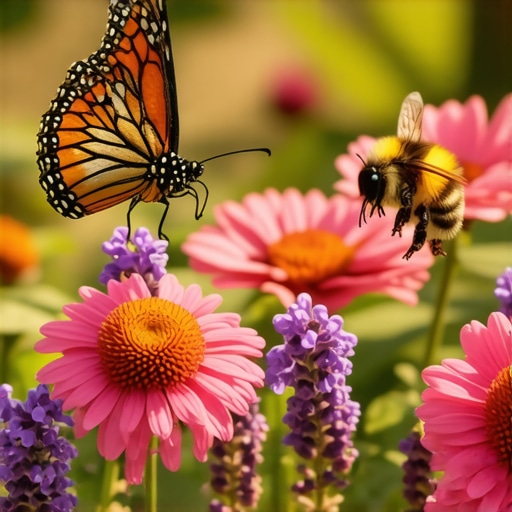
| Mid-Season | Asclepias syriaca, Monarda fistulosa | Monarchs, Bumblebees | June – August |
| Late Season | Symphyotrichum novae-angliae, Solidago | Migratory Butterflies | September – November |
The Chemical Reality of Nectar Production
Nectar is an energy-intensive product for a plant. If your soil pH is off—even by half a point—the plant may survive but will fail to produce the high-quality sugars required by foraging insects. Most pollinator gardens thrive in a pH range of 6.0 to 7.0. If you are dealing with heavy red clay or alkaline limestone soils, you must amend the soil profile with organic leaf mold or composted pine bark to reach the desired acidity. Do not use cheap ‘triple-mix’ from big-box stores; it is often sterile and lacks the mycorrhizal fungi necessary for native root systems. We aim for 5% organic matter by volume. Anything less is a desert. Anything more can lead to anaerobic conditions during heavy rain cycles.
Hardscaping for Habitat: More Than Just Pavers
While hardscaping is usually associated with patios and lawn care, it plays a critical role in pollinator survival through thermal mass and nesting sites. 70% of our native bees are ground-nesters. If you cover every square inch of your yard with heavy mulch or polymeric sand, you are effectively sealing their front doors. We integrate ‘nesting zones’—patches of bare, well-drained sandy loam—within our garden designs. We also use large, flat fieldstones to create thermal heat sinks. Butterflies are ectothermic; they need those stones to absorb solar radiation so they can reach the internal temperatures required for flight. It is simple physics.
Which flowers attract the most bees and butterflies?
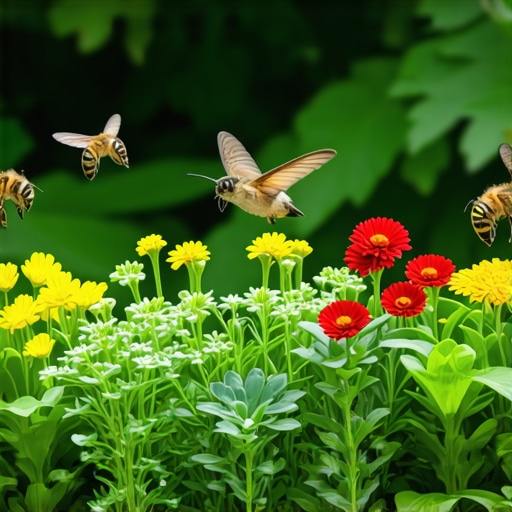
The most effective flowers are those with single-petal structures, as highly hybridized ‘double’ flowers often hide nectar rewards or produce no pollen at all. Focus on keystone species like Quercus (Oaks) for larval hosting and Solidago (Goldenrod) for high-volume nectar delivery. Avoid the ‘mow-and-blow’ mentality that demands every leaf be removed; dead stems and leaf litter are where many pollinators spend the winter. If you clean it all up, you are throwing next year’s butterflies in the trash. Use drip irrigation set to deliver water directly to the root zone at a rate of 0.5 to 1.0 GPH (gallons per hour) to avoid wetting the foliage, which can lead to powdery mildew in dense plantings.
“The removal of dead perennial stems before spring emergence eliminates the overwintering habitat for up to 60% of stem-nesting bee species.” – Xerces Society for Invertebrate Conservation
The Pollinator Installation Checklist
- Site Analysis: Verify drainage by digging a 12-inch percolation pit. It should drain in under 4 hours.
- Utility Check: Always call 811 before excavating for deep-root shrubs or hardscape footings.
- Species Density: Plant in ‘drifts’ of at least 5-7 plants of the same species to increase foraging efficiency.
- Mulch Protocol: Use 1-2 inches of arborist wood chips. Avoid ‘volcano mulching’ around woody stems.
- Watering: Deep, infrequent cycles (1 inch per week) to force root geotropism.
Stop chasing the ‘vibrant’ look of plastic nursery tags. Real landscaping is about building a functional ecosystem. It takes two full seasons for a native garden to ‘sleep and creep’ before it ‘leaps’ in the third year. Be patient. Don’t spray. Let the bugs do the work. It works.
![Build a $200 Tiered Garden for 2026 Slopes [DIY]](https://lawnmajesty.com/wp-content/uploads/2026/06/Build-a-200-Tiered-Garden-for-2026-Slopes-DIY.jpeg)