How to Get Rid of Moss in Your Grass Without Chemicals
How to Get Rid of Moss in Your Grass Without Chemicals: A Soil-First Remediation Guide
I always drill into my new crew members: if you don’t fix the soil grading and the underlying biology first, every plant you put in the ground is just expensive compost. I’ve seen homeowners spend thousands on sod only to have it replaced by a thick, spongy carpet of bryophytes within two seasons. Moss isn’t the enemy; it’s a symptom. It is the janitor of the plant world, cleaning up where your grass has failed to survive. If you want a functional lawn without dumping synthetic iron sulfates or harsh chemicals, you have to stop looking at the green stuff and start looking at the dirt. You are managing an ecosystem, not a carpet.
The Forensic Autopsy: Why Your Grass Is Failing and Moss Is Winning
To get rid of moss without chemicals, you must eliminate the environmental stressors—compaction, acidity, and poor drainage—that favor bryophytes over turfgrass. Success requires core aeration, soil pH adjustment via calcitic lime, and mechanical dethatching to restore the oxygen-rich environment grass requires to thrive.
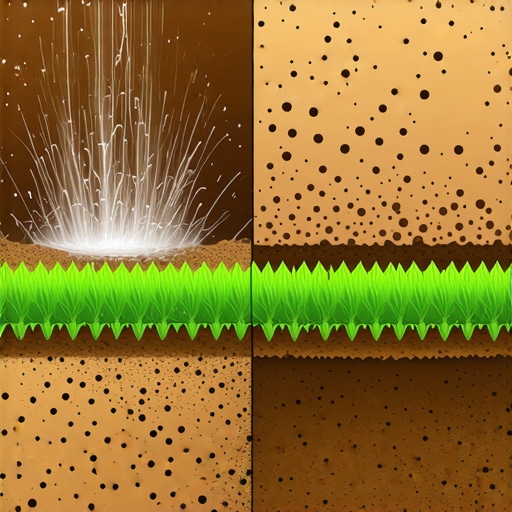
Moss does not have a true root structure; it uses rhizoids to anchor itself to the surface. It thrives in anaerobic conditions where the soil bulk density is too high for grass roots to penetrate. When I walk onto a failing property, the first thing I do is check the compaction levels. If I can’t push a screwdriver six inches into the ground with ease, your grass is suffocating. Grass needs macropores in the soil to exchange gases. When those pores collapse due to foot traffic or heavy clay, oxygen levels drop, and moss—which can photosynthesize in low-light, low-oxygen environments—moves in. It’s a biological takeover. You don’t need a herbicide; you need a 1/2-inch hollow-tine aerator. Don’t skip the core extraction. Solid tine spikes just push the compaction deeper.
“Moss does not kill grass; it simply fills the void where grass has failed to grow due to unfavorable site conditions.” – Penn State Center for Turfgrass Science
Mechanical Remediation: The Hardscaping of Soil Structure
Mechanical remediation involves using power raking and core aeration to physically remove moss biomass and alter the soil architecture to favor Poa pratensis or Festuca arundinacea. This process forces gas exchange and improves hydraulic conductivity within the root zone.
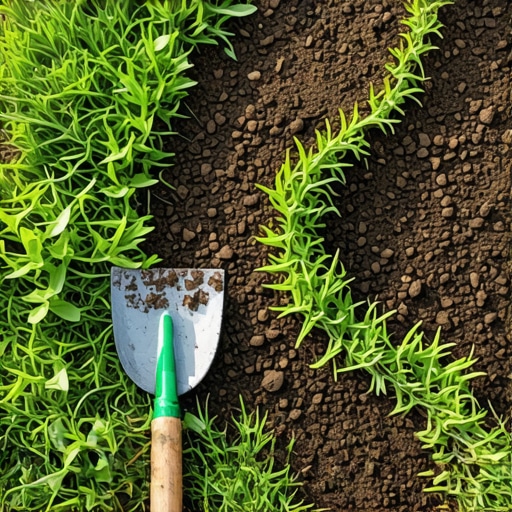
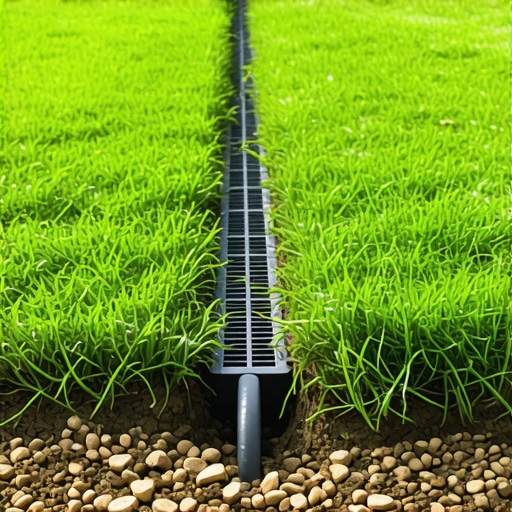
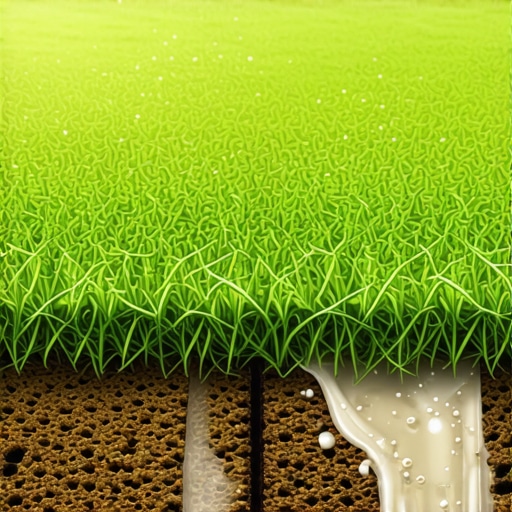
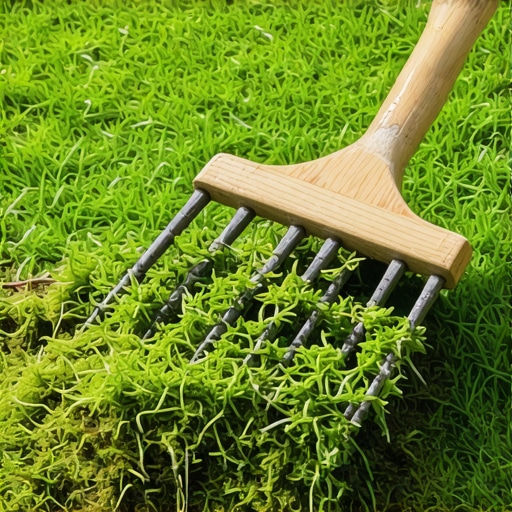
The first step is a vertical mow. Set the blades to just graze the soil surface. This rips the moss out by its rhizoids. You’ll be shocked at the volume of material. I’ve seen a 1,000-square-foot patch yield ten bags of moss. Once the soil is exposed, you must address the drainage. In my 20 years, I’ve found that moss almost always follows water. If you have standing water, your soil grading is the culprit. You need a 1% minimum slope away from the house. If the yard is a bowl, no amount of raking will help. It will rot. You might need to install a French drain or a dry well to move that hydrostatic pressure away from the turf area. We use 57-stone (clean crushed granite) for our drainage trenches because it doesn’t settle like pea gravel.
Why is my grass turning into moss?
Your grass is turning into moss because the microclimate has become too acidic, too shaded, or too wet for culm development. When soil pH drops below 5.5, essential nutrients like nitrogen and phosphorus become chemically locked, making them unavailable to grass while moss thrives on the residual moisture.
| Factor | Moss Preference | Turfgrass Preference |
|---|---|---|
| Soil pH | 4.0 – 5.5 (Highly Acidic) | 6.2 – 7.0 (Neutral) |
| Compaction | High (Anaerobic) | Low (Aerobic) |
| Drainage | Surface Saturation | Rapid Percolation |
| Sunlight | Dappled or Deep Shade | 4-8 Hours Direct Sun |
Soil Chemistry: Adjusting pH Without Synthetic Salts
Adjusting soil chemistry without chemicals requires the application of pelletized calcitic lime or dolomitic limestone to raise the Cation Exchange Capacity (CEC) and neutralize soil acidity. This process unlocks micronutrients and encourages microbial activity that breaks down thatch naturally.
Most people think