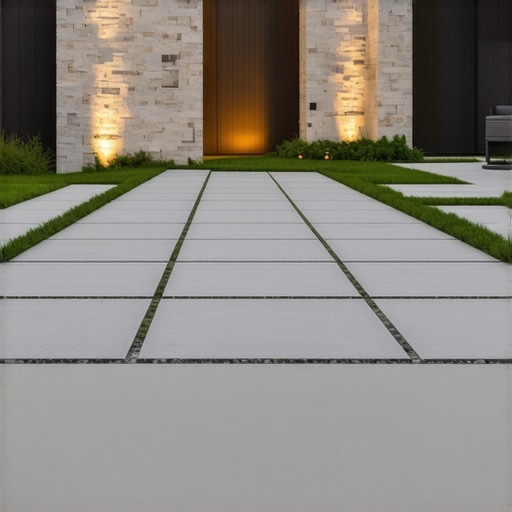
It was a sunny Saturday afternoon when I looked out over my cluttered, uninspired backyard and realized something had to give forever. Despite countless hours spent planting, watering, and pruning, my outdoor space felt more dull than inviting. I had been stuck in a rut—thinking that a simple lawn and a few overgrown flower beds were enough. But then I stumbled upon the emerging trends for 2025, and it was like a lightbulb went off. My outdoor space could be more than just a patch of grass; it could be a modern extension of my home, a genuine retreat.
Why Hardscaping Shapes Our Outdoor Future
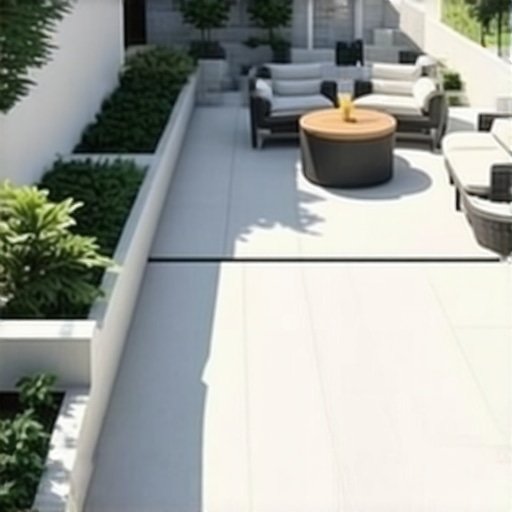
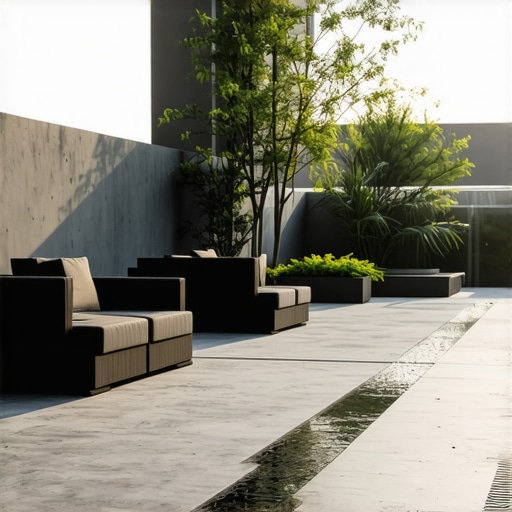
In my journey to redesign my garden, I quickly discovered that hardscaping isn’t just about adding a patio or walkway—it’s about creating a sustainable, stylish foundation that elevates the entire space. Modern ideas for hardscaping in 2025 focus on seamless integration, eco-friendly materials, and innovative designs that make outdoor living functional and beautiful. Incorporating elements like sleek stone pathways, raised patios, and contemporary fire pits transformed my yard from a neglected corner into a welcoming outdoor living room.
The shift towards more sophisticated hardscaping is driven by a desire for low-maintenance, durable solutions. According to a recent industry report, homes with well-designed hardscaping features can see property value increases of up to 15%. That’s huge. It’s not just about aesthetics; it’s about investment—both emotional and financial.
If you’re like I was—feeling overwhelmed by the options and skeptical that such transformations are truly doable—you’re not alone. But trust me, the first step is understanding the latest trends and how they can work for your space. I wish I had known earlier about some of the effective strategies that serve as a blueprint for success. For a comprehensive overview, I recommend taking a look at the detailed strategies outlined in [Effective Hardscaping Strategies for a Contemporary Outdoor Makeover 2025](https://lawnmajesty.com/effective-hardscaping-strategies-for-a-contemporary-outdoor-makeover-2025).
Now, let’s explore some creative ideas that will give your outdoor area that modern edge. You might be surprised how a few clever updates can change everything.
Kickstart Your Hardscaping Project with Clear Planning
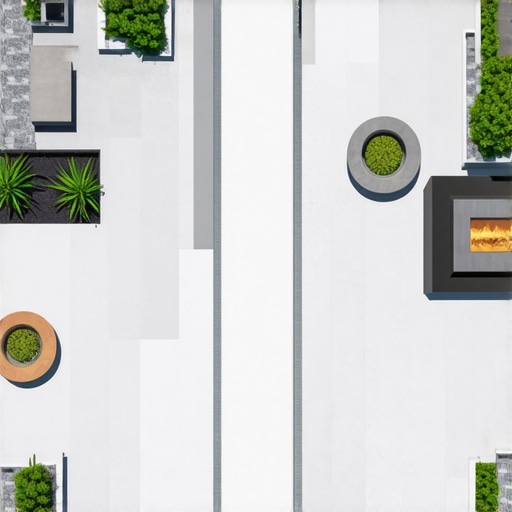
Begin by assessing your outdoor space like a blueprint, noting existing features and areas needing improvement. Sketch a rough layout, considering pathways, patios, and focal points. For instance, last spring, I drew my yard on graph paper, marking existing trees and sun exposure to optimize placement for new features.
Select the Right Materials for Lasting Impact
Choose eco-friendly, durable materials such as permeable concrete, reclaimed stone, or composite decking that align with modern trends. I opted for sleek porcelain tiles for my patio, which resisted weather and fading, providing a sophisticated look without constant upkeep. Think of materials as the bones of your design—strong, resilient, and stylish.
Design Pathways and Surfaces with Visual Flow
Create smooth, natural connections between zones using winding pathways or geometric layouts for a contemporary feel. During my project, I laid out a meandering gravel path, enhancing the sense of journey while directing foot traffic efficiently. Use contrasting textures and colors to define different areas and add visual interest.
Incorporate Multi-Functional Elements
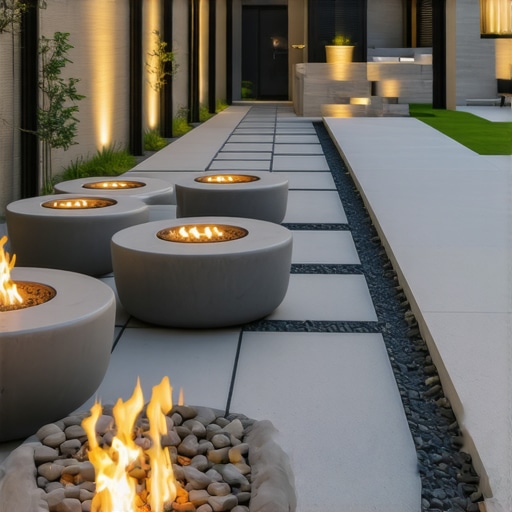
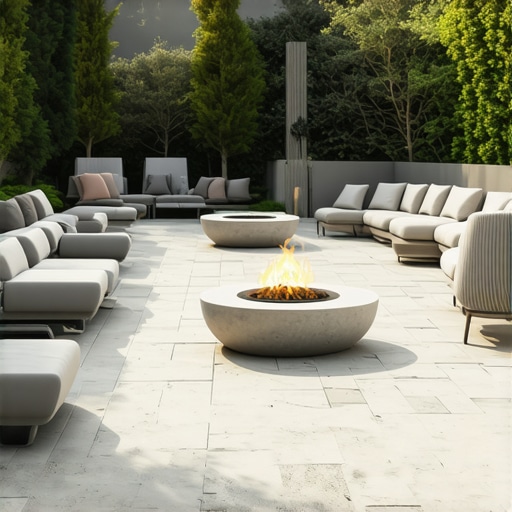
Integrate features like fire pits, outdoor kitchens, or seating walls that serve multiple purposes. I built a rectangular fire pit with a surrounding seating area, offering both ambiance and functionality for gatherings. These elements should blend form and function seamlessly, elevating your space’s utility and style.
Plan for Sustainable and Low-Maintenance Practices
Opt for drought-resistant plants, native foliage, and automated irrigation systems to reduce upkeep. I planted succulents and installed drip irrigation, which cut watering time and kept my garden vibrant. Consider rain gardens or permeable pavements to manage runoff effectively, aligning with eco-conscious design principles.
Iterate and Refine with Expert Insights
Use online resources like effective hardscaping strategies to troubleshoot and refine your design. During my build, I reviewed several articles and consulted local suppliers, which helped me avoid costly mistakes and incorporate trending elements like modern fire features or minimalist planters.
Implement Lighting to Highlight Features
Strategic lighting enhances safety and ambiance. I installed LED uplights beneath my stone features and string lights over the seating area, creating a warm, inviting glow. Use solar-powered options where possible to keep energy consumption low, and consider layering lights for both functional and decorative purposes.
Prepare for Installation with Precise Execution
Mark your layout meticulously, then proceed step-by-step: excavate, lay base materials, set pavers or stones, and finish with sealing or sealing alternatives. I remembered my neighbor’s mishap—forgetting to compact the base led to a sinking patio—so I rented equipment and followed best practices for a flat, durable surface.
Maintain and Evolve Your Space Over Time
Regularly clean, reseal, and update plantings to keep the space fresh. After completing my project, I scheduled seasonal inspections, adjusting lighting and replacing worn elements. Treat your outdoor area as a living extension of your home—continuous care ensures beauty and functionality for years to come.
Many homeowners believe that hardscaping is a straightforward process, but in reality, there’s a hidden depth that can trip up even the most seasoned DIY enthusiasts. A prevalent myth is that choosing trendy materials automatically guarantees a stunning landscape. However, selecting the right materials requires an understanding of your local climate, soil conditions, and how different textures will age over time. For example, using porous concrete in rainy regions without proper drainage can lead to costly repairs down the line. This is why consulting expert resources like [effective-hardscaping-strategies](https://lawnmajesty.com/effective-hardscaping-strategies-for-a-contemporary-outdoor-makeover-2025) can save you time and money.
Why do so many fall for quick fixes instead of thoughtful planning?
Often, it’s the misconception that hardscaping is solely about aesthetics—creating a ‘wow’ factor rather than focusing on sustainability and maintenance. In my experience, rushing into a design without understanding the nuances of your space leads to frustration and costly mistakes, such as uneven surfaces or incompatible features. Plus, neglecting eco-friendly practices, like permeable pavements or native plants, can undermine your project’s sustainability goals. According to landscape architect Emily Hurley, overlooking these details is a common mistake that compromises long-term success.
Another trap is underestimating the importance of layering lighting and integrating multi-functional elements. For instance, adding an outdoor kitchen without considering access routes or power sources can limit usability. Incorporating elements like lighting will not only improve safety but also showcase your hard work after sunset, creating an inviting atmosphere. Explore [hardscaping ideas](https://lawnmajesty.com/hardscaping-ideas-to-transform-outdoor-spaces-in-2025) to discover how careful planning leads to harmonious outdoor spaces.
Garden design obsessives often obsess over plants but neglect the foundation that frames their beauty. The persistence of mistakes such as overly complex layouts that confuse traffic flow or fail to highlight key features can diminish overall impact. Advanced gardeners and designers focus on creating pathways and focal points that guide the eye naturally, ensuring every element contributes to the overall harmony. Want to see a perfect example? Check out [modern-garden-design](https://lawnmajesty.com/modern-garden-design-landscaping-ideas-for-2025-success) for inspiration.
Remember, the key to successful hardscaping isn’t just in picking trendy features but understanding the subtle nuances that make a space truly stand out. Whether you’re planning a simple patio or a complex landscape transformation, consider these expert insights and avoid common pitfalls. Do you think you’ve ever fallen into any of these traps? Let me know in the comments and share your experiences!**}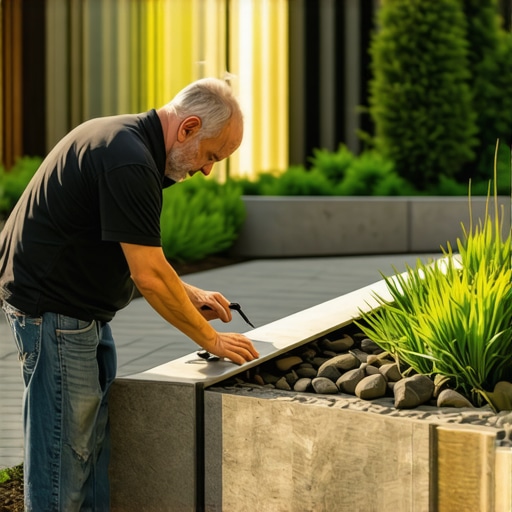 }**Maintaining your hardscaping and lawn care systems is essential for long-term beauty and functionality. One of the most powerful tools I rely on is a high-quality pressure washer. Specifically, I prefer models with adjustable PSI and multiple nozzles, such as the Simpson Cleaning MH3128, which allows me to gently clean delicate surfaces without damage while efficiently removing stubborn dirt or algae from pathways and patios. Regular power washing extends the lifespan of materials like stone and concrete, ensuring your investments stay looking fresh.
For lawn care, I swear by a smart sprinkler system like Rachio 3.0. It connects to weather forecasts and adjusts watering schedules automatically, saving time and conserving water—a critical consideration in the evolving landscape of sustainable gardening. Automating irrigation not only keeps your turf lush but also prevents overwatering that can weaken plant health over time.
Using reliable soil moisture sensors, such as the Vegetronix VH400, can guide your watering routines more precisely. These sensors provide real-time data on soil conditions, helping you avoid both dryness and waterlogging. Coupled with landscape design software like iScape, I plan and modify my garden layouts effortlessly, ensuring that every plant and hardscape element receives optimal care and placement.
How do I maintain hardscaping and lawn systems over time? The key lies in consistent inspection and upgrades. For example, annually checking for weed intrusion or cracking in paved surfaces can prevent deterioration. Routinely replacing worn-out components of your irrigation system, such as valves or emitters, keeps everything functioning smoothly. Investing in durable, weather-resistant materials for fixtures also reduces maintenance frequency.
Looking ahead, the trend points toward greater integration of smart technology and eco-friendly solutions. As noted by landscape expert Davey Tree, “The future of outdoor maintenance will be driven by automation and sustainability measures.” I recommend trying out a sensor-based watering system, which not only simplifies maintenance but also aligns with environmental goals.
Finally, consider scheduling seasonal clean-ups—removing debris, pruning overgrowth, and applying protective sealants to hardscape surfaces—to preserve their appearance and safety. Regular upkeep ensures your outdoor spaces remain inviting and functional year-round. For detailed strategies on outdoor care, visit [effective-hardscaping-strategies](https://lawnmajesty.com/effective-hardscaping-strategies-for-a-contemporary-outdoor-makeover-2025). Implementing even one of these advanced tools or routines can significantly elevate your garden’s sustainability and aesthetics—so start today and enjoy a vibrant space for years to come!
The Hardest Lesson I Learned about hardscaping, lawn care, garden design, and landscaping
Early in my outdoor makeover, I believed that choosing trendy materials and flashy features guaranteed success. It wasn’t until I faced the reality of uneven surfaces and maintenance headaches that I realized building a resilient foundation is everything. Prioritizing durability and understanding your local climate will save you time and money in the long run.
3 Myths About hardscaping, lawn care, garden design, and landscaping That Held Me Back
One common misconception was that hardscaping is purely aesthetic; I overlooked its role in sustainability. Another myth was that DIY always surpasses professional advice—until mistakes like improper drainage cost me. Finally, I thought native plants were less important than exotic varieties, but neglecting the right flora led to wasted effort.
What Experts Won’t Tell You About hardscaping, lawn care, garden design, and landscaping
Most pros agree that consistent maintenance outperforms quick fixes. I learned that layering lighting enhances both safety and ambiance, but many overlook this detail. Additionally, integrating smart irrigation and soil sensors can revolutionize care routines—something I wish I had adopted earlier. These insights emphasize that strategic planning and ongoing care deliver lasting beauty and function.
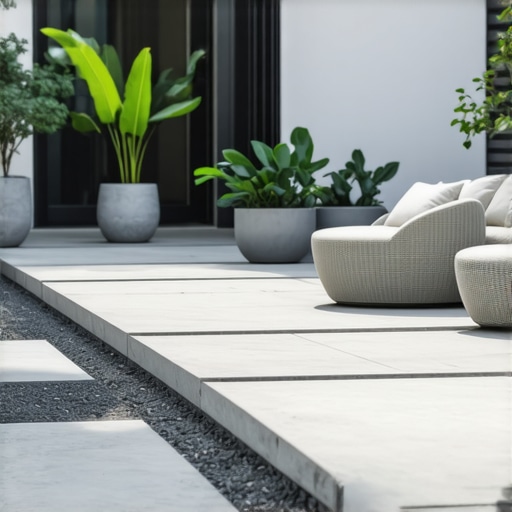
Reading through this post really resonated with my own experience transforming our backyard. I completely agree that hardscaping isn’t just about aesthetics but creating a durable, low-maintenance foundation that can truly elevate outdoor living. I particularly appreciated the emphasis on eco-friendly materials like permeable concrete and native plants, as I’ve found those to be game-changers in simplifying upkeep while supporting sustainability. One lesson I learned early on was the importance of detailed planning—sketching out the layout and considering how each element flows into the next can make or break the usability of your space. I’ve often wondered, how do others balance the desire for modern, sleek designs with regional climate constraints? It’s a challenge I face regularly, especially when selecting materials that withstand weather yet look contemporary. Would love to hear some strategies from fellow homeowners on navigating those tough choices.