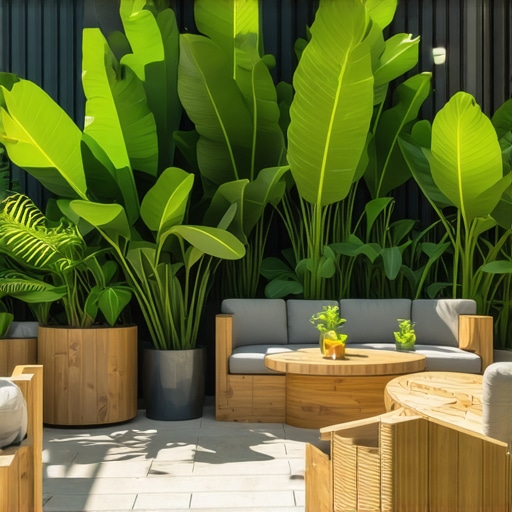
It was a hot summer afternoon when I finally looked out at my outdated, cracked patio and realized I had a choice: keep patching it up—or start from scratch with something smarter, sustainable, and stunning. Like many homeowners, I’d been caught in the cycle of spending more on repairs than I’d like to admit, feeling the frustration of seeing my outdoor space lose its charm year after year. That lightbulb moment led me down a path of discovery, and what I found surprised me—there are incredible, affordable ways to craft a high-end patio without draining your wallet or harming the environment.
Discovering Low-Cost Recycled Solutions for a High-End Look
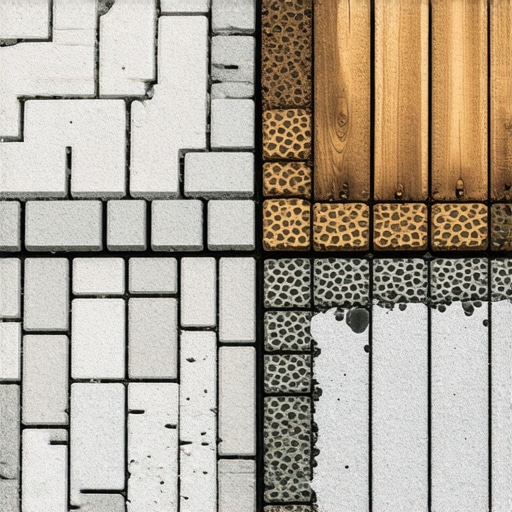
In today’s world, where sustainability and aesthetics go hand-in-hand, turning to recycled materials makes perfect sense. Not only do they help preserve our planet, but they also allow us to achieve luxurious finishes at a fraction of the typical cost. My journey involved digging into various options, experimenting with textures, and combining reclaimed elements to create an inviting outdoor haven. If you’re like me, eager to upgrade your space but hesitant due to budget constraints, keep reading. We’re about to explore five innovative, low-cost recycled materials that can elevate your patio in 2026.
Why Your Hardscaping Should Embrace Recycling
Choosing recycled materials isn’t just an eco-conscious decision; it’s a smart one for creating captivating outdoor spaces. Modern trends show that using reclaimed components can add character, uniqueness, and a chic vibe that screams luxury. Plus, with rising material prices and supply chain issues, recycling offers a sustainable, budget-friendly alternative. According to a report by the Environmental Protection Agency, the construction sector accounts for nearly 40% of worldwide carbon emissions, making sustainable choices more urgent than ever. Incorporating recycled hardscaping elements can significantly lower your carbon footprint while giving your patio a distinctive look.
But I have to admit—getting started wasn’t perfect. Early on, I made the mistake of assuming that recycled materials wouldn’t match the quality or aesthetic I wanted. That’s a common misconception, but with a little research and effort, I discovered that many reclaimed options actually surpassed my expectations. If you’ve ever hesitated because you worry about durability or appearance, I promise—you can create a stunning space without compromise.
Now, if this challenge resonates with you, ask yourself: have you ever felt overwhelmed by the costs and potential pitfalls of high-end outdoor transformations? You’re not alone. The good news is, with just a bit of creativity and knowledge, you can design a luxurious patio that’s both environmentally friendly and budget-conscious. Ready to see how? Let’s dive into the first of five innovative recycled materials you should consider for your 2026 outdoor makeover.
Start with a Clear Design Plan
Lay out your vision by sketching your patio, considering size, shape, and focal points, much like designing a menu before cooking. Use online inspiration from hardscaping trend reports to guide your choices. When I did this for my backyard, I drew a rough outline and identified areas suited for reclaimed stones and recycled pavers, making adjustments as I went along.
Select and Source Recycled Materials
Identify reclaimed materials such as salvaged bricks, recycled concrete, or repurposed wood. Think of this process like selecting ingredients for a farm-to-table meal—quality matters. Visit local salvage yards, classified ads, or online marketplaces. I found a stack of vintage bricks on Craigslist that perfectly matched my aesthetic, saving my project hundreds of dollars compared to new materials.
Prepare the Site Properly
Clear the area of debris, roots, and loose soil, leveling it as you would prepare a foundation for a building. Use a landscape rake or shovel for uneven spots. Compact the soil with a tamper, ensuring stability. I learned this the hard way when my initial uneven base caused shifting of my recycled pavers. Proper preparation ensures longevity and stability—think of it as setting a solid foundation for a house.
Lay the Recycled Materials Carefully
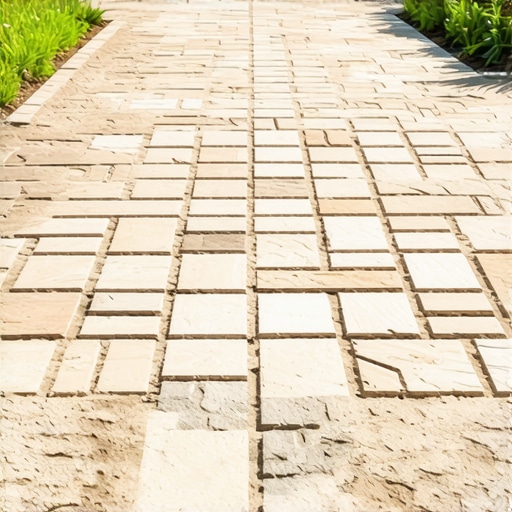
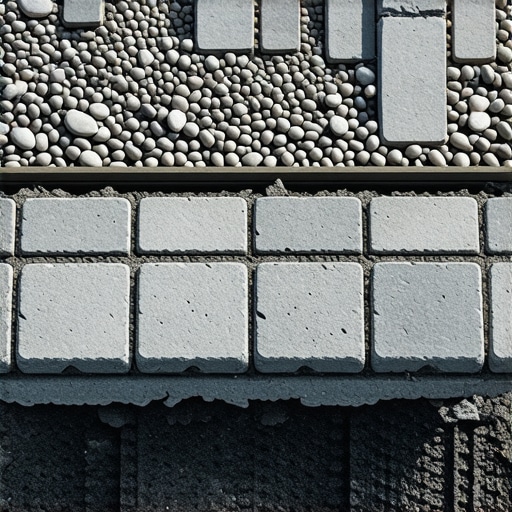
Start placing your reclaimed stones or pavers from a corner, fitting them snugly like puzzle pieces. Use a rubber mallet to tap and level each piece, making adjustments for evenness. Incorporate sand or gravel between the joints to lock everything in place. In my project, I used recycled crushed concrete as a base, which provided excellent drainage and a sturdy support for my pavers, demonstrating the importance of proper bedding materials.
Finish with Edging and Details
Define your patio boundaries with reclaimed bricks or metal edging, which prevent shifting. Add a few finishing touches like repurposed planters or vintage lanterns to enhance the look. I experimented by installing a reclaimed wood border, which added warmth and character, transforming the space into a cozy yet high-end oasis.
Maintain and Enhance Over Time
Regularly sweep debris, reseal surfaces if needed, and monitor for shifting or cracks. Consider planting native, tough perennials like clover or native grasses to reduce water use, which ties back into sustainable hardscaping. I found that this simple maintenance kept my recycled patio looking pristine and inviting, extending its lifespan and beauty.
Many homeowners operate under misconceptions about lawn care, hardscaping, and garden design, leading to costly mistakes and subpar results. One common myth is that more aggressive fertilizers always yield a greener lawn; however, over-application can cause root damage and environmental harm, as highlighted in a study by the University of California. Instead, understanding nuanced soil health management ensures sustainable lushness. Another trap is believing that instant fixes, like quick-set concrete for patios, guarantee longevity; in reality, proper preparation and understanding material properties are key to durability. For instance, poor drainage solutions often go unnoticed until significant issues arise, such as erosion or weed intrusion—this ties back to outdoor spaces needing thoughtful planning rather than quick shortcuts. When designing landscapes, many focus solely on aesthetics, neglecting plant compatibility with local climate and soil conditions, which can lead to early plant stress and replacements. Advanced practitioners realize that smart drainage, native plant selection, and sustainable hardscaping improve both function and beauty. Curious about how these nuanced mistakes can be avoided? For example, knowing that permeable pavers can prevent common drainage problems saves time and money—check out the latest hardscaping innovations to get ahead. Making these common errors without awareness can jeopardize your project’s success, but with strategic insight, you can craft resilient, stunning outdoor spaces. Want to dive deeper? Explore [modern hardscaping ideas](https://lawnmajesty.com/hardscaping-modern-ideas-to-elevate-your-outdoor-space-in-2025) and elevate your expertise. Have you ever fallen into this trap? Let me know in the comments.Maintaining your outdoor investment requires the right equipment, consistent care, and strategic thinking. Personally, I rely on a few key tools that streamline my landscaping routine and ensure lasting results. One standout is the **Stihl MS 271** chainsaw, which I use for trimming larger branches and managing mature trees. Its lightweight design and powerful engine make pruning less labor-intensive, saving time and reducing fatigue. For delicate garden details, I gravitate toward the **Felco F-2 Pruners**—these trusted hand tools deliver precision cuts, promoting healthy growth and preventing disease by making clean, flush cuts.
Seasonal cleanup is simplified with a **Toro eXmark Leaf Blower**, which efficiently clears debris without exhausting me. Its variable speed controls help me avoid disturbing my newly installed garden borders or delicate landscaping elements. Additionally, I invest in a **Morakniv Garden Knife** for small-scale planting and soil aeration; its ergonomic handle and sharp blade give me control for precise work.
Beyond manual tools, I leverage software like **iScape** to visualize landscape designs before implementation. This intuitive app allows me to experiment with layout options, plant choices, and hardscape elements, reducing costly mistakes and ensuring my vision aligns with reality. Embracing digital planning reflects a broader trend where technology becomes indispensable in sustainable, thoughtful garden design.
To keep my equipment in top shape, I perform regular maintenance: sharpening blades, replacing worn parts, and cleaning filters. Applying a few drops of **WD-40** to equipment moving parts prevents rust and ensures smooth operation. Remember, well-maintained tools last longer, deliver better results, and ultimately save cash over time.
Looking ahead, I believe that smart, eco-friendly equipment—such as battery-powered tools and smart irrigation controllers—will dominate landscaping in the coming years. These innovations reduce energy use, simplify maintenance, and optimize watering schedules, aligning with sustainable principles and reducing your long-term costs.
**How do I maintain my tools and landscaping over time?** Start with a scheduled checkup—sharpen blades after each season, inspect for damage, and store tools in a dry, organized space. Regularly updating your equipment and practicing proper care extends their lifespan. For example, sharpening your pruners with a fine grit stone ensures clean cuts, which supports healthy plant growth and prevents disease transmission.
Connecting the dots between quality tools and diligent maintenance creates a resilient landscape that endures seasonal changes and heavy usage. I highly recommend investing in a dependable chainsaw and pruning tools—if you haven’t already, give the Felco F-2 a try for its unmatched precision. For more advanced equipment insights, explore [innovative hardscaping ideas](https://lawnmajesty.com/modern-hardscaping-ideas-to-elevate-your-outdoor-space-in-2025). Proper maintenance is less about reactive fixes and more about proactive care—make it a routine, and your outdoor spaces will flourish for years to come.
Embarking on a journey to elevate your outdoor space reveals valuable lessons that many overlook. The most profound insight I gained is that patience and informed choices surpass quick fixes. Rushing into hardscaping projects without thorough planning often leads to costly mistakes and missed opportunities for true beauty. For example, trusting recycled materials without verifying their durability can result in future frustrations, but my revelation was evaluating reclaimed elements for longevity before installation. Another lesson was understanding that sustainable hardscaping isn’t just eco-friendly—it’s an investment in your home’s character and resilience, which I only truly appreciated when witnessing my patio’s transformation over time. Lastly, I realized that embracing innovative ideas, even if they challenge conventional wisdom, opens doors to unique designs that set your outdoor space apart in 2026 and beyond.
![Why Your 2026 Patio Foundation Is Cracking [and the Fix]](https://lawnmajesty.com/wp-content/uploads/2026/01/Why-Your-2026-Patio-Foundation-Is-Cracking-and-the-Fix.jpeg)
![Build a $600 Paver Walkway in 48 Hours [2026 DIY]](https://lawnmajesty.com/wp-content/uploads/2026/04/Build-a-600-Paver-Walkway-in-48-Hours-2026-DIY-1.jpeg)