I vividly remember the day I stepped out into my backyard after a heavy rain, only to be greeted by a miniature lake where my lawn used to be. It was frustrating, disheartening, and a stark reminder that water wasn’t just a nuisance—it was damaging my property. That lightbulb moment made me realize how critical proper drainage is, especially as climate patterns shift. Have you ever experienced that sinking feeling when your yard turns into a puddle paradise after storms? You’re not alone. Many homeowners are learning the hard way that inadequate drainage can lead to foundational issues, plant health problems, and overall backyard destruction.
Why Backyard Flooding is a Growing Concern and How Drainage Solutions Bring Relief
In recent years, extreme weather events have become more common, and with them, backyard floods are escalating. According to the National Weather Service, heavy storms are now responsible for increased property damage, costing homeowners thousands in repairs. But here’s the good news: effective drainage doesn’t require a full-scale renovation; sometimes, just a few smart adjustments can make a huge difference. From experience, one mistake I made early on was ignoring the natural slope of my yard, which only compounded the flooding problem. Learning from that, I’ve researched tried-and-true [drainage techniques](https://lawnmajesty.com/effective-hardscaping-strategies-for-a-contemporary-outdoor-makeover-2025) that stand the test of time and weather.
What If the Solutions Sound Too Good to Be True?
It’s natural to be skeptical about whether these drainage fixes truly work or are just gimmicks. I used to think a few rocks and a trench would do the trick, but I quickly learned that proper implementation and understanding of my yard’s unique challenges are key. Early on, I underestimated the importance of choosing the right materials—using cheap gravel for a french drain, for instance, led to more headaches. Trust me, investing in quality components and correctly installing them pays off in the long run. If you’re tired of fighting floods every spring, read on. I’ll guide you through four proven drainage solutions that can transform your backyard into a flood-free zone.
Assess Your Yard’s Natural Flow
Begin by observing how water naturally moves across your yard during heavy rains. Find the low points where pooling occurs and note the slope of your terrain. I once spent a weekend placing a garden hose along different areas, watching the water collect and flow, which revealed that my backyard sloped away from the house but had a depression where water pooled. This simple test set the stage for targeted drainage improvements.
Regrading to Redirect Water
Adjust your yard’s slope to direct water away from foundation and walkways. Use a tool like a lawn rake or a shovel to reshape the soil, creating a gentle slope of at least 2% (or 2 inches per 10 feet). During my project, I reshaped the soil near the house’s foundation, which significantly reduced water accumulation in that area. Ensure your slope directs water toward a designated drainage point such as a storm drain or dry well.
Install French Drains for Long-Term Relief
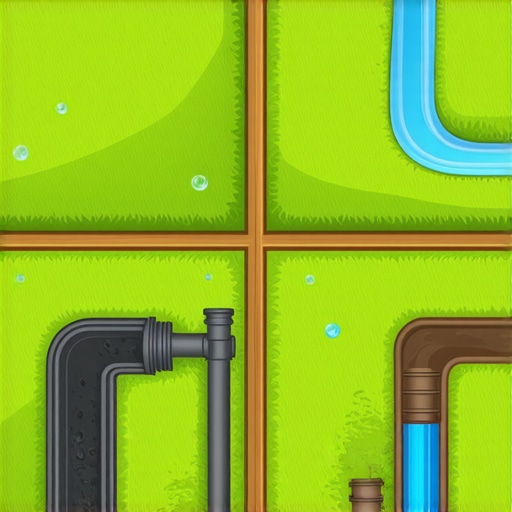
French drains are perforated pipes wrapped in gravel that divert water away from problem zones. Dig a trench approximately 6 inches wide and 18-24 inches deep along the low spots identified earlier. Lay a perforated pipe in the trench, cover it with gravel, and backfill with soil. I installed one along my backyard’s edge, which effectively drained water from the pooling zones after just a few rains. Using quality gravel and proper pipe placement ensures efficiency and durability.
Choosing the Right Materials
Opt for high-quality perforated pipes and robust gravel to prevent clogging and ensure longevity. Avoid cheap materials; I learned the hard way when a poorly selected pipe cracked after a season, leading to more work. Regularly check the system after storms to clear any debris, maintaining optimal flow.
Incorporate Rain Gardens for Natural Absorption
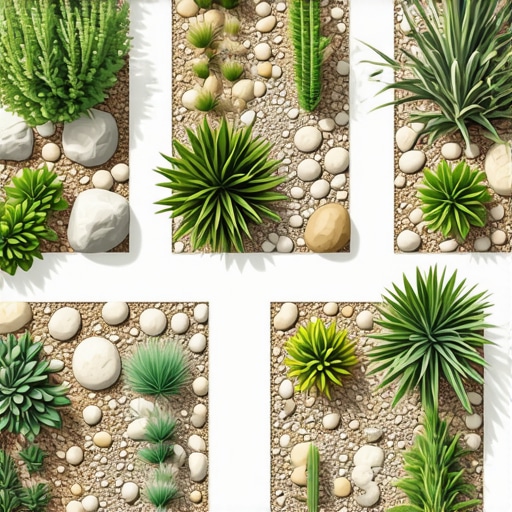
Rain gardens are shallow, planted depressions that absorb excess water. Select native plants that tolerate wet conditions, like swamp milkweed or Joe-pye weed. Positioned strategically, they reduce runoff volume. I created a rain garden behind my shed, which became a lush habitat and a natural water sink, alleviating pressure on my drainage system.
Use Permeable Surfaces to Minimize Runoff
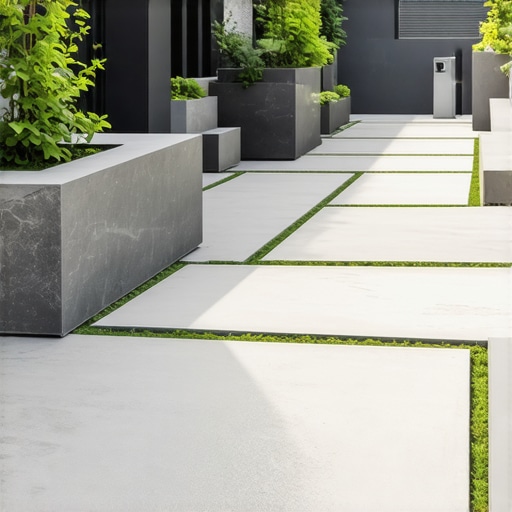
Replace impermeable concrete with permeable pavers or gravel pathways. These materials allow water to seep into the ground, reducing runoff. When redesigning my patio, I chose permeable pavers, which improved water infiltration and added visual appeal, aligning with current hardscaping trends.
Maintain Your Drainage System Regularly
Clear debris from gravel trenches and check for clogs or erosion. Performing seasonal inspections prevented future headaches in my yard. Simple maintenance like removing leaves and inspecting the pipes keeps everything functioning smoothly.
Complement with Landscaping for Optimal Results
Planting strategic vegetation can slow water flow and promote absorption. Native grasses and ground covers reduce soil erosion and improve water retention. I added a border of low-maintenance native plants around my rain garden, which enhanced aesthetics and functionality.
Many homeowners believe that landscape perfection is achievable solely through flashy features or trendy plants, but this misconception can lead to costly mistakes. For instance, newcomers often think that creating bold focal points is the key to a stunning garden, yet overemphasis on aesthetics without considering functionality or long-term sustainability can backfire. An often-overlooked nuance is the significance of understanding the microclimates within your yard. Variations in sunlight, wind, and soil moisture influence plant health and placement, a detail that experts deeply analyze when designing landscapes [according to landscaping pros](https://lawnmajesty.com/landscaping-design-trends-2025-innovative-techniques-for-stunning-gardens). One common trap is oversimplifying lawn care to weekly mowing and watering. Reality is, optimal lawn maintenance involves soil testing and selecting the right native species—a process that can elevate your yard’s resilience and reduce water waste. Did you know that many hardscaping projects fail because homeowners neglect drainage considerations? Proper grading and select durable materials are essential for longevity. When planning patios or walkways, avoiding these details often results in cracked paving and pooling issues down the line.
Why do so many advanced gardeners struggle to perfect their landscape design?
They focus only on individual elements instead of an integrated strategy that considers environmental, aesthetic, and practical factors simultaneously. Experts recommend a holistic approach, incorporating quality soil amendments, native plant selections, and sustainable irrigation practices. This kind of nuanced planning results in a low-maintenance, eco-friendly, and visually appealing outdoor space [as seen in modern landscape designs](https://lawnmajesty.com/modern-landscaping-garden-design-tips-for-2025-success). To avoid these hidden pitfalls, invest time in comprehensive planning, or consult with professionals who understand the complex interactions within garden ecosystems. Next time you’re tempted to add that trendy shrub or install quick-fix hardscaping, remember that a balanced, informed design yields lasting beauty and function. Have you ever fallen into this trap? Let me know in the comments.
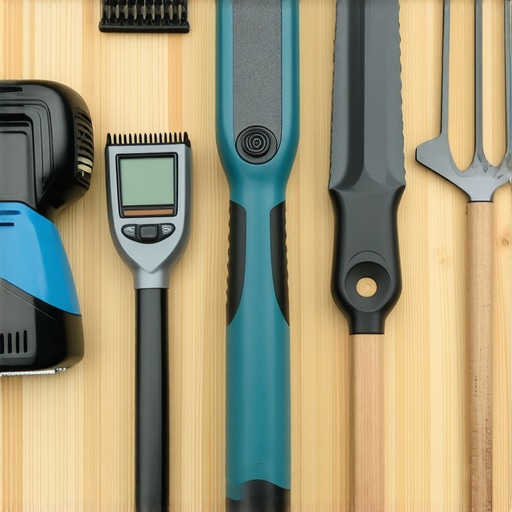
Effective garden maintenance hinges on using the right tools and methods to ensure long-term health and beauty. Over the years, I’ve refined my toolkit to include equipment that not only makes the work easier but also prolongs the lifespan of my garden features. For instance, I rely heavily on a high-quality cordless leaf blower, like the Dewalt 20V Max, because it offers portability and sufficient power for clearing debris without the hassle of cords or excessive noise. Additionally, a sturdy garden rake with flexible tines helps me assess soil conditions and prepare beds efficiently. Modern lawn care techniques emphasize the importance of using ergonomic, durable tools to reduce strain and increase precision during regular maintenance.
Beyond manual tools, investing in a reliable soil moisture meter has revolutionized how I water my plants. It prevents overwatering and underwatering by providing real-time moisture readings, saving water and promoting robust growth. For lawn care, a rotary mower with adjustable height settings ensures uniform cutting and healthier grass. I also utilize a cordless battery-powered hedge trimmer, which makes pruning more manageable and reduces emission footprint. As technology advances, smart garden systems—like automated irrigation controllers linked with weather data—are becoming essential for sustainable gardening. Predicting where the trend is headed, integration of IoT devices will likely dominate, making garden maintenance more efficient and data-driven.
How do I maintain garden tools and systems over time?
The key to keeping your garden equipment working optimally lies in regular maintenance. For hand tools, cleaning and oiling moving parts after each season prevents rust and ensures smooth operation. Power tools should be inspected for wear and tear—replacing blades or filters as needed—and stored in a dry place. For irrigation systems, I recommend annual checks for leaks, clogs, and pump performance, especially before peak watering seasons. According to industry experts, cleaning filters and lubricating moving parts every couple of months extends equipment lifespan and maintains performance, which is vital for efficient garden management. Incorporate a schedule for seasonal checks and set reminders to keep everything in prime condition.
To streamline ongoing maintenance, I utilize software like Yard Inventory, which tracks equipment, schedules maintenance, and even provides reminders based on usage logs. This approach minimizes unexpected breakdowns and ensures everything functions smoothly, saving time in the long run. As the future of garden care leans toward automation and smart technology, staying updated with the latest tools and techniques will be essential. I highly recommend trying out a smart irrigation system or a multi-function tool that combines pruning, trimming, and blowing capabilities for maximum efficiency.
Lessons The Hard Way—What I Wish I Knew About Sustainable Landscaping
One major lesson I learned is never underestimate the power of observation. Catching water flow patterns during rainstorms early on saved me countless headaches later. I also discovered that investing time in quality materials, like durable perforated pipes, pays off over time, preventing costly repairs and replacements. Lastly, balancing aesthetic choices with functional needs is crucial; a beautiful rain garden isn’t just eye candy but a vital part of the ecosystem that reduces runoff and enriches your soil.
Tools and Resources That Make a Difference in My Landscaping Journey
For anyone serious about mastering backyard drainage, I recommend tools like the Dewalt 20V Max cordless leaf blower for quick debris clearance and a reliable soil moisture meter to optimize watering. Books such as Landscaping Design Trends for 2025 provide inspiring ideas and technical guidance. Additionally, websites like Lawn Majesty offer invaluable tips on modern hardscaping and sustainable practices that keep my yard flourishing year after year.
Take Charge of Your Outdoor Space and Create Lasting Beauty
Remember, every choice you make in drainage, plant selection, and hardscaping shapes your garden’s future. Don’t wait for flooding to motivate change—start implementing smart solutions today and watch your outdoor space transform into a resilient, beautiful retreat. Are you ready to take the first step toward a flood-free backyard? Share your plans below, and let’s grow together!
![Stop Retaining Wall Cracks: 4 Warrenton VA Soil Prep Tactics [2026]](https://lawnmajesty.com/wp-content/uploads/2026/03/Stop-Retaining-Wall-Cracks-4-Warrenton-VA-Soil-Prep-Tactics-2026.jpeg)
![4 Modular Wall Fixes for Sloped 2026 Backyards [Proven]](https://lawnmajesty.com/wp-content/uploads/2026/02/4-Modular-Wall-Fixes-for-Sloped-2026-Backyards-Proven.jpeg)