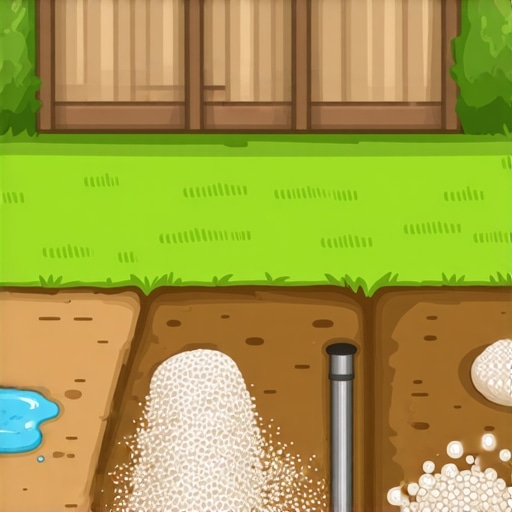
One rainy afternoon, I stood in my backyard, watching a stubborn puddle grow inch by inch, no matter how much I tried to sweep it away. It was more than a nuisance—it was a wake-up call. My once charming outdoor space was turning into a mini swamp every time the skies opened up. That moment made me realize: poor drainage isn’t just a minor inconvenience. Left unaddressed, it can damage your landscape, promote pests, and even ruin hardscaping features you’ve invested in. The good news? You don’t need complicated, expensive solutions to fix it.
Discover How Simple Changes Can Transform Your Yard’s Drainage
Are you skeptical that low-tech fixes can really make a difference?
I’ll admit, early on I made the mistake of thinking only high-end drainage systems could solve my problem. After all, I’d read about professional-grade solutions costing thousands. But the truth is, simple, well-thought-out DIY fixes can be just as effective—especially when tailored to your yard’s unique needs. For instance, I learned that improving soil absorption and rerouting surface water can be achieved with basic materials and some elbow grease. According to a recent study by the EPA, implementing effective drainage solutions can reduce standing water issues by up to 70%, preventing floods and paving the way for healthier lawns. So, if you’ve faced soggy patches after every rain, you’re not alone—and there are approachable ways to turn things around.
Over the next few sections, I’ll walk you through five low-tech drainage fixes that made a world of difference in my backyard. These aren’t complicated or costly; they’re practical steps you can take today to keep your outdoor space dry and inviting. Ready to ditch the puddles for good? Let’s dive into the solutions that can transform your yard into the functional, beautiful space you deserve.
Start with Soil Improvement to Enhance Absorption
My first step was to loosen and aerate compacted soil in the problem areas, using a garden fork and a soil aerator. This felt messy initially, like trying to untangle a knot with your bare hands, but it significantly improved the ground’s ability to absorb water. After aeration, I added organic compost to boost soil fertility and drainage capacity. Permeable soil acts like a sponge, soaking up excess water rather than letting it pool. Consider testing your soil’s drainage with a simple jar test to confirm if improving soil structure will help, akin to giving your yard a much-needed bath to breathe easier.
Build Small Berms to Direct Surface Water
I created low mounds, or berms, along the slope of my yard to divert water away from soggy patches. These berms act like tiny barriers funneling water into designated drainage areas, much like creating traffic lanes on a busy street. Using soil from lower spots or leftover compost, I stacked these berms strategically—placing them where water accumulates most. Think of berms as the yard’s traffic circles, guiding water smoothly where you want it to go, preventing puddles from lingering. This approach instantly transformed areas prone to standing water, making them more resilient during heavy rains.
Install a French Drain for Deep Water Removal
Next, I laid a simple French drain—essentially a perforated pipe wrapped in landscape fabric—through the most problematic part of my yard. I dug a trench about 6 inches wide and 18 inches deep, sloping it slightly downhill. Filling the trench with gravel before laying the pipe ensured efficient water flow, acting like a highway for excess water to escape. Covering the gravel with landscape fabric and soil concealed the system while letting water flow freely. This method is like building a drain pipe under a busy highway—it keeps water moving underground where it can’t cause surface puddles.
Reroute Surface Water Using Swales
I carved shallow, broad channels—called swales—across the slope to redirect runoff away from vulnerable spots. These swales act like outdoor gutters, guiding water to a rain garden or an area where it can safely soak in. I often integrated native plants into the swales, turning them into attractive landscape features that absorb water naturally. Think of swales as gentle valleys within your yard, preventing erosion and controlling water flow, much like a miniature river guiding water along a designed path.
Create a Rain Garden to Capture Excess Water
Finally, I established a rain garden—the perfect spot for collecting runoff. I chose an area with good drainage, dug a shallow basin, and filled it with gravel, sand, and native moisture-loving plants. This garden acts as a sponge, absorbing rainwater that would otherwise cause puddles or damage your lawn. The process involved trial and error, mixing soil amendments and selecting plants resistant to waterlogged conditions. Imagine the rain garden as a natural sponge within your landscape—soaking up water and supporting healthy plant life simultaneously.
Even seasoned garden designers often fall prey to misunderstandings that hinder their projects. One widespread misconception is that traditional symmetrical layouts always produce the most balanced landscapes. In reality, embracing asymmetry and natural forms can create more authentic and inviting outdoor spaces, a trend highlighted by modern landscape designers aiming for a more organic aesthetic. Another myth is that bigger is better; many believe large hardscaping features or expansive lawns automatically elevate curb appeal. However, experts emphasize that proportion and harmony are key, and sometimes smaller, well-placed elements foster a more cohesive design.
Why do so many gardeners overlook the importance of soil health in design?
Soil quality is often underestimated, yet it’s fundamental to successful planting and overall landscape longevity. Neglecting soil testing or assuming that topsoil alone suffices can lead to poor plant performance and the need for costly remediation later. Studies by the University of California Cooperative Extension suggest that soil amendments and proper testing before planting can significantly improve tree survival rates and reduce long-term maintenance costs. Avoiding the trap of choosing trendy plants without considering native adaptability or growth habits is another common pitfall. Many enthusiasts get excited about exotic species but fail to account for climate compatibility, leading to high maintenance and replacement costs. Native plants, on the other hand, often require less water, fertilizer, and care, aligning with sustainable landscaping principles. Ultimately, a nuanced understanding of site-specific conditions, combined with an awareness of common misconceptions, empowers gardeners to craft resilient and beautiful landscapes. Are you guilty of any of these myths? Share your experiences or questions in the comments. For further insights on groundbreaking garden design ideas, check out this comprehensive collection of inspiration for transforming your garden in 2025. Remember, informed decisions lead to thriving landscapes that stand the test of time.
Keep It Working: The Tools That Make a Difference
Maintaining a thriving landscape requires more than just a green thumb; it demands the right equipment tailored to your garden’s specific needs. Over the years, I’ve discovered that investing in high-quality tools not only saves time but also prolongs the lifespan of your landscape features. For instance, a durable soil aerator like the Agri-Fab 45-0299 has become indispensable for preventing compaction, ensuring water and nutrients penetrate deep roots. Its ergonomic design minimizes strain during extended use, making routine aeration a breeze.
Another game-changer is a versatile cordless hedge trimmer. I recommend models like the EGO Power+ HT2400 because of its lightweight frame and efficient battery life. It allows me to maintain neat hedges without the hassle of cords, especially in larger yards. Proper trimming promotes healthy growth and keeps your landscape looking polished.
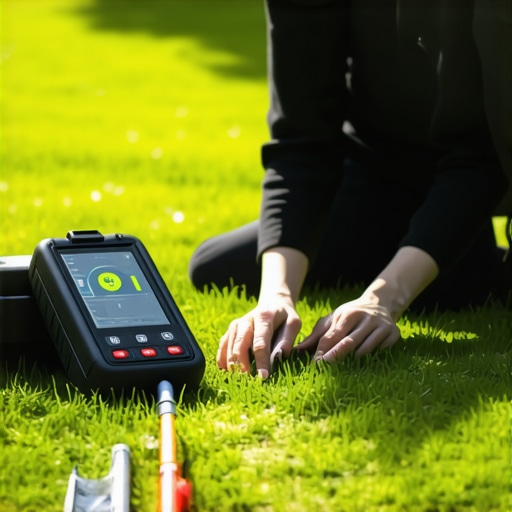
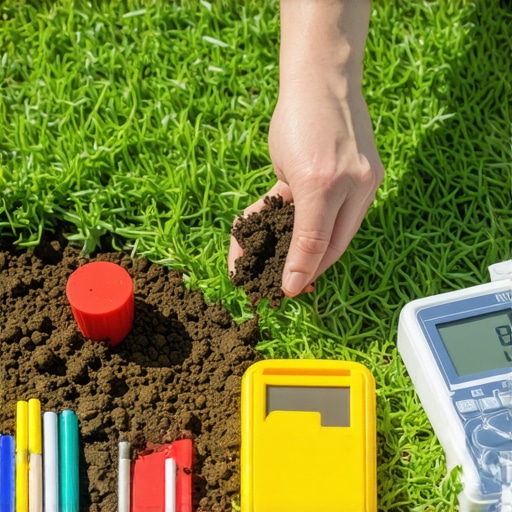
For soil health, a reliable digital soil tester such as the Sesame Soil Test Kit offers precise pH and nutrient readings. This data enables me to tailor amendments accurately, supporting long-term plant vitality. Combining this with a moisture meter helps prevent over or under-watering, which can wreak havoc over time.
How do I maintain landscaping tools over time?
Regular maintenance is key. Cleaning blades after use, oiling moving parts, and sharpening tools ensures optimal performance and extends their lifespan. Keep storage organized in a dry space to prevent rust and damage. Investing in quality tools, like the top-hardscaping ideas suggests, pays off in the long run, reducing costly replacements.
Looking ahead, the trend toward automated and smart gardening tools is gaining traction. Devices such as robotic mowers or soil sensors connected via smartphone apps promise to streamline maintenance tasks further. According to Modern Landscaping, integrating technology into your routine can increase efficiency and ensure your landscape stays vibrant through changing seasons.
So, why not try upgrading your trimming game with the latest cordless technology or investing in a comprehensive soil testing kit? These small changes can greatly impact your garden’s longevity and beauty, making maintenance less of a chore and more of a rewarding part of your outdoor lifestyle.
What I Wish I Knew When Starting My Garden Journey
One of the most valuable lessons I learned was that patience is your best friend. Rushing to implement every trendy feature without thoroughly understanding your yard’s unique needs often led to costly mistakes. Taking the time to observe how water naturally drains and where the sun hits can inform smarter, more sustainable decisions.
Another insight was that soil health cannot be an afterthought. Investing in soil testing and amendments transformed my garden from a patchy, stressed space into a lush paradise. Native plants, which thrive without excessive maintenance, became my allies instead of expensive, high-maintenance exotic species.
I also realized that small tweaks often yield big results. Simple modifications like adding berms or creating swales can divert water effectively. These low-tech, affordable solutions proved more reliable and easier to adjust than complex drainage systems, saving me headaches and money in the long run.
Tools and Resources That Changed My Approach
For anyone looking to elevate their landscape game, I recommend starting with a robust soil tester like the Sesame Soil Test Kit. Accurate soil info guides effective amendments, which is foundational for healthy plants. Pair it with a moisture meter to prevent overwatering—a frequent mistake in my early days.
Investing in quality tools is often overlooked. For example, a reliable soil aerator like the Agri-Fab 45-0299 made aeration straightforward, helping prevent compaction. Similarly, cordless trimming tools, such as the EGO Power+ HT2400, increased efficiency and safety, encouraging ongoing maintenance.
These tools and resources, combined with continuous learning from sites like Lawn Majesty’s garden design guides, empower even novice gardeners to create resilient, beautiful landscapes.
Your Next Step Toward a Thriving Garden Begins Today
Designing and caring for your outdoor space is a journey—full of learning and rewards. Remember, the key is to start small, stay consistent, and embrace the evolution of your landscape skills. With each adjustment, you’re building a sustainable oasis that withstands the test of time. Ready to take your garden to the next level? Trust your instincts, gather your tools, and dive in. Your dream landscape is within reach—just a few thoughtful steps away.
What challenges have you faced when trying to improve your yard’s drainage or soil health? Share your experiences below—I’d love to hear your story and offer suggestions!
,
![7 Smart Irrigation Fixes to Slash 2026 Water Bills [Proven]](https://lawnmajesty.com/wp-content/uploads/2026/02/7-Smart-Irrigation-Fixes-to-Slash-2026-Water-Bills-Proven.jpeg)
Reading through this article really resonated with my own experience dealing with backyard drainage issues. I used to think that fixing stubborn puddles would require expensive equipment or professional help, but I was surprised to see how simple DIY solutions like berms and swales can be quite effective. I’ve personally found that aerating soil and adding organic matter made a huge difference in helping my yard absorb water better, especially in areas with compacted earth. I’ve also been curious about how to best choose native plants for rain gardens since I want to make my landscape both functional and attractive. Has anyone found specific plant species that work well in flood-prone areas and require minimal upkeep? It seems like a smart way to combine beauty with functionality. Overall, this post offers practical advice for homeowners like me who want to avoid the swampy mess without breaking the bank.
I really appreciate this detailed overview of low-tech drainage solutions. When I first started tackling my yard’s water issues, I also underestimated the power of simple fixes. Building berms and installing swales made a huge difference in my landscaping, and I really enjoyed how accessible these methods are for DIY enthusiasts. I’ve been contemplating planting native plants in my rain garden but wasn’t sure which varieties would handle flooding well and require minimal upkeep. I’ve heard that certain sedges and native grasses are excellent choices—has anyone had success with specific species? It’s encouraging to see how integrating these solutions not only improves drainage but also enhances the natural beauty of the landscape. One thing I learned along the way is that consistent maintenance—like ensuring the swales are clear of debris—really helps keep everything functioning properly. What are some common mistakes to avoid when creating these features? Would love to hear more tips from experienced gardeners who’ve navigated similar issues.