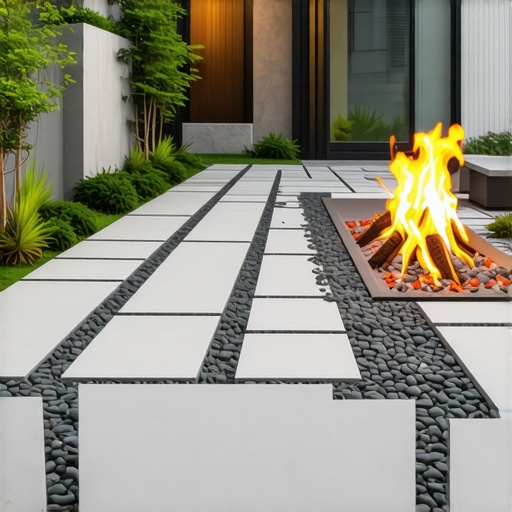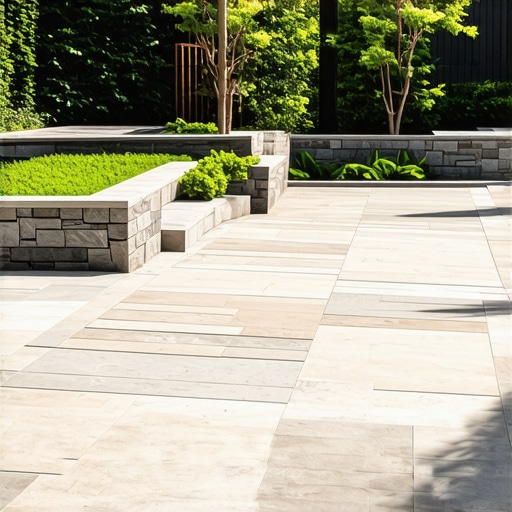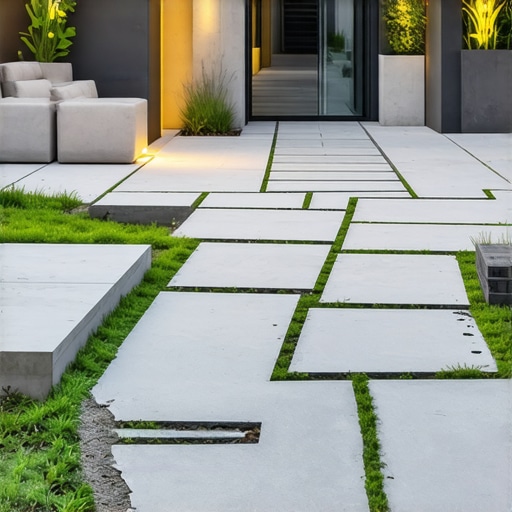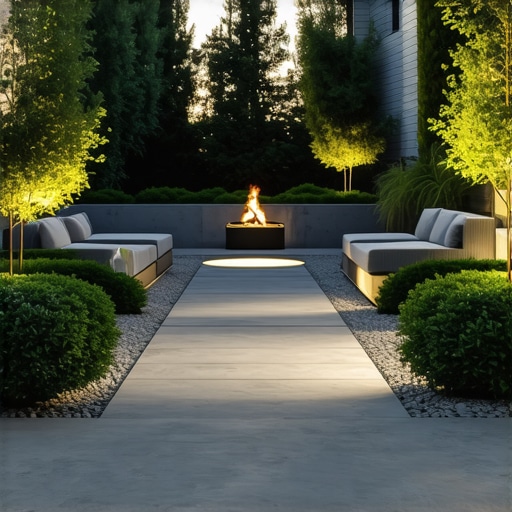
I remember the moment clearly—walking through my backyard after a particularly heavy rain, only to find my new patio half-sunk and my once pristine slope turned into a muddy mess. It hit me hard. This wasn’t just about aesthetics anymore; it was about preserving what I worked so hard to create. Soil erosion was sneaking in, threatening to undo years of careful landscaping, and I realized I wasn’t alone in this struggle. Many homeowners are waking up to the fact that without smart fixes, their outdoor spaces might not survive until 2026—let alone look good.
Why Soil Erosion is More Than Just a Mess
Soil erosion isn’t just about losing topsoil or muddy patches in your yard. It can weaken foundations, damage hardscaping, and lead to costly repairs. Experts warn that if unchecked, soil erosion can accelerate, causing significant landscape issues that may take years to fix. Early in my journey, I made the mistake of ignoring minor slope issues, assuming they weren’t urgent. That was a costly lesson, and it’s one I want to help you avoid. Proactive hardscaping strategies can prevent much of this damage, saving you time, money, and a lot of headache down the line.
Is Hardscaping Actually Worth the Investment?
I know some homeowners dismiss hardscaping as a luxury or unnecessary expense. But I’ve learned from personal experience—and research—that intelligent hardscape choices can be your best defense against soil erosion. For instance, improper installation of permeable pavers can worsen drainage issues, which only accelerates erosion. Early on, I didn’t realize how crucial proper drainage was—until I faced puddles and undermined walkways. To get it right, it’s essential to learn from experts. For example, discover common mistakes in permeable paving that could be sabotaging your yard by reading this guide.
Now, let’s explore some innovative, smart fixes that can safeguard your yard and keep erosion at bay well into the future. Ready to transform potential disaster into a durable design? Let’s dive in.
Build Retaining Walls to Reinforce Slopes
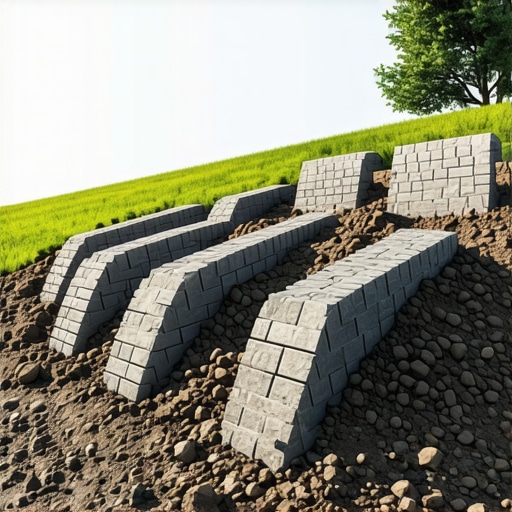
Start by constructing sturdy retaining walls using durable materials like natural stone or concrete. During my project, I used interlocking stone blocks to contour a vulnerable slope. This step held back the soil effectively, preventing runoff during heavy rains. Ensure walls are properly anchored and include drainage channels to avoid pressure buildup. Properly designed, they serve as permanent fixtures against erosion.
Incorporate Permeable Pavers for Better Drainage
Replacing traditional paving with permeable options allows water to seep into the ground, reducing surface runoff that causes erosion. I experimented with a section of my driveway using permeable concrete pavers, which initially caused some confusion during installation. By following guidelines from this resource, I avoided common pitfalls like improper base prep and joint failure. This approach improves drainage and stabilizes soil over time.
Terrace Slopes with Step-like Platforms
Dividing steep slopes into terraces creates flat areas that slow water flow and trap soil. I personally terraced a backyard hillside by creating levels with retaining walls and filling them with plant-friendly soil. These terraces mimic natural hill formations, reducing erosion. Use construction techniques that ensure each level is level and properly supported to withstand water forces.
Plant Deep-Rooted Vegetation Along Critical Areas
Vegetation with extensive root systems anchor soil, preventing displacement. I planted native grasses and shrubs along the base of my slope, which proved surprisingly effective after just one season. Selecting plants suited to your climate is key; check local guides or consult with experts. Deep roots penetrate the soil, acting as natural barriers against erosion.
Install Drainage Systems Strategically
Proper drainage directs water away from vulnerable slopes. I installed French drains and surface gutters to channel runoff efficiently. During installation, I referenced this guide to avoid common mistakes like inadequate slope grading or using unsuitable pipe materials. Effective drainage reduces saturation and soil movement, safeguarding your landscape.
Use Mulch and Ground Cover to Protect Soil Surface
Applying organic mulch or ground covers shields soil from erosive raindrops and promotes water absorption. I spread mulch over bare soil areas to create a protective barrier. Avoid piled-up mulch that blocks water; instead, aim for an even layer. This layer prevents surface runoff, preserves soil integrity, and fosters healthy plant growth.
Regular Maintenance and Monitoring Are Essential
Schedule periodic inspections after storms to identify any signs of erosion or structural issues. I checked my hardscaped areas after heavy rains, reseeding or repairing minor damages promptly. Staying proactive prevents small problems from escalating. Keep an eye on drainage paths, retaining walls, and planted areas to catch issues early.
Many homeowners believe that successful garden design relies solely on choosing the right plants or following popular trends. However, this oversimplifies a complex craft where overlooked nuances can make or break your outdoor space. One common myth is that symmetry always equals beauty—yet, in expert landscapes, asymmetry often creates more natural and engaging visuals. An advanced mistake is neglecting microclimates within your garden, which can lead to plants underperforming despite ideal soil and watering routines. Recognizing these subtle environmental factors is crucial for durable landscaping.
Are DIY Garden Projects Leading to Costly Mistakes? Discover the Hidden Trap
Research by landscape architect Kate Riley emphasizes that ignoring site-specific factors such as drainage nuances or soil composition can undermine entire projects, even when following popular design templates. For instance, simply following trendier hardscaping ideas without considering your yard’s drainage patterns may expedite soil erosion or cause water pooling. To avoid these pitfalls, I recommend consulting expert guides like this resource for a deeper understanding of sustainable hardscaping practices. Remember, investing time in understanding your landscape’s unique requirements leads to longer-lasting and more captivating results. Analyze how advanced techniques—such as incorporating native plants that adapt to microclimates—can significantly elevate your garden’s resilience. Want to learn more? Check out the latest trends in modern hardscaping for innovative ways to refine your outdoor space. Have you ever fallen into this trap? Let me know in the comments.
Keep Your Garden Thriving with the Right Tools
Maintaining a healthy landscape over years demands precision and the right equipment. I personally rely on a high-quality cordless hedge trimmer from brands like Stihl because its battery life and cutting power handle even the most overgrown hedges with ease. For soil testing, I swear by a digital soil probe—it’s quick, accurate, and helps me customize fertilization plans rather than guesswork. Investing in a good aerator, like the Rentokil lawn aerator, allows me to punch holes in compacted soil, drastically improving water and nutrient absorption. These tools not only save time but also improve the long-term health of your soils and plants.
Automate and Track Progress with Smart Technology
In recent years, I’ve integrated smart irrigation controllers such as the Rachio system, which calibrates watering schedules based on weather forecasts. This minimizes waste and ensures my lawn gets the right amount of water without me constantly adjusting sprinklers manually. Apps like Gardenize help me document planting dates, fertilization, and pest treatments, giving a clear overview of what’s worked and what needs attention. These digital tools streamline maintenance routines and keep my garden on track for sustained beauty and health.
How do I keep my landscape working without constant intervention?
Implementing proper maintenance routines is key. I recommend setting a seasonal schedule that includes timely aeration, overseeding, and mulching—each step supported by specific tools. For instance, regular aeration using a solid tine aerator prevents soil compaction, promoting healthy root growth and resisting erosion. To choose the best method, consult specialized guides like this comprehensive resource. Over time, these practices create a resilient landscape that requires less frequent repair. As future trends point toward integrated smart systems, I believe combining traditional tools with IoT technology will revolutionize long-term landscape health. Trying a sophisticated irrigation controller or soil sensor now can set your yard on a path to effortless excellence in the years ahead. Ready to upgrade? Test one smart irrigation feature today and watch your landscape flourish with minimal fuss.
Throughout my journey, I’ve uncovered that mastering soil erosion prevention isn’t just about applying quick fixes but understanding the delicate balance beneath our feet. One pivotal insight was realizing that proactive design choices, like strategically placed retaining walls and smart drainage systems, create a fortress for your landscape, resisting the forces of nature over time.
Another lesson was embracing adaptable planting strategies—selecting native, deep-rooted vegetation that can withstand microclimate variations transforms brittle landscapes into thriving ecological havens. And lastly, I discovered that integrating innovative, stylish hardscaping features—like permeable pavers and terraces—not only elevates aesthetic appeal but also fortifies your yard against future erosion challenges.
The Hidden Wisdom of Ground-Level Resilience
- Layered defenses matter: Combining terracing with vegetation creates a robust system that manages water flow seamlessly. I learned that neglecting this synergy often leads to overlooked vulnerabilities that manifest after storms.
- Think long-term, act now: Investing in quality materials and professional guidance ensures your hardscaping withstands changing climate patterns, saving money and stress down the line. Consult resources like this guide to avoid common pitfalls.
- Microclimates influence everything: Tailoring plant choices and design elements to your yard’s unique environment creates a landscape that thrives naturally, requiring less maintenance and fewer repairs.
Tools and Resources That Made a Difference
- Permeable Paver Insights: Learning the correct installation techniques from this comprehensive resource helped me prevent drainage issues that could accelerate erosion.
- Soil and Drainage Equipment: A quality digital soil tester and French drains were game-changers, providing precise data and effective water diversion. These tools demystify complex processes and empower homeowners to make confident decisions.
- Design Inspiration: Exploring this source sparked ideas for innovative terracing and plantings that suit all kinds of microclimates.
Ready to Build a Lasting Outdoor Sanctuary
Remember, the foundation of a resilient garden lies beneath the surface—understanding soil behavior, water dynamics, and plant resilience empowers you to create a landscape that endures. Embrace the learning curve, leverage trusted resources, and don’t shy away from innovative ideas. Your backyard can become a haven of beauty and stability that stands strong into 2026 and beyond.
What new hardscaping technique are you excited to try first? Share your plans below and let’s grow together!