
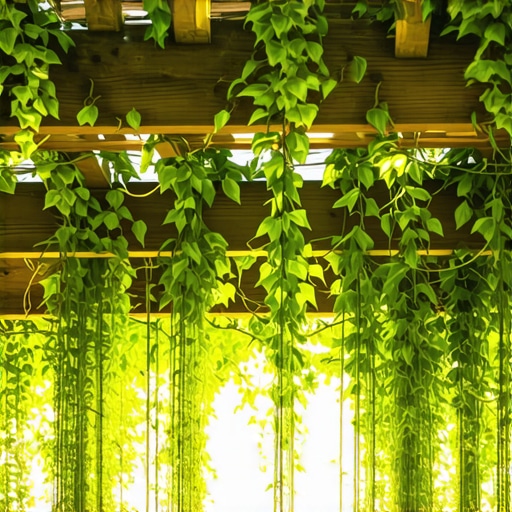
I remember standing in my backyard last summer, feeling the sun’s relentless heat glaring down as I struggled to enjoy my outdoor space. The old, tired shade cloth I hastily hung years ago had become a faded, sagging eyesore—hardly offering the privacy or relief I craved. That moment hit me: I needed a real solution, not just a quick fix, to create a shady retreat and seclusion from nosy neighbors. The answer, I realized, was planting fast-growing, lush shade vines that would transform my pergola into a verdant sanctuary. If you’ve ever felt frustrated watching your outdoor oasis get baked by relentless sun or compromised by lack of privacy, you’re not alone. Today, I’ll share how selecting the right shade vines can make all the difference, turning your pergola into a lush, cool haven that grows stronger and more beautiful each season.
The Growing Need for Smart Shade Solutions in 2026
As outdoor spaces become more vital for relaxation and entertaining, more homeowners are seeking innovative ways to improve comfort and privacy without sacrificing style. Traditional approaches, like bulky fences or artificial shade sails, often fall short—they can be unsightly, costly, or require ongoing maintenance. Enter shade vines: nature’s answer, offering an elegant, sustainable, and cost-effective way to shield your pergola from harsh sunlight while adding vibrant greenery and fragrant blooms. Not only do they enhance aesthetics, but they also provide environmental benefits, such as improved air quality and habitat for pollinators.
In my early garden days, I made a crucial mistake: rushing to plant fast-growing vines without understanding which varieties truly thrive in my climate or how to support their rapid growth. This led to a tangled mess of weak stems and underwhelming foliage. From experience, I learned that choosing resilient, vigorous vines tailored to your environment is key. For example, some species reach full canopy in just a couple of seasons, offering immediate shade and privacy, while others develop more slowly but boast richer blooms and scent. To make the best choice, I recommend exploring reliable sources like Lawn Majesty’s gardening tips, which guide you through selecting and caring for the right plants to suit your needs.
Before diving into specific vine options, ask yourself: Have I faced the frustration of vines taking too long to mature or failing to provide the coverage I envisioned? If so, you’re not alone—and the good news is, selecting the right species can save years of disappointment and effort. Now, let’s look at some of the top contenders for 2026 that will turn your pergola into a lush, shaded paradise.
Select the Ideal Vines for Your Space
Begin by researching vine varieties suited for your climate, growth rate, and desired aesthetic. I once chose a Confederate Jasmine without checking its maturity timeline, which took three years to provide substantial shade, leading to temporary disappointment. Instead, opt for species like Climbing Hydrangea or Star Jasmine that offer rapid coverage and fragrant blooms. Cross-reference with trusted sources such as Lawn Majesty’s gardening tips for tailored recommendations.
Prepare Your Pergola Properly
Ensure your pergola has sturdy supports and appropriate trellises to cradle the vines. Think of this like building a strong frame for a summer tent—sturdy support is key. Before planting, clear any debris, loosen the soil around the base, and incorporate organic compost to provide nutrients. I recall digging holes for morning glories and accidentally disturbing existing roots, so I made sure to avoid existing plants and added compost for quick nutrient uptake.
Plant the Vines Correctly
Dig holes twice as wide as the root ball and just deep enough to sit flush with the soil surface. Gently remove the vine from its container, loosen any circling roots with a fork, and place it into the hole. Fill with soil, tamp down gently, and water thoroughly. When I planted a quick-growing Creeping Fig, I used a garden hose to saturate the area, ensuring good root-to-soil contact to promote rapid establishment.
Support Growth with Proper Training
Use trellises, wires, or mesh to guide vines as they grow upward. Tie tendrils loosely with garden twine, allowing space for expansion. Like training a puppy, consistent guiding helps the vine grow in the desired shape. I once tied a growing Trumpet Vine in a spiral pattern, which encouraged even coverage and an attractive display. Regularly check ties to prevent constriction and adjust as the plant matures.
Maintain Regular Care for Rapid Coverage
Water consistently, especially during dry spells—aim for deep, infrequent watering to encourage strong root systems. Mulch around the base to conserve moisture and suppress weeds. Apply balanced fertilizer monthly during the active growing season. I learned from https://lawnmajesty.com/modern-hardscaping-ideas-for-2025-outdoor-transformation-3 that consistent watering and feeding are crucial for vines to reach full canopy within two seasons, dramatically reducing the wait time for shade. Monitor for pests and diseases, removing any affected parts immediately to keep your vines healthy and vigorous.
 Many homeowners believe that more fertilizer automatically means a lusher, greener lawn, but in reality, over-fertilizing can lead to nutrient runoff, soil imbalance, and increased weed growth. It’s a common misconception that continuous watering always results in healthier grass; however, excessive watering can cause shallow root systems, making your lawn more vulnerable to drought and disease. Instead, adopting a balanced watering schedule and focusing on soil health yields better, long-term results. One overlooked nuance is the importance of soil testing before making lawn improvements—without understanding your soil’s specific needs, you risk wasting time and resources. For example, adding nitrogen-rich fertilizer to already high-nitrogen soil can harm your grass and environment, as highlighted in Lawn Majesty’s guide on soil fixes for patchiness.
A frequent trap many fall into is focusing solely on visible results, like lush greenery, without considering underlying issues like soil compaction or drainage problems. Addressing these foundational problems can dramatically improve your lawn’s health.
From my experience, another advanced mistake is ignoring the benefits of native plants in garden design. Native species are better adapted to local conditions, require less maintenance, and support local ecosystems. For instance, selecting native grasses and flowers can enhance biodiversity and reduce water usage, which is crucial for sustainable landscaping. You can explore expert recommendations for native plant choices, which often outperform exotic species in resilience and environmental benefits.
**How can you tell if your lawn’s issues stem from soil problems or watering habits?** Conducting a simple soil test can reveal nutrient levels and pH, guiding precise interventions. For the best results, consider professional testing or use home testing kits available in garden centers. Properly diagnosing your soil issues prevents futile treatments and aligns your lawn care with sustainable practices.
In summary, understanding these hidden nuances and avoiding common myths is essential for creating beautiful, resilient outdoor spaces. Don’t get caught in the trap of quick fixes; instead, invest in foundational health—your lawn and garden will thank you. For more detailed insights into soil management, visit Lawn Majesty’s soil fixes guide. Have you ever fallen into this trap? Let me know in the comments.
Keeping Your Outdoor Space in Top Shape with the Right Tools
Investing in quality tools is paramount for maintaining a vibrant and healthy landscape over time. I personally rely on a durable cordless chainsaw for pruning and shaping trees, as its portability and power make quick work of heavy branches without the hassle of cords. A precision soil pH meter has become my go-to for early detection of nutrient imbalances, allowing me to address issues before they escalate, which aligns with the advice found in Lawn Majesty’s soil fixing guide. Additionally, a high-performance rotary tiller simplifies aerating and prepping large garden beds, making perennial care a breeze.
For ongoing maintenance, I recommend incorporating a smart irrigation controller connected to weather-based sensors. This technology ensures your lawn and garden receive optimal water levels, preventing overwatering and conserving resources—an approach forecasted to become standard as smart home integration advances. The trend towards automated outdoor systems suggests that in the near future, precision watering will be managed effortlessly through AI-driven algorithms, reducing manual oversight.
How do I keep my landscaping tools functioning over time?
Regular maintenance is key. I make it a habit to clean and lubricate my power tools after each use—this includes sharpening blades, checking for rust, and storing them in a climate-controlled shed. For hand tools, a simple wire brush and an oil coating help prevent corrosion. Remember, using the right lubricants and storing equipment properly extends their lifespan and ensures peak performance season after season. And don’t forget to periodically inspect and replace worn parts; doing so proactively avoids sudden breakdowns that can disrupt your landscape upkeep.
Lastly, staying updated with the latest in gardening technology can give you a significant edge. For example, automated soil testers not only monitor pH but also analyze moisture content, guiding you on watering schedules and fertilization, which ties into the ongoing trend of smart gardening. For an advanced tip, consider deploying a soil moisture sensor linked with your irrigation system—this ensures your lawn remains perfectly hydrated, reducing waste and promoting deep root growth. Explore options and see how these tools can be integrated into your landscape management plan for long-term success.

Next time you plan your garden maintenance, try upgrading to a weather-connected irrigation controller and observe how it simplifies your watering routine while conserving water. As the landscape technology landscape evolves, staying ahead can help your garden thrive for years to come. Want to dive deeper? Check out Lawn Majesty’s latest hardscaping innovations to complement your maintenance schedule and keep your outdoor space looking stunning.
The Lessons That Change the Way You Garden
One of the most profound insights I’ve gained is that patience often trumps haste when it comes to lush greenery. Rushing into planting without understanding your soil or climate can lead to years of frustration. I’ve learned that observing and adapting to your garden’s unique needs ensures sustainable growth. Additionally, embracing native plants has been a game-changer—native species thrive with minimal maintenance, supporting local ecosystems and saving resources. Lastly, consistent maintenance and smart tool care not only prolongs equipment life but also keeps your garden flourishing season after season. These lessons remind me that thoughtful planning and respect for nature’s rhythms lead to the most rewarding outdoor spaces.
Tools and Resources that Elevate Your Landscaping Journey
trusted sources like Lawn Majesty provide valuable insights on everything from soil testing to hardscaping trends, helping me stay ahead. A quality soil pH meter has been indispensable for diagnosing issues before they become major problems, while a durable rotary tiller makes preparing new beds effortless. For design inspiration, books like Garden Revolution have expanded my creative horizons, emphasizing sustainable and innovative approaches. Additionally, exploring smart irrigation controllers has streamlined watering routines, conserving water while maintaining vibrant lawns. These tools, combined with trusted online guides, empower gardeners to turn visions into reality with confidence and efficiency.
Your Path to a Thriving Garden Is Within Reach
Don’t let hesitation hold you back from transforming your outdoor space. Every gardener starts somewhere, and with each season, you’ll gather more wisdom to craft the garden of your dreams. Embrace the journey of learning, experimenting with new techniques, and celebrating your progress. Remember, your outdoor oasis is a reflection of your patience and passion. Ready to take the next step? Grab that shovel, select your favorite vines, and watch your garden flourish into a sanctuary you’ll cherish forever. What’s one yard project you’re excited to start? Share below—I’d love to hear your plans and help you succeed!
![7 Native Trees for Instant 2026 Backyard Privacy [List]](https://lawnmajesty.com/wp-content/uploads/2026/02/7-Native-Trees-for-Instant-2026-Backyard-Privacy-List.jpeg)
![5 Sun-Tough Perennials for No-Water 2026 Gardens [List]](https://lawnmajesty.com/wp-content/uploads/2026/03/5-Sun-Tough-Perennials-for-No-Water-2026-Gardens-List.jpeg)
![5 Clay-Soil Shrubs That Won't Die in 2026 [Low Maintenance]](https://lawnmajesty.com/wp-content/uploads/2026/03/5-Clay-Soil-Shrubs-That-Wont-Die-in-2026-Low-Maintenance.jpeg)


I really resonated with the emphasis on choosing the right vine varieties tailored for your climate and support system. It’s so true that rushing into planting the fastest-growing vines without proper planning can lead to a tangled, frustrating mess. When I did mine a couple of seasons ago, I didn’t consider the support structures, and my Trumpet Vines ended up sprawling unpredictably. Now, I’ve learned to carefully select resilient species like Climbing Hydrangea and ensure sturdy supports from the start. It made a huge difference in how quickly and healthily they established. I wonder, what are some of your favorite native vines that have thrived in your garden and provided quick coverage? It’s so rewarding to see a lush, shaded pergola without waiting years!