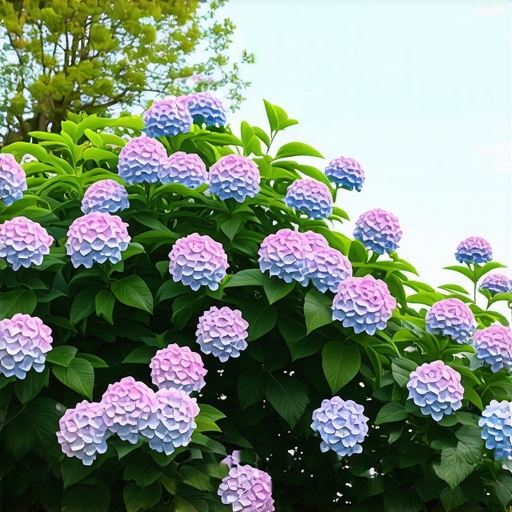
The Forensic Autopsy of a Bloomless Garden
Every July, I get the same phone calls from homeowners complaining that their $5,000 garden design looks like a collection of expensive green sticks. They wait for blooms that never come, blaming the nursery, the weather, or the fertilizer. Stop killing your hydrangeas through ignorance of biological cycles. The failure isn’t in the plant; it’s in the timing. When you see a hydrangea that produces a massive canopy of green leaves but zero flowers, you are looking at the victim of a pruning crime committed six months too late. Most people treat pruning like a haircut, but for a hydrangea, it is more like a surgical amputation of its reproductive organs. By the time you realize your 2026 pruning was a mistake, the season is already over.
The Apprentice Lesson: Soil Grading and Root Health
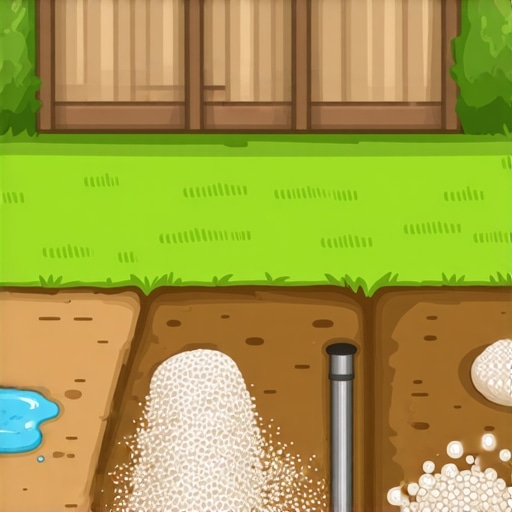
Pruning errors often start at the ground level because a stressed plant cannot recover from even a minor cut. I always drill into my new crew members: if you don’t fix the soil grading first, every plant you put in the ground is just expensive compost. I recently watched an apprentice try to ‘fix’ a struggling Bigleaf Hydrangea by hacking it back. I stopped him immediately. The plant wasn’t failing because it needed a trim; it was failing because it was buried three inches too deep in heavy clay, suffocating the root flare. When the roots can’t breathe, the plant can’t push energy to the terminal buds. If you prune a plant that is already struggling with poor drainage or soil compaction, you are just fast-tracking its death. We spent that afternoon excavating the root flare and installing a French drain to manage the hydrostatic pressure from the uphill neighbor’s yard. Only then did we even look at the shears. Engineering the environment is 80% of the job.
“Hydrangea macrophylla and H. quercifolia set flower buds on ‘old wood’—stems produced during the previous growing season. Pruning these after mid-summer or before they bloom in spring removes the developed buds.” – Penn State Agricultural Extension
Why is your 2026 pruning already late?
The 2026 bloom cycle is determined by the actions you take in the summer of 2025. For species that bloom on old wood, the plant begins its hormonal shift to flower production shortly after the current year’s blooms fade. If you wait until the winter of 2025 or the early spring of 2026 to ‘clean up’ your bushes, you have already snipped off the microscopic flower heads. You are left with a plant that has plenty of nitrogen-fueled foliage but zero reproductive capability. It is a biological dead end for that season. You must understand the specific cultivar in your yard before you make a single cut. Are you looking at a Macrophylla, a Paniculata, or an Arborescens? If you don’t know the answer, put the shears back in the shed.
How much do I prune for a hydrangea patio border?
For most established hydrangeas, you should never remove more than one-third of the oldest canes down to the ground. This selective thinning allows for better airflow through the center of the shrub, reducing the risk of Cercospora leaf spot and powdery mildew while encouraging the growth of vigorous new stems from the base of the plant. Avoid ‘heading back’ cuts that leave ugly stubs. Instead, cut back to a strong pair of lateral buds. If you are trying to control the size of a plant that is naturally too large for its space, you have a garden design problem, not a pruning problem. You should have planted a dwarf cultivar like ‘Bobo’ or ‘Little Quick Fire’ instead of trying to fight the genetics of a ‘Limelight’.
| Hydrangea Species | Bloom Wood Type | Optimal Pruning Window | Common Cultivars |
|---|---|---|---|
| Macrophylla (Bigleaf) | Old Wood | Immediately after summer bloom | Nikko Blue, Endless Summer |
| Paniculata (Panicle) | New Wood | Late winter / Early spring | Limelight, PeeGee |
| Quercifolia (Oakleaf) | Old Wood | Immediately after summer bloom | Alice, Snowflake |
| Arborescens (Smooth) | New Wood | Late winter / Early spring | Annabelle, Incrediball |
What happens if I prune at the wrong time?
Pruning at the wrong time disrupts the plant’s vascular system and metabolic reserves. If you prune new-wood bloomers (Paniculata) too late in the spring, you delay the bloom time or cause the stems to be too weak to support the heavy flower heads, leading to the ‘flopping’ effect. Conversely, pruning old-wood bloomers (Macrophylla) in the fall removes the terminal buds that have already been set. You essentially force the plant to stay in a vegetative state. Furthermore, late-season pruning can trigger a flush of new growth that won’t have time to harden off before the first frost. This tender growth will turn to mush when the temperature drops below 32 degrees, creating entry points for opportunistic fungi and pathogens.
“A retaining wall doesn’t fail because of the stone; it fails because of the water trapped behind it, and a hydrangea doesn’t fail because of the cold; it fails because of poor physiological timing.” – Hardscape and Horticulture Engineering Axiom
The Science of Soil Chemistry: Aluminum and pH
The color of your hydrangea isn’t just about genetics; it’s a living pH strip. While many believe they can just toss some coffee grounds on the soil to change colors, the reality is far more technical. For Macrophylla varieties, blue flowers require the presence of aluminum ions in the soil. However, these ions are only bioavailable to the plant when the soil pH is acidic (5.2 to 5.5). If your soil is alkaline (pH 7.0+), the aluminum becomes chemically locked away, and the flowers will remain pink regardless of how much aluminum sulfate you dump on the ground. You must manage the soil chemistry with the same precision an engineer uses to calculate load-bearing capacities. Use elemental sulfur to lower pH slowly over several months. Do not use high-phosphorus fertilizers (the middle number on the NPK bag) because phosphorus also binds with aluminum, preventing it from reaching the plant’s roots. I recommend a 10-10-10 or a 12-4-8 ratio to maintain steady growth without locking out essential micronutrients.
- Identify the species: Look at the leaf shape and bud structure before cutting.
- Sterilize your tools: Use 70% isopropyl alcohol between every bush to prevent the spread of tobacco ringspot virus.
- Check the buds: If you see fat, green buds at the tips of the stems in winter, do not touch them. That is your 2026 bloom.
- Mulch correctly: Use 2-3 inches of arborist wood chips, but keep it away from the bark. No mulch volcanoes.
- Irrigation check: Use drip lines, not overhead sprinklers. Wet leaves are an invitation for Botrytis blight.
Stop looking for a ‘quick fix’ in a bottle of miracle fertilizer. Real landscaping is about respecting the dormancy periods and the cellular architecture of the plants. If you want a stunning display in 2026, your work starts now by leaving the plant alone when it’s trying to sleep and intervening only when the biology demands it. Most homeowners over-manage their yards and under-understand the science. Put down the shears, test your soil pH, and wait for the plant to tell you what it needs. It will rot if you keep forcing it to grow on your schedule instead of its own.

![Stop Killing Your 2026 Boxwoods with 3 Root Rot Fixes [Zone 7]](https://lawnmajesty.com/wp-content/uploads/2026/04/Stop-Killing-Your-2026-Boxwoods-with-3-Root-Rot-Fixes-Zone-7.jpeg)
![4 Tactics to Stop 2026 Boxwood Root Rot [Tested]](https://lawnmajesty.com/wp-content/uploads/2026/04/4-Tactics-to-Stop-2026-Boxwood-Root-Rot-Tested.jpeg)

This article really emphasizes the importance of understanding the biological and environmental factors affecting hydrangeas rather than just applying generic pruning strategies. Having worked in gardening for several years, I’ve seen many homeowners unintentionally limit their blooms by pruning at the wrong time, especially with old wood bloomers like Macrophylla. I completely agree that soil preparation is critical; I once had a similar experience where heavy clay soil buried the root flare, and despite pruning, the plant continued to struggle. Your point about the timing of pruning for different cultivars is spot on — it’s not a one-size-fits-all approach. I’ve started using a calendar to track when each type should be pruned based on its bloom wood type, which has improved my garden’s overall health and flowering. That said, I’m curious—how do you recommend adjusting pruning schedules for gardeners with inconsistent seasonal weather patterns or in areas prone to late frosts? It seems like staying flexible is key to success.