Build a $150 River Rock Drain to Stop 2026 Yard Puddles
The Science of Subsurface Drainage and Hydrostatic Pressure
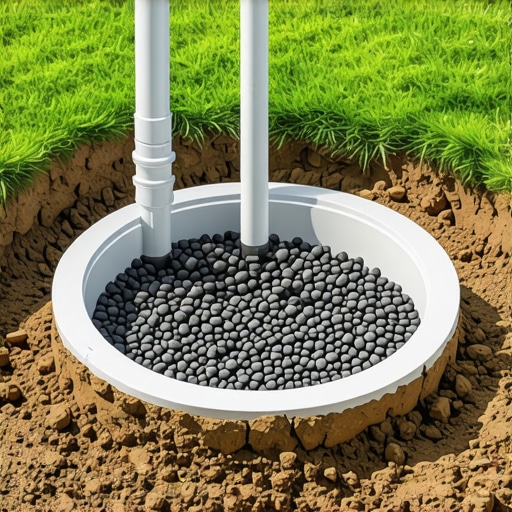
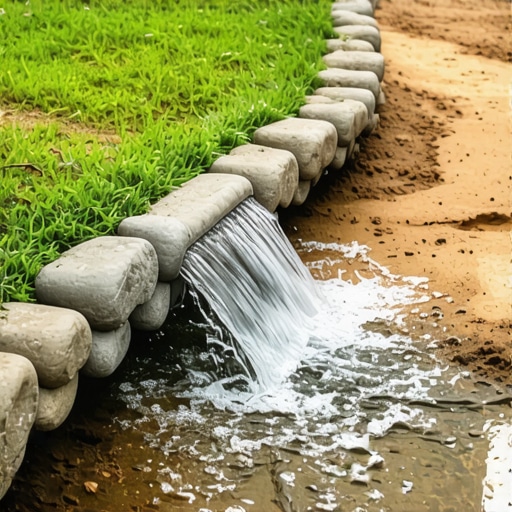
Subsurface drainage systems solve yard puddling by mitigating hydrostatic pressure, which occurs when pore spaces in your soil become 100% saturated with water. By installing a river rock drain or dry creek bed, you effectively lower the water table in specific areas, directing stormwater runoff away from your foundation using gravitational force and high-permeability materials.
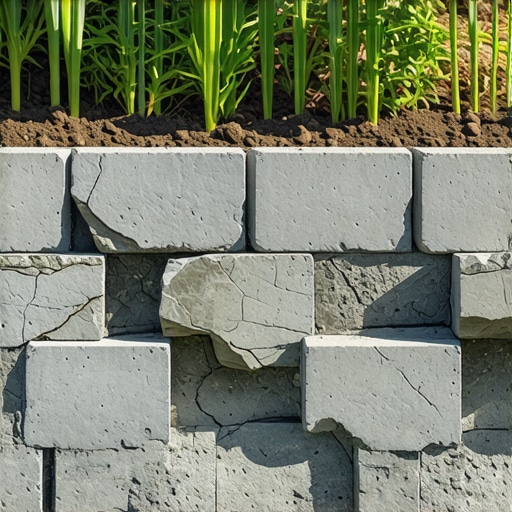
I recently got called out to tear up a $30,000 patio that was sinking because the previous contractor didn’t understand basic hydraulics. He laid the pavers directly over heavy clay without a single drain tile or a drop of modified gravel for a base. Within two seasons, the water trapped behind the retaining wall built up enough pressure to heave the entire structure four inches out of level. It was a total loss. I had to explain to the homeowner that the stone wasn’t the problem; it was the physics of water. Water is lazy. If you don’t give it a pre-determined path to exit your property, it will create its own, usually through your basement or under your expensive hardscaping. This $150 DIY project is the surgical strike against that kind of failure. You aren’t just moving rocks; you are engineering a relief valve for your soil.
The $150 Material Breakdown and Budget Logic
Successfully managing lawn care and landscaping drainage on a budget requires sourcing materials from bulk yards rather than big-box retailers. For a 50-foot trench, 1.5-inch river rock and non-woven geotextile fabric are your primary expenses. Avoid woven fabric for drainage; it is designed for weed suppression and has poor hydraulic conductivity. You need the stuff that looks like felt.
| Material Item | Quantity for 50ft | Estimated Cost |
|---|---|---|
| 1.5″ Round River Rock | 1.5 Cubic Yards | $85.00 |
| Non-Woven Geotextile (4oz) | 3′ x 50′ Roll | $35.00 |
| 4″ Perforated Drain Pipe | 50 Linear Feet | $40.00 |
| 811 Marking Flags | 1 Pack | $0.00 (Free) |
Don’t skip the 811 call. If you hit a gas line with a pickax, your $150 project becomes a $15,000 emergency. Digging in 2026 will be no different than now: the utility lines aren’t moving, and neither is the water unless you force it. [image_placeholder]
Site Grading and the 1 Percent Rule
Effective garden design starts with grading, ensuring the land slopes away from structures at a minimum 1% to 2% grade. This means for every 10 feet of horizontal distance, the elevation should drop at least one to two inches to prevent hydrostatic buildup against the foundation.
“A retaining wall doesn’t fail because of the stone; it fails because of the water trapped behind it.” – Hardscape Engineering Axiom
This principle applies to your lawn too. If your yard is a bowl, no amount of ‘aeration’ will fix the puddle. You need an exit. We use a transit level or a simple string line to verify the ‘fall’. Without fall, you just built a $150 pond.
How deep should a river rock drain be?
For a standard river rock drain or French drain, you need to excavate at least 12 to 18 inches deep. This allows for a 2-inch bedding of stone, a 4-inch pipe, and 6 to 10 inches of cover stone. Any shallower and the freeze-thaw cycle will push the rocks out of the ground within three years. Deep is better. It forces the roots of surrounding turf to chase moisture lower, creating a more drought-resistant lawn.
Do I need a permit for a French drain?
In most municipalities, a small river rock drain that stays on your property does not require a permit. However, if you plan to discharge that water into the municipal storm sewer or onto a neighbor’s property, you are entering a legal minefield. Check your local drainage codes. Never dump your problem into the neighbor’s lap. That is how lawsuits start.
The Step-by-Step Installation Process
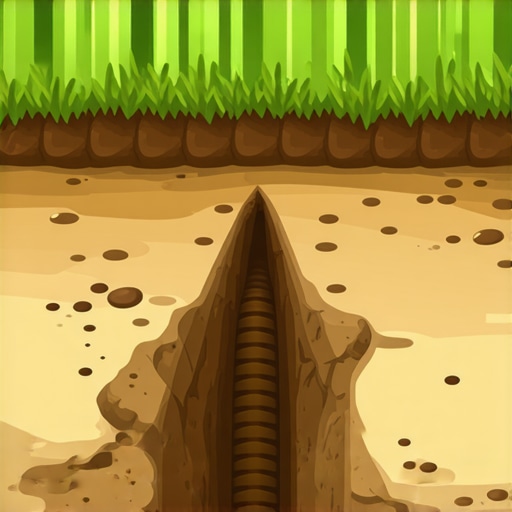
Start by marking your line with marking paint. Dig your trench 12 inches wide. Most guys get lazy here. They dig a ‘V’ shape. Don’t do that. You want a ‘U’ shape to maximize the volume of the stone.
“Proper drainage requires a minimum 1% slope—or a one-eighth inch drop per foot of run—to ensure that gravitational forces exceed the friction of the pipe or stone bedding.” – Penn State Department of Plant Science
Once excavated, line the trench with the non-woven fabric. Leave enough ‘tail’ on the sides to fold it over the top later. This is the ‘burrito’ method. It prevents silt and clay from clogging your rock gaps. If the rock gets clogged with dirt, the drain fails. It becomes a tomb for water.
- Call 811 to mark utilities before any shovel hits the dirt.
- Maintain a 1% minimum downward slope throughout the run.
- Use rounded river rock for high-flow areas; angular stone for structural stability.
- Wrap the entire system in geotextile fabric to prevent siltation.
- Terminate the drain in a pop-up emitter or a natural daylight exit.
Soil Microbiology and the Impact of Standing Water
Standing water is an anaerobic death sentence for soil microbiology. When your yard puddles for more than 24 hours, the beneficial bacteria and fungi that support turf grass health literally drown. In their place, opportunistic pathogens like Pythium and Rhizoctonia (brown patch) thrive. By installing this river rock system, you aren’t just fixing an aesthetic issue; you are preserving the nitrogen cycle in your soil. Compacted, wet soil cannot exchange gases. The roots suffocate. Then you spend $500 on fungicides to fix a problem that started with a $150 drainage issue. Fix the dirt, and the grass takes care of itself. Don’t be a hack. Do the work once, and do it right.

![Build a $300 Cedar Privacy Fence [2026 DIY]](https://lawnmajesty.com/wp-content/uploads/2026/06/Build-a-300-Cedar-Privacy-Fence-2026-DIY.jpeg)