Stop Grubs from Eating Your Lawn with This $30 Treatment
How to Identify a Dying Lawn from Grub Infestation
To identify a grub infestation, look for irregular brown patches that appear in late summer, turf that feels spongy or bouncy when walked upon, and grass that can be pulled up like a rug because the root system is gone. Increased activity from skunks, raccoons, or birds digging in your yard is a secondary confirmation of a high larvae population.
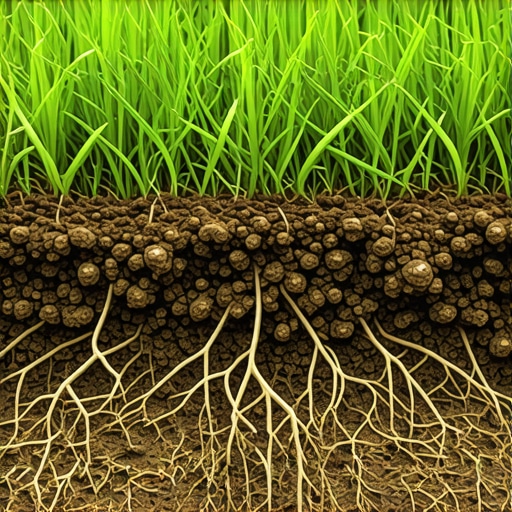
I have seen it a thousand times. A homeowner walks out to their front yard, notices a small brown patch, and assumes they just need more water. They crank up the irrigation, saturating the soil, which actually creates the perfect high-moisture environment for Popillia japonica (Japanese Beetle) larvae to thrive. By the time they realize the grass is dead, they can grab a handful of turf and it lifts right off the soil. No resistance. No roots. Just a writhing mass of C-shaped, creamy-white larvae underneath. It looks like a biological crime scene. This is not just a cosmetic issue; it is a total structural failure of your turfgrass ecosystem. If you let it go, you are not just losing grass; you are losing the 4 to 6 inches of topsoil stability that those roots provided.
The Chemical Nightmare: A Cautionary Tale of Misapplied Nitrogen
A homeowner called me in a panic last August after they completely torched their front lawn by applying a massive dose of high-nitrogen fertilizer in 95-degree heat. They thought they were feeding the grass to outgrow the brown spots. Instead, the high nitrogen levels combined with the existing grub damage caused a massive salt-burn at the soil level. The grass did not just die; it was chemically mummified. When I arrived, the soil pH was spiked, the microbes were dead, and the grubs were actually doing better because the weakened grass was easier to digest. We had to strip three inches of soil, haul it away, and start from scratch. It cost them $8,500 to fix a problem that a $30 preventive bag of Scott’s or Merit could have solved four months earlier. Do not be that person. Understanding the chemistry of your soil is more important than the brand of the spreader you use.
“White grubs represent the most widespread and destructive pests of turfgrass in the United States, causing millions of dollars in damage annually to home lawns and golf courses.” – USDA Agricultural Research Service Bulletin
The Biology of the Kill: Understanding the Grub Lifecycle
Grubs are not a year-round problem in terms of active feeding, but they are a year-round presence in the soil. To stop them for $30, you have to hit the biological window. Most grubs in North America follow a one-year cycle. Adult beetles emerge in June and July, mate, and lay eggs in the soil. By August, those eggs hatch into first-instar larvae. This is when they are most vulnerable. They are tiny, hungry, and close to the surface. If you wait until October, they have grown into third-instar larvae, which are much harder to kill because their body mass can process more toxins before they reach the lethal dose. You are looking for Chlorantraniliprole or Imidacloprid. These are the active ingredients that work. Chlorantraniliprole is the gold standard because it has low impact on non-target beneficial insects like bees, but it is a neuromuscular disruptor for grubs. It stops them from being able to contract their muscles. They stop eating immediately. They starve to death under your feet. It is cold, hard science.
The $30 Preventive Protocol: Materials and Application
The secret to the $30 fix is preventive application rather than curative rescue. A bag of preventive grub control covering 5,000 square feet usually costs between $25 and $35 at any reputable landscape supply house. But the application is where most people fail. You cannot just throw it on the ground and hope for rain. You need to calibrate your spreader to deliver exactly the amount of product specified on the label. Too little and the larvae survive; too much and you risk runoff into the local watershed. Once the granules are down, you must irrigate with at least 0.5 inches of water within 24 hours. This moves the chemical off the grass blade and into the top 2 inches of soil where the eggs are hatching. If the sun hits those granules for three days without water, the UV rays will degrade the active ingredients and you have just wasted $30.
| Treatment Type | Active Ingredient | Typical Cost | Application Window | Primary Effect |
|---|---|---|---|---|
| Preventive | Chlorantraniliprole | $28 – $35 | April – June | Stops eggs from developing |
| Curative | Trichlorfon (Dylox) | $45 – $60 | August – September | Kills active feeding larvae |
| Biological | Milky Spore | $100+ | Anytime | Long-term bacterial colony |
How much water do I need to activate grub killer?
You need exactly half an inch of water to move the grub treatment into the root zone where the larvae reside. Use a rain gauge or a tuna can to measure your sprinkler output. If you do not water it in, the treatment remains on the surface and will not reach the pests.
Can I apply grub control and fertilizer at the same time?
Yes, you can apply grub control and fertilizer simultaneously, provided the fertilizer does not have a high salt index that might stress the grass further. Many professional-grade products come as a