Best 2026 Native Trees for Quick Backyard Shade
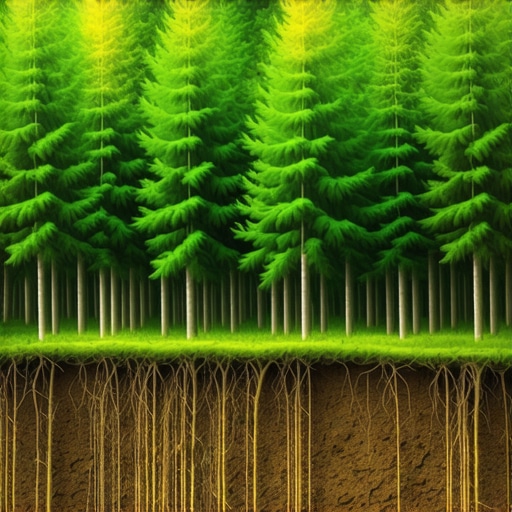
Designing for Canopy: Why Shade Strategy Starts at the Soil Level
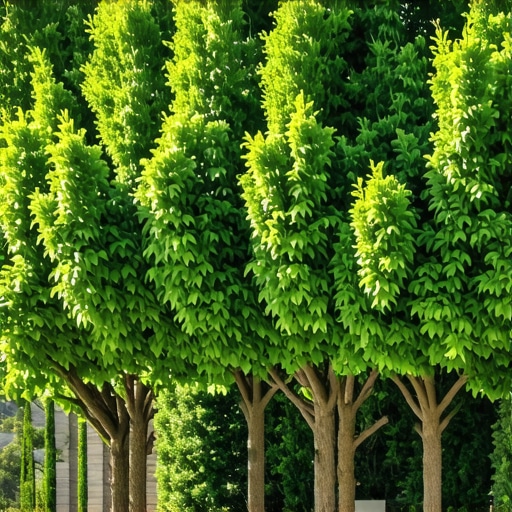
Planning for backyard shade requires a technical understanding of USDA Hardiness Zones, soil pH, and native growth rates to ensure long-term structure. Selecting fast-growing native trees such as the Acer rubrum or Betula nigra provides a cooling canopy while supporting local ecosystems and resisting regional pathogens better than non-native alternatives.
I always drill into my new crew members: if you don’t fix the soil grading first, every plant you put in the ground is just expensive compost. I have seen countless homeowners drop five figures on 4-inch caliper specimen trees only to watch them die because the root flare was suffocated in heavy clay or the drainage was never addressed. Landscaping is not a decoration; it is civil engineering with living components. If your soil has a Cation Exchange Capacity (CEC) that is bottomed out, or if your bulk density is so high that roots cannot penetrate the subsoil, your shade project is dead before the first shovel hits the dirt. We build from the bottom up.
“A tree planted too deep will eventually succumb to stem-girdling roots, which slowly choke the vascular system, preventing the transport of water and nutrients through the xylem.” – Penn State Extension Horticultural Manual
How far from the house should I plant a shade tree?
For most native shade trees reaching a mature height of 50 feet, you must maintain a minimum distance of 15 to 20 feet from the foundation. This prevents root intrusion into sewer lines and reduces the risk of structural damage from falling limbs or hydrostatic pressure changes in the soil.
Top 2026 Native Species for Rapid Growth
Selecting the right species involves balancing growth velocity with wood strength and resistance to local pests found in 2026 climate models. Native trees like the American Sycamore or River Birch offer the fastest biomass accumulation, often growing 2 to 3 feet per year under optimal nitrogen and moisture conditions.
| Tree Species | Growth Rate (Feet/Year) | Soil Type Preference | Mature Spread (Feet) |
|---|---|---|---|
| River Birch (Betula nigra) | 2.0 – 3.0 | Moist, Acidic Loam | 40 – 60 |
| Red Maple (Acer rubrum) | 1.5 – 2.5 | Diverse / Well-Drained | 30 – 50 |
| American Sycamore (Platanus occidentalis) | 3.0+ | Deep, Moist Alluvial | 70 – 90 |
| Tulip Poplar (Liriodendron tulipifera) | 2.0 – 3.0 | Rich, Humus-Heavy | 40 – 50 |
The American Sycamore is a beast for shade, but it needs space. If you have a small suburban lot, do not plant one. It will lift your sidewalk. Instead, look at the Red Maple. It provides a dense canopy and handles the freeze-thaw cycles of the north or the humidity of the south with equal grit. The key is monitoring the internal drainage of your site. If water sits for more than 12 hours after a rain, you are looking at anaerobic conditions that will rot the roots of anything but a Bald Cypress or River Birch.
[image_placeholder_1]
The Engineering of a Planting Hole
A successful installation depends on the geometry of the excavation and the preservation of the root flare rather than the depth of the hole. You should dig a hole three times the width of the root ball but no deeper than the root ball itself to prevent soil settling and trunk rot.
- Step 1: Locate the Root Flare. Remove excess soil from the top of the root ball until the first structural root is visible.
- Step 2: Excavate a Wide Hole. Use a spade to create sloped sides, which allows roots to penetrate the uncompacted surrounding soil easily.
- Step 3: Score the Sides. If you have heavy clay, the sides of the hole will become glazed. Use a hand tool to break this surface so roots aren’t trapped in a ‘clay pot.’
- Step 4: Backfill with Native Soil. Do not heavily amend the hole with peat or potting soil; this creates a moisture interface problem where roots refuse to leave the ‘good’ soil.
- Step 5: Mulch Correctly. Apply 2-3 inches of wood chips in a wide circle. Keep it 4 inches away from the bark. No mulch volcanoes.
“Roots do not grow down; they grow out, following the path of least resistance and seeking oxygen in the upper 12 to 18 inches of the soil profile.” – International Society of Arboriculture (ISA) Best Practices
How much water does a new shade tree need?
New trees require 5 to 10 gallons of water per inch of trunk diameter, delivered slowly through drip irrigation or a gator bag twice a week. Frequent, shallow watering is a failure; it encourages surface roots that will eventually buckle your hardscaping and die during the first August drought.
Hardscape Integration and Root Management
Integrating large trees with garden design requires managing the physical space between roots and structures like patios or retaining walls. Using linear root barriers made of high-density polyethylene (HDPE) can redirect root growth downward, protecting your 12-inch modified gravel base from upheaval.
If you are building a patio near a new tree, do not use a standard poured concrete slab. Use permeable pavers. Permeable systems allow oxygen and water to reach the soil below, keeping the tree healthy and reducing the hydrostatic pressure that causes traditional masonry to crack. I have seen $40,000 patios ruined in five years because someone planted a Willow Oak three feet away. It is a mess. Use common sense. Respect the mature drip line of the tree. If the tree grows to a 40-foot spread, that is where the majority of the feeder roots will be located.
2026 Maintenance: Beyond the Install
Year one is about survival; year three is about structure. Do not fertilize a newly planted tree with high-nitrogen spikes. This forces top growth that the damaged root system cannot support. Instead, focus on mycorrhizal inoculants to build a symbiotic fungal network that helps the tree absorb phosphorus and water. Pruning should be minimal in the first two years. Only remove dead, damaged, or crossing limbs. The tree needs every leaf it has to produce the photosynthates required for root establishment. It is a biological factory. Let it work. Watch for pests. Check the pH every spring. A slightly acidic soil (6.0 to 6.5) is the sweet spot for most native hardwoods. If your pH is 7.5, your Maples will turn yellow (chlorosis) and die. Fix the chemistry or pick a different tree. Stop fighting the land. Working with the existing biology is the only way to win.