Best Grass for Shaded Dog Runs in 2026
The Forensic Autopsy of a Failed Shaded Dog Run
The ground doesn’t lie. I recently spent three days excavating a backyard where the owner had spent five figures on premium sod only to have it turn into a black, anaerobic sludge within four months. This wasn’t a failure of the grass itself, but a failure of the engineering beneath it. The previous contractor had ignored the clay content of the soil and the 400-pound Great Dane that patrolled the fence line. When you combine heavy shade, high-nitrogen liquid waste, and 2000 PSI of paw pressure per square inch, standard lawn care advice goes out the window. The soil was so compacted that oxygen couldn’t reach the roots, essentially suffocating the turf from the bottom up. Most people think they have a grass problem when they actually have a soil gas exchange problem.
Why Traditional Turf Fails in Shaded Dog Runs
High-traffic shaded areas fail because limited photosynthesis prevents turf from recovering from physical compaction and urine-induced nitrogen burn. Most owners pick shade-tolerant seeds that aren’t dog-tolerant, leading to soil anaerobic conditions and root rot within one season. In a shaded environment, the grass is already operating at a caloric deficit. It cannot produce the carbohydrates necessary to repair cellular damage from a dog’s claws or the high salt index of canine waste. If the soil pH isn’t dialed in, the nitrogen in the urine becomes toxic rather than a fertilizer. It will rot. Don’t skip the soil test.
“A lawn in the shade has a much lower threshold for stress recovery because its carbohydrate reserves are constantly depleted just to maintain basic respiration.” – Agronomy Manual for Professional Turf Managers
Top Grass Varieties for High-Traffic Shade in 2026
The best performers for 2026 are Turf-Type Tall Fescue (TTTF) for moderate shade or Fine Fescues for deep shade, though recent data favors Microclover hybrids for their superior nitrogen resilience. These cultivars are bred for high tiller density, meaning they pack more blades into every square inch to resist physical shearing. TTTF, specifically the newer 5th-generation cultivars, develops a massive root system that can reach 3 feet deep, allowing it to bypass surface-level salt accumulation from dog urine. Fine fescues like Hard Fescue or Chewings Fescue handle the low-light better but require better drainage to prevent crown rot.
| Grass Variety | Shade Tolerance | Urine Resistance | Wear Recovery |
|---|---|---|---|
| Turf-Type Tall Fescue | Moderate | High | Moderate |
| Hard Fescue | High | Low | Low |
| Microclover (Hybrid) | Moderate | Extreme | High |
| Rough Bluegrass (Poa Triv) | Extreme | Low | Low |
How much sun does a shaded dog run actually need?
For a dog run to survive, you need a minimum of 4 hours of dappled sunlight or 2 hours of direct sun. If you have less than that, no biological turf will survive the mechanical stress of a dog. In those cases, you must look at hardscaping or permeable surface solutions. Most people overestimate their sun exposure. Use a light meter. Get the real numbers.
What is the most durable grass for dogs?
For 2026, the industry is moving toward rhizomatous tall fescues (RTF). Unlike standard fescue that grows in bunches, RTF sends out underground runners to fill in bare spots. This is critical for dog runs because it allows the lawn to self-repair after a dog digs or skids. Without rhizomes, every bare spot requires manual overseeding. It saves time. It saves money.
The Engineering of a Dog Run: Beyond the Seed
Successful shaded turf depends on Subsurface Gas Exchange and Cation Exchange Capacity (CEC). If your soil is 40 percent clay, the dog’s weight will collapse the macropores, trapping ammonia and killing the roots. You must amend the soil with 2 to 3 inches of calcined clay or zeolite to maintain pore space under pressure. This isn’t just gardening; it is civil engineering for your backyard. If the water doesn’t move vertically through the soil at a rate of 1 inch per hour, the grass will drown in the dog’s waste. Surface drainage is not enough.
“Compaction is the primary killer of urban turfgrass, reducing oxygen levels to the point where root growth ceases entirely.” – Penn State Center for Turfgrass Science
The Shaded Dog Run Installation Checklist
- Test soil pH and adjust to 6.5 to 7.0 for optimal nitrogen processing.
- Excavate 4 inches of soil and replace with a 70/30 mix of sand and organic compost.
- Install a French drain if the grade is less than 2 percent.
- Select a seed mix with at least 10 percent Microclover to buffer nitrogen spikes.
- Use a core aerator twice a year to combat paw-induced compaction.
- Set mower height to 3.5 or 4 inches to maximize leaf surface for photosynthesis.
Maintenance: The 1-Inch Rule
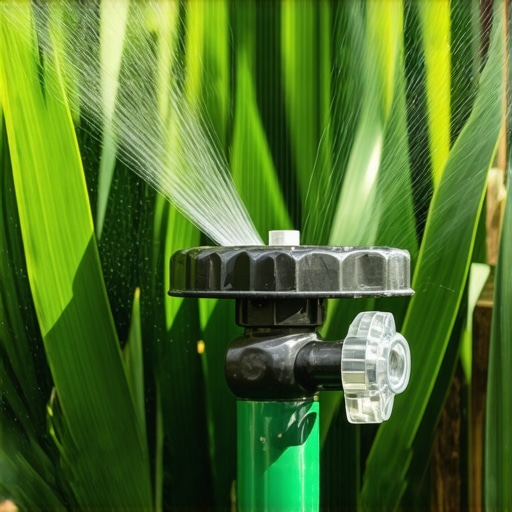
Deep, infrequent watering is the only way to save a shaded dog run. You need exactly 1 inch of water per week, delivered in one or two sessions. This forces the roots to chase the moisture deep into the soil, away from the high-salt surface layer. Frequent light watering keeps the salts at the crown of the grass, which will lead to chemical burn. You are training the roots. If they stay shallow, they die in the heat. Stop watering every day. It kills the grass.
![Stop 2026 Slut Seeding Mistakes [Better Germination]](https://lawnmajesty.com/wp-content/uploads/2026/07/Stop-2026-Slut-Seeding-Mistakes-Better-Germination.jpeg)