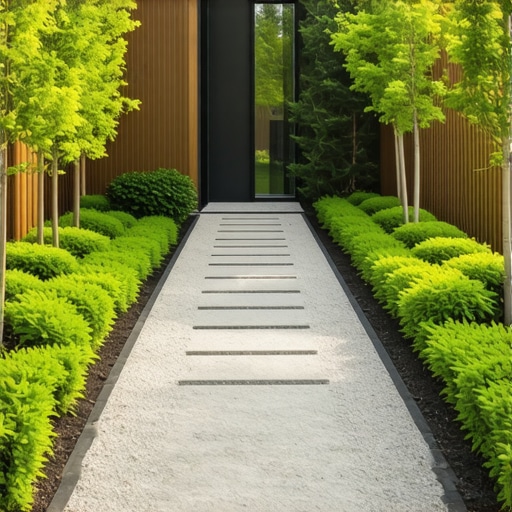
Build a $200 2026 Gravel Path for Modern Backyard Entry
Engineered Gravel Path: A $200 Professional Entry for 2026
I recently got called out to tear up a $30,000 patio that was sinking because the previous contractor thought he could skip the compaction phase on a heavy clay subgrade. Watching that much money get excavated because someone wanted to save four hours of labor with a plate compactor is why I have no patience for hacks. When we talk about building a gravel path for a modern backyard entry, we are not just throwing rocks on the ground. We are managing hydrostatic pressure, soil movement, and hydraulic conductivity. If you want a path that stays level for a decade instead of washing away in the first spring thaw, you have to respect the physics of the base layer. Most homeowners think a $200 budget means a weekend of frustration, but with the right hardscaping principles, that budget buys a permanent structural asset.
The Engineering of a Durable Backyard Entry
Building a gravel path for under $200 requires precision excavation and a deep understanding of soil compaction ratios to prevent settling and weed intrusion. You must focus on the sub-base preparation rather than the decorative top layer, using a geotextile fabric to separate the native soil from your structural aggregate. This prevents the stone from being swallowed by the earth during freeze-thaw cycles. It will fail if you skip the fabric. Don’t skip it.
The Science of the Sub-Grade
Before you touch a shovel, you need to know what you are digging into. If you have heavy red clay, your drainage is poor, and your path will turn into a canal without proper grading. Sandy loam offers better drainage but less structural stability. We aim for a 1% to 2% slope away from the home’s foundation to ensure surface runoff doesn’t undermine your modern backyard entry. You need to calculate your PSI (pounds per square inch) requirements if you plan on wheeling anything heavier than a lawnmower over this path. For a $200 budget, we are looking at a 20-foot long path at 3 feet wide. That is 60 square feet of engineering.
“A retaining wall doesn’t fail because of the stone; it fails because of the water trapped behind it.” – Hardscape Engineering Axiom
Material Costs and Breakdown
| Material | Quantity | Estimated Cost |
|---|---|---|
| 3/4-inch Minus Crushed Aggregate | 1.5 Tons | $60.00 |
| Woven Geotextile Fabric (4oz) | 75 Sq Ft | $35.00 |
| Steel Edging (Black) | 40 Linear Ft | $75.00 |
| 3/8-inch Pea Gravel (Top Layer) | 0.5 Tons | $30.00 |
Notice I specified 3/4-inch minus for the base. The ‘minus’ means it includes the dust and fines. When compacted, these fines lock the larger stones together, creating a surface that is nearly as hard as concrete. If you use clean stone for a base, it will never compact. It will shift. You will trip.
How much modified gravel do I need for a path base?
To calculate the required aggregate tonnage, multiply your square footage by your desired depth in feet, then multiply by 0.05 to get tons. For a 4-inch base on a 60-square-foot path, you need approximately 1.2 tons of crushed stone. Always round up by 10% to account for compaction loss. Most DIYers under-order, leading to a thin base that cracks under hydrostatic pressure. A 4-inch compacted base is the industry minimum for a stable pedestrian walkway. Anything less is just a suggestion of a path. It will sink.
The Installation Protocol
Success in landscaping is 80% prep and 20% finish. You start by marking your utility lines. Call 811. If you hit a lateral line for your sewer or a shallow-buried cable, your $200 project just became a $2,000 nightmare. Once clear, excavate to a depth of 5 inches. This allows for 3 inches of compacted base, 1 inch of decorative gravel, and 1 inch of ‘reveal’ for your edging.
- Step 1: Excavation: Remove all organic matter (grass, roots). Soil must be ‘virgin’ subsoil.
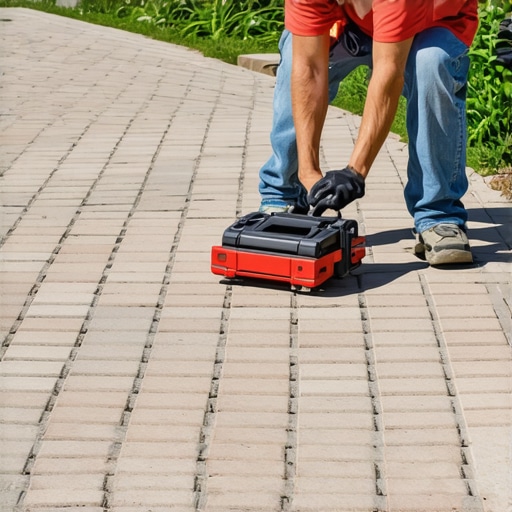
- Step 2: Sub-Grade Compaction: Use a hand tamper or rent a plate compactor. The ground should not yield under your weight.
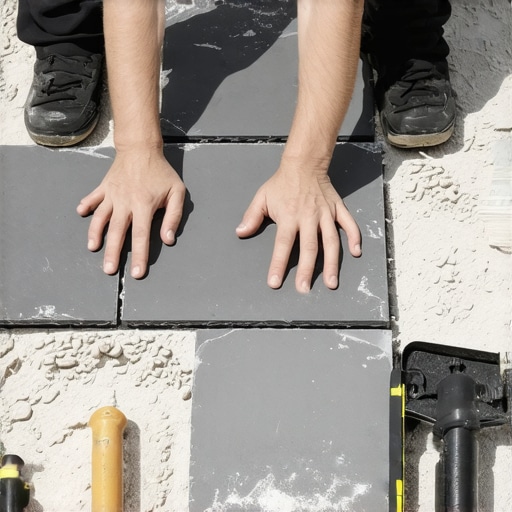
- Step 3: Geotextile Layment: Lay the fabric flat. No wrinkles. This is your separation layer.
- Step 4: Base Installation: Spread the 3/4-minus in 2-inch lifts. Wet it down. Compact it. Repeat.
- Step 5: Edging: Secure steel edging with 12-inch spikes. This prevents lateral migration of the stone.
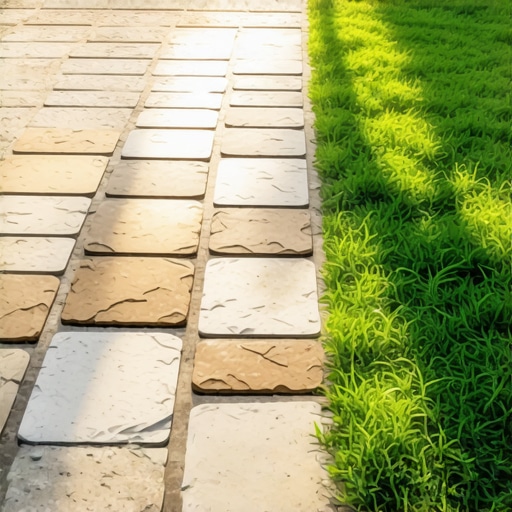
- Step 6: Top Dressing: Apply your decorative gravel. Keep it to 1 inch depth. Too deep and it feels like walking on beach sand.
What is the best gravel for a modern backyard walkway?
For a modern backyard entry, you want a 3/8-inch angular chip or a washed pea gravel with high color consistency. Angular stone, like decomposed granite or crushed basalt, locks together better than round river rock. Round stones act like ball bearings; they roll when you step on them. This is a common garden design mistake. Angular stone stays put. It provides a stable walking surface that complies with ADA accessibility standards if compacted correctly.
“Soil compaction is the most critical and most neglected phase of any hardscape installation.” – ICPI Tech Spec No. 2
The Long-Term Maintenance Cycle
While the internet tells you to water every day, turf grass and surrounding landscape beds actually need deep, infrequent watering—exactly 1 inch per week—to force roots to chase the water down. This keeps the soil around your path stable. If you over-water the areas adjacent to your gravel path, you saturate the sub-grade. This leads to heaving. Every spring, check your edge restraints. If the frost has pushed a spike up, hammer it back down. Add a fresh 1/2-inch layer of decorative stone every three years to keep the UV-exposed layers looking sharp. This is not a ‘set it and forget it’ project. It is a living piece of civil engineering on a residential scale. If weeds appear, it’s usually because organic ‘fines’ have blown in from the top, not grown from the bottom. Use a propane torch or a high-strength vinegar solution rather than glyphosate to maintain the soil microbiology. You want a clean entry, not a dead zone. Stick to the measurements. Trust the compaction. Dig deep.