7 Modern 2026 Backyard Layouts for Small Spaces
Small Space Engineering: The Truth About 2026 Backyard Design
Designing a high-performance backyard in 2026 requires more than a Pinterest board; it demands a deep understanding of site-specific civil engineering and soil microbiology. In a small lot, every square inch must handle double its weight in utility and drainage capacity. Most homeowners think small yards are easier to manage, but they are actually harder because you have no margin for error with water runoff or soil compaction. One bad grade and you are flooding your neighbor’s basement. Stop looking at pretty pictures and start looking at your static load requirements and USDA hardiness zones. This is where we build from the ground up.
The Hardscape Autopsy: Why Small Patios Sink
I recently got called out to tear up a $30,000 patio that was sinking because the previous contractor thought 2 inches of sand was enough for a base on heavy clay soil. It was not. Within eighteen months, the hydrostatic pressure and freeze-thaw cycles had turned that expensive stone into a wavy mess. They skipped the geotextile fabric and used uncompacted crusher run. I had to excavate 8 inches down, install a proper modified gravel base, and run a plate compactor until we hit 95% Proctor density. If you do not respect the physics of the soil, the soil will eventually reclaim your investment. Cheap labor is the most expensive thing you will ever buy in landscaping.
“A retaining wall doesn’t fail because of the stone; it fails because of the water trapped behind it.” – Hardscape Engineering Axiom
1. The Sunken Fire Pit and Drainage Core
The Sunken Fire Pit layout utilizes vertical space to create intimacy while managing site drainage through an integrated sump or French drain system. This design is not just about aesthetics; it is a sub-grade excavation project that requires a 6-inch compacted aggregate base to prevent settling. You must ensure the slope of the surrounding grade moves water away from the pit at a minimum of 2% pitch. I recommend using permeable pavers for the floor to allow capillary action and groundwater recharge. Do not skip the polymeric sand in the joints; it prevents weed intrusion and stabilizes the units against lateral movement. It is a bunker, not a bowl.
2. The Multi-Level Cedar Terrace for Root Health
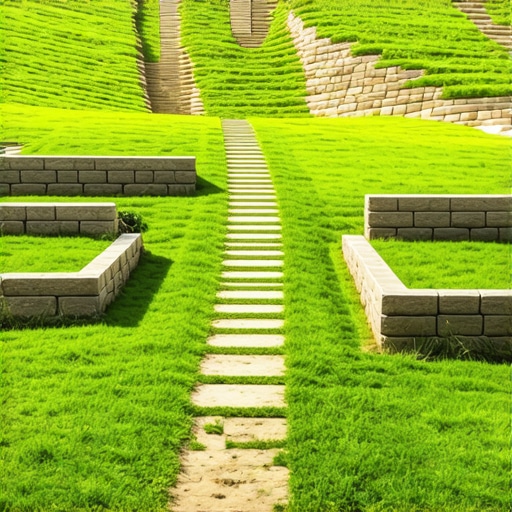
A Multi-Level Cedar Terrace solves the problem of soil compaction in high-traffic small yards by elevating the walking surface above the root zones of sensitive plantings. When you build these, you must use Gound-Contact rated pressure-treated lumber for the frame, even if the decking is cedar or composite. I see too many ‘pro’ crews using standard above-ground timber that rots in three years. Each level should be engineered to allow airflow to the soil below. This prevents the anaerobic conditions that lead to root rot and fungal pathogens. Keep your joist spacing at 12 inches on center if you are using 2026-grade PVC decking to prevent ‘bounce’.
How much modified gravel do I need for a patio base?
To calculate your base material, multiply the square footage by the desired depth in feet, then multiply by 1.35 to account for compaction loss. For a standard 10×10 patio with a 6-inch base, you will need approximately 2.5 to 3 tons of 21A or 57 stone. Never guess on tonnage. Under-ordering leads to thin spots that will eventually heave during the first hard frost. Use a mechanical tamper. Hand tamping is a joke.
3. The Urban Meadow and Native Pollinator Grid
The Urban Meadow layout replaces high-maintenance turf grass with high-density native perennials and ornamental grasses that require zero synthetic fertilizers. For 2026, we are moving away from the ‘golf course’ look which is a biological desert. Instead, we focus on soil pH and microbial activity. You need to test your soil before planting. If your pH is below 6.0, your nitrogen uptake will be stunted regardless of how much you water. Use mycorrhizal inoculants during the planting phase to establish symbiotic fungal networks. This allows plants to share nutrients and survive drought stress better than any ‘big box’ plant ever could.
“Soil health is the foundation of all successful landscapes, requiring a balance of organic matter, pore space, and nutrient availability.” – Penn State Agricultural Extension
4. The Permeable Paver Grid for Stormwater Management
A Permeable Paver Grid is the only logical choice for small backyards in cities with strict impervious surface codes. This layout uses open-graded aggregates (like #8 or #57 stone) in the joints instead of sand to allow 100% of rainfall to infiltrate the ground. This prevents surface runoff and keeps your foundations dry. I tell my clients: you can pay for the drainage now, or you can pay for the foundation repair later. You must maintain these by vacuuming the joints every two years to prevent siltation. If the joints clog, the system fails. It is simple maintenance, but it is mandatory.
5. The Vertical Edible Wall with Drip Irrigation
The Vertical Edible Wall maximizes square footage by moving the garden design to the 3D plane using hydroponic or sub-irrigation modules. In 2026, we utilize smart controllers with evapotranspiration (ET) sensors that adjust watering based on real-time local weather data. Do not use overhead sprayers for vertical walls; the leaf wetness will invite powdery mildew and rust. Use pressure-compensating drip emitters at the top of each row. This ensures the bottom plants get the same milliliters of water as the top plants. Precision is the difference between a harvest and a heap of dead vines.
| Material Type | Expected Lifespan | Maintenance Level | 2026 Cost Index |
|---|---|---|---|
| Permeable Pavers | 25-30 Years | Low (Bi-annual cleaning) | High |
| Thermal Modified Wood | 20 Years | Medium (Staining) | Medium-High |
| Native Meadow Sod | Indefinite | Low (Annual mow) | Low-Medium |
| Composite Decking | 25+ Years | Ultra-Low | High |
6. The Zero-Lawn Xeriscape for High Heat Zones
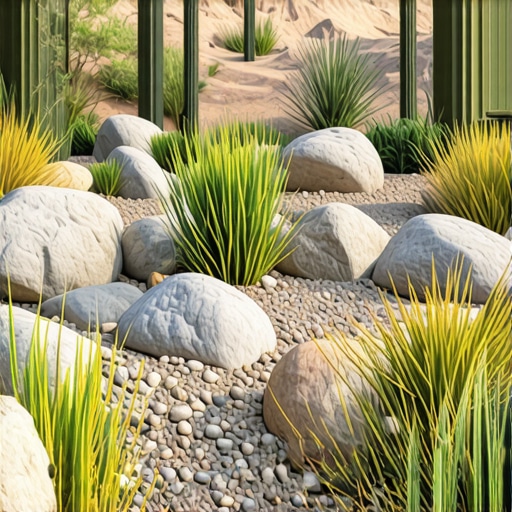
The Zero-Lawn Xeriscape is an arid-climate strategy that uses inorganic mulches, boulders, and drought-tolerant succulents to eliminate the need for lawn care. This is not just throwing rocks on the ground. You must use heavy-duty landscape fabric (not the thin plastic stuff) and a 3-inch layer of river rock or basalt to suppress weeds and retain sub-surface moisture. Focus on textural contrast. Use the Rule of Three for boulder placement to mimic natural outcrops. If you see a contractor ‘drilling’ a hole in a rock to plant a cactus, fire them. They are killing the plant by trapping heat.
7. The Hybrid Entertainment Zone: Utility First
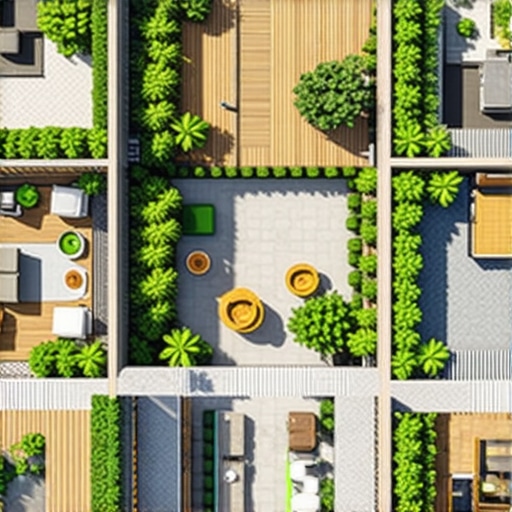
The Hybrid Entertainment Zone is a masterclass in multi-functional landscaping, combining a small artificial turf dog run with a hardscaped dining area. Artificial turf in 2026 must be non-infill or cooling-tech enabled to prevent heat island effects. I only install turf with a 100% permeable backing over a 4-inch decomposed granite base. If you don’t have a base-to-soil interface that can move 30 inches of water per hour, your turf will smell like a kennel within a month. Use antimicrobial infill if you have pets. No exceptions.
Which plants grow best in small, shaded backyards?
In shaded urban environments, you need low-light specialists like Helleborus, Heuchera, and native ferns. These species have adapted to low photosynthetic active radiation (PAR) levels. Avoid sun-loving turf grasses like Kentucky Bluegrass in these spots; they will etiolate (stretch), weaken, and eventually succumb to brown patch or dollar spot. If you have less than 4 hours of direct sun, give up on the grass and go with shade-tolerant groundcovers. It will save you a fortune in fungicides.
- Step 1: Conduct a Perc Test to determine soil drainage rate.
- Step 2: Mark all utility lines via 811 before any excavation.
- Step 3: Establish a finished floor elevation for all hardscapes.
- Step 4: Install sub-surface drainage (4-inch perforated pipe).
- Step 5: Apply compacted aggregate layers in 2-inch lifts.
- Step 6: Set pavers or decking with precise 1/8-inch gaps.
- Step 7: Plant nursery-stock (avoid root-bound big box plants).
![5 Low-Maintenance 2026 Front Yard Layouts [DIY]](https://lawnmajesty.com/wp-content/uploads/2026/06/5-Low-Maintenance-2026-Front-Yard-Layouts-DIY.jpeg)