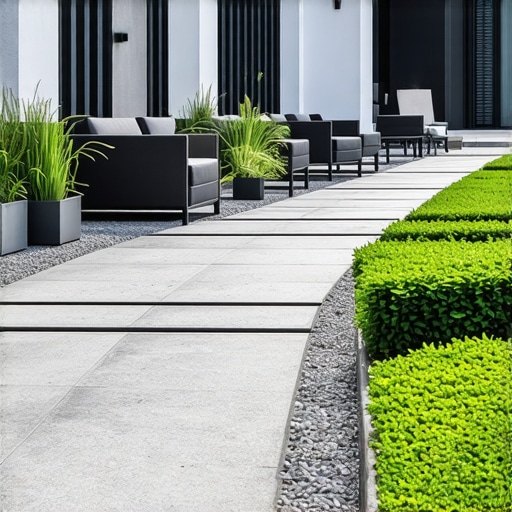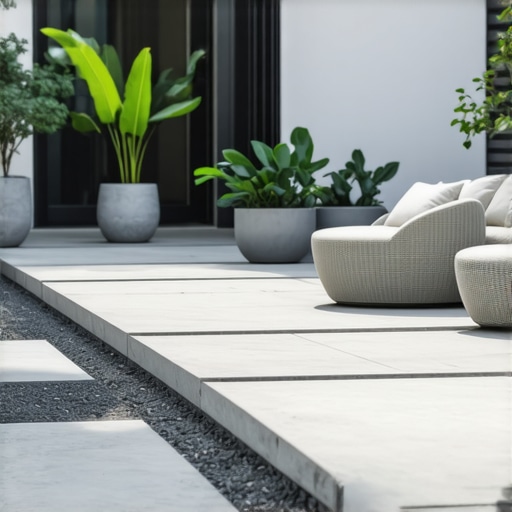
I’ll never forget the moment I realized my backyard was more of a liability than a sanctuary. After pouring endless hours into planting and landscaping, I overlooked one crucial aspect: the hardscape. The dull, outdated stone path and lack of defined spaces made my outdoor area feel chaotic, not inviting. It was only when I attempted to host a small barbecue and found myself tripping over uneven surfaces that I had my lightbulb moment. Hardscaping isn’t just about looks; it’s about creating a functional, stylish, and sustainable outdoor space.
Why Hardscaping Is the Heart of Your 2025 Outdoor Makeover
As I dove into modern outdoor design, I discovered that smart hardscaping is key to transforming a typical yard into a stunning retreat. It’s not enough to have pretty plants—your outdoor space needs structure, durability, and flow. The good news? The latest trends for 2025 focus on sleek, low-maintenance, and eco-friendly solutions that can elevate your entire landscape.
In fact, according to recent reports, innovative hardscaping strategies can increase your property value by up to 12% and significantly improve outdoor usability (source: Lawn Majesty). So, if you’ve ever hesitated because you thought hardscaping was complicated or expensive, I’m here to tell you—there are plenty of modern ideas that are both affordable and straightforward to implement. Ready to ditch the dull and embrace a modern, functional outdoor space? Let’s get started.
Is Hardscaping Actually Worth the Hype? Or Just a Fad?
Honestly, I made the mistake early on of thinking that hardscaping was just decorative filler—something to add a bit of flair without real purpose. I spent money on flashy stones and fancy pavers without considering how they fit into my overall design or how they would hold up over time. The result? Cracked walkways and a disjointed look that felt more like a patchwork than a cohesive space. It taught me that effective hardscaping isn’t just about aesthetics; it’s about combining beauty with durability and function. If you’ve faced similar doubts, I get it. But trust me, the right hardscaping ideas can truly transform your outdoors into a modern masterpiece. Want to see how? Check out the latest hardscaping ideas for 2025.
Lay a Strong Foundation with Strategic Planning
Start by assessing your backyard’s current layout and identifying problem areas like uneven surfaces or poor drainage. I remember during my first attempt, I skipped this step and ended up redoing part of my hardscape a few months later. Use graph paper or landscaping software to sketch your ideas, considering pathways, patios, and focal points. This planning phase ensures your hardscape complements your overall landscape, making the transformation seamless and effective. For inspiration, explore hardscaping strategies for 2025.
Choose Durable, Low-Maintenance Materials
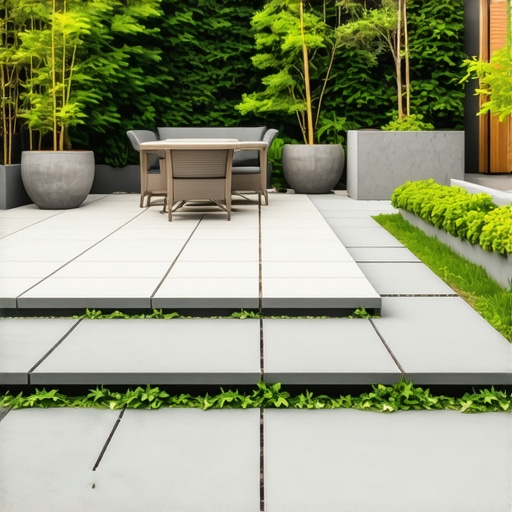
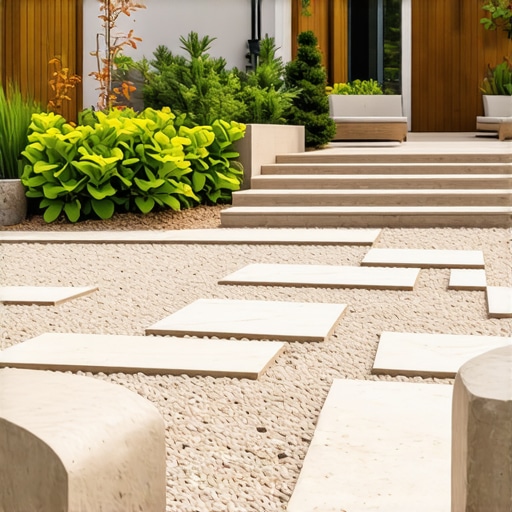
Opt for modern materials that stand up to weather and require minimal upkeep. Concrete pavers, for example, mimic natural stone but are more affordable and easier to install. I once replaced my cracked old concrete with interlocking pavers, which instantly elevated the look and reduced my maintenance. Consider permeable options like permeable pavers or gravel for eco-friendly drainage solutions. These choices will save you time and money while keeping your outdoor space stylish. For more ideas, visit hardscaping ideas for 2025.
Design Pathways with Purpose
Pathways should guide visitors naturally and add visual interest. Use contrasting materials or colors to create focal points along the route. I experimented with a winding brick pathway through my garden, which not only made navigation easier but also served as a visual feature. Incorporate lighting along pathways for safety and ambiance—solar-powered LED lights are a popular modern choice. Think of pathways as the veins of your landscape, connecting different zones smoothly. Check out modern landscaping ideas for more tips.
Create Focal Points with Statement Features
Adding a fire pit, water feature, or sculptural element can anchor your design. I once installed a sleek, modern fire pit that became the centerpiece of gatherings. Use these features to draw attention and create a cozy, inviting atmosphere. Material choices should match your overall aesthetic—think matte black metal or smooth concrete for a contemporary look. Position focal points thoughtfully to maximize their visual impact and usability. For more inspiration, explore hardscaping ideas for 2025.
Integrate Greenery for Balance and Style
Hardscaping doesn’t mean abandoning plants; it’s about balancing hard surfaces with lush greenery. Use raised beds, vertical gardens, or potted plants to add texture and color. I added modern, minimalist planters alongside my new patio, which softened the space and brought in vibrant plants. Consider native species for sustainability and ease of care. Combining hardscapes with greenery creates a layered, inviting environment that feels cohesive and modern. For more ideas, see landscape design tips.
Prioritize Lighting for Safety and Ambiance
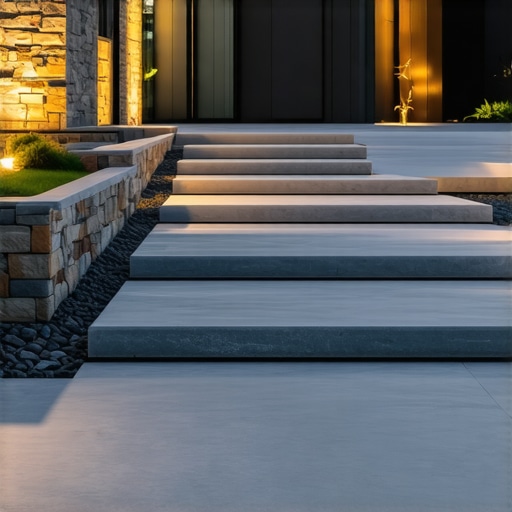
Effective lighting transforms your outdoor space after sunset, highlighting hardscape features and ensuring safety. Use a mix of uplights, path lights, and accent lights. I installed sleek, low-voltage LED fixtures that accentuate my new stone steps and create a warm glow. Lighting not only enhances aesthetics but also extends usability into the evening. Think about smart lighting options that can be controlled remotely for added convenience. For more ideas, explore hardscaping trends for 2025.
Many homeowners jump into hardscaping with high hopes but often fall prey to misconceptions that can hinder their success. One of the most widespread myths is that hardscaping is purely decorative or an unnecessary expense. In reality, effective hardscaping enhances durability, usability, and even increases property value, especially when you select materials suited for your climate and landscape. A common mistake is underestimating the importance of thorough planning. Skipping this step can lead to uneven surfaces, poor drainage, or features that don’t align with your overall design, wasting time and money. To avoid this, start with a detailed assessment and use tools like landscaping software to visualize your ideas. For inspiration and expert strategies, check out hardscaping strategies for 2025.
Another misconception is that hardscaping materials are one-size-fits-all. Many assume traditional concrete or stone will work everywhere, but this overlooks vital nuances like permeability, weather resistance, and maintenance needs. For example, permeable pavers can help manage stormwater runoff and are ideal for eco-conscious designs. Choosing the wrong materials can lead to cracking, shifting, or high upkeep costs over time. An advanced mistake is ignoring the importance of integrating softscape elements with hardscape features. Hardscaping should not dominate but complement greenery for a balanced, inviting landscape. Native plants, vertical gardens, and potted selections can soften hard surfaces and create visual interest. For sophisticated ideas, explore landscape design tips.
Ever wondered how to make pathways both functional and stunning? The secret lies in purposeful design. Winding paths, contrasting materials, and integrated lighting can add both safety and aesthetic appeal. But beware of over-complicating your layout—an overly intricate path can disrupt flow and make maintenance difficult. Think about how pathways connect different zones naturally and consider modern lighting options like solar LEDs for ambiance and safety. This attention to detail turns simple walkways into key design features.
Have you ever fallen into this trap? Let me know in the comments.
How do I maintain my hardscape over time?
Maintaining your hardscape is crucial to preserving its beauty and functionality, especially as trends evolve and new materials emerge. I personally rely on a combination of professional tools and consistent routines to ensure my outdoor surfaces stay in top shape. One of my favorite tools is a high-powered pressure washer, which I use carefully to remove dirt and debris from pavers and concrete surfaces without causing damage. For delicate features like water fountains or sculptures, I prefer soft brushes and eco-friendly cleaning solutions to prevent erosion or discoloration.
Regular inspections are vital—checking for cracks, loose stones, or shifting pavers allows you to address issues before they escalate. I schedule these inspections biannually, often in spring and fall, to catch seasonal wear and tear. For repairs, I use a quality polymeric sand to fill joints and stabilize pavers, which I’ve found significantly extends the lifespan of my hardscapes. When it comes to sealants, I opt for breathable, UV-resistant products that protect surfaces from weathering while allowing moisture to escape, preventing damage over time.
Looking ahead, I predict the trend toward eco-friendly and self-sustaining hardscaping solutions will grow, with more homeowners adopting permeable materials and smart maintenance systems. These innovations will simplify long-term upkeep and contribute to sustainable landscapes. To keep your hardscape looking pristine, I recommend integrating smart sensors that monitor moisture levels and surface integrity, alerting you to potential problems early. These tech-forward strategies not only save you money but also ensure your outdoor space remains stunning year-round.
Try Using a Water-Based Sealant for Long-Lasting Protection
One advanced tip I swear by is applying a water-based, breathable sealant every few years. Unlike solvent-based options, this kind of sealant allows moisture to escape, reducing the risk of mold, mildew, or surface cracking. It also enhances color vibrancy and adds a UV shield, keeping your hardscape looking fresh. For detailed instructions and product recommendations, check out this guide on hardscaping maintenance.
If you haven’t tried this, I highly suggest giving it a shot—it’s an easy upgrade that yields impressive results over time. Proper maintenance isn’t just about aesthetics; it’s about ensuring your investment stands the test of time and keeps your outdoor space functional and beautiful. Stay consistent with your upkeep, and your hardscape will reward you with years of enjoyment.
The Hardest Lesson I Learned About Hardscaping
One of my biggest lightbulb moments was realizing that hardscaping is not just about aesthetics but about creating a resilient, functional outdoor environment. I initially thought flashy stones and pavers were enough, but neglecting proper planning and material choice led to costly mistakes. Now I know that understanding your climate and landscape needs is crucial for long-term success.
Three Myths About Hardscaping That Held Me Back
Myth one: Hardscaping is purely decorative. The truth is, well-designed hardscapes improve durability and usability. Myth two: All materials are the same. In reality, selecting the right materials, like permeable pavers for eco-friendly drainage, can make a huge difference. Myth three: Planning isn’t necessary. Skipping this step led me to uneven surfaces and drainage problems, emphasizing the importance of thorough assessment and visualization before starting.
What Experts Won’t Tell You About Hardscaping
Many overlook the importance of integrating greenery with hardscape features. Softscape elements like native plants and vertical gardens soften hard surfaces and elevate the overall aesthetic. Additionally, smart maintenance—like applying breathable sealants and monitoring surface integrity—can extend your hardscape’s lifespan significantly. Trusting industry insights and ongoing education from sources like Lawn Majesty has been invaluable.
My Essential Toolkit for Hardscaping Success
I rely on high-quality tools like pressure washers and eco-friendly cleaning solutions to maintain my surfaces. Landscape visualization software helps me plan layouts effectively, ensuring my hardscape complements my softscape. When choosing materials, I trust brands specializing in permeable pavers and UV-resistant sealants, which I found to be long-lasting and eco-conscious. These resources, combined with expert advice, make hardscaping both manageable and rewarding.
Where to Go from Here
Now is the perfect time to start your own outdoor transformation. Whether you’re revamping pathways, creating focal points, or integrating greenery, the key is thoughtful planning and selecting the right materials. Don’t hesitate to explore innovative ideas like smart lighting and sustainable materials to elevate your space. Dive into more inspiration at hardscaping ideas for 2025 and take the first step toward your dream outdoor retreat.
Your Turn to Try
What hardscaping feature are you most excited to incorporate into your outdoor space? Share your ideas or questions below—I’d love to hear your plans for creating a modern, functional yard that reflects your style!
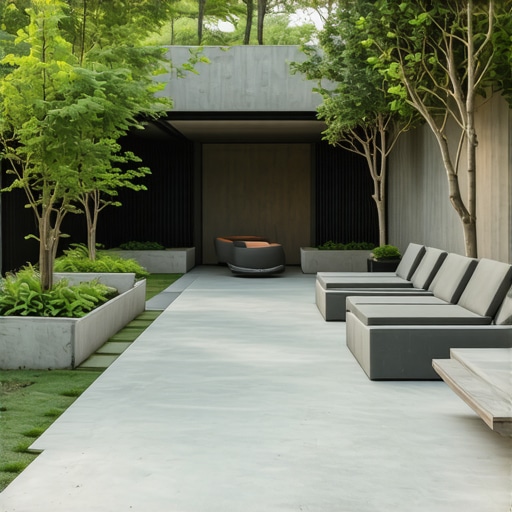
![4 Modular Wall Fixes for Sloped 2026 Backyards [Proven]](https://lawnmajesty.com/wp-content/uploads/2026/02/4-Modular-Wall-Fixes-for-Sloped-2026-Backyards-Proven.jpeg)