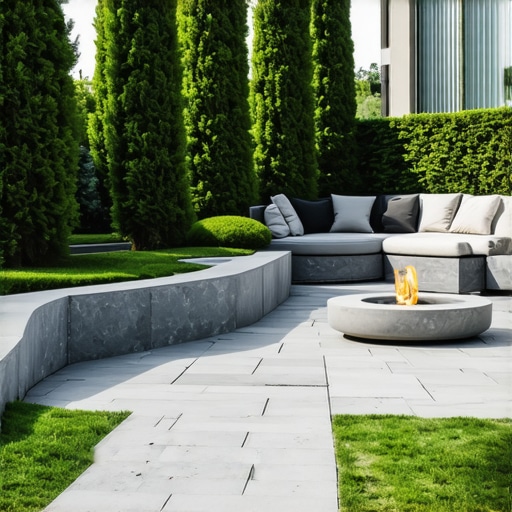
Ever stood in your backyard, feeling that nagging disappointment? Maybe it’s the cracked patio, the outdated fire pit, or just the feeling that your outdoor space isn’t quite the oasis you dreamed of. I’ve been there. I remember pouring money into garden beds and lush lawns, only to realize that the real transformation comes from the hardscape elements—those solid, structural features that define your yard’s character.
Why Hardscaping Is the Secret Weapon for a Stunning Outdoor Makeover
In my early days of tackling outdoor projects, I made a big mistake. I focused solely on planting flowers and neglecting the importance of durable, stylish hardscape features. It wasn’t until I added a sleek new patio and modern pathways that I saw my yard truly come alive. Hardscaping isn’t just about aesthetics; it’s about creating a functional, inviting space that lasts. Experts agree—by 2025, innovative hardscaping ideas will be essential for homeowners aiming for a contemporary, low-maintenance outdoor retreat. Want to see how I did it? Check out this guide for the latest trends and ideas.
Is Hardscaping Actually Worth the Hype
Honestly, I was skeptical at first. Hardscaping can seem expensive and complicated. But let me tell you, the right choices—like permeable pavers, modern fire features, or sleek retaining walls—can elevate your yard for years to come. My early mistake was choosing cheap materials that didn’t stand the test of time, which ended up costing me more in repairs. So, if you’re worried about making the right investment, you’re not alone. That’s why I’ve gathered the best insights to help you avoid my pitfalls and create a stunning, modern outdoor space in 2025. Ready to get started? Let’s dive into the top trends and ideas that will shape your outdoor sanctuary.
Lay the Foundation with a Clear Plan
Start your hardscaping journey by sketching a detailed layout of your outdoor space. Think of it as designing a blueprint before building a house; it helps you visualize the flow and identify essential features like patios, pathways, and retaining walls. I remember laying out my backyard on graph paper, shifting elements around until I found the perfect balance between functionality and aesthetics. This step ensures you don’t waste resources on impulsive choices.
Choose the Right Materials for Durability and Style
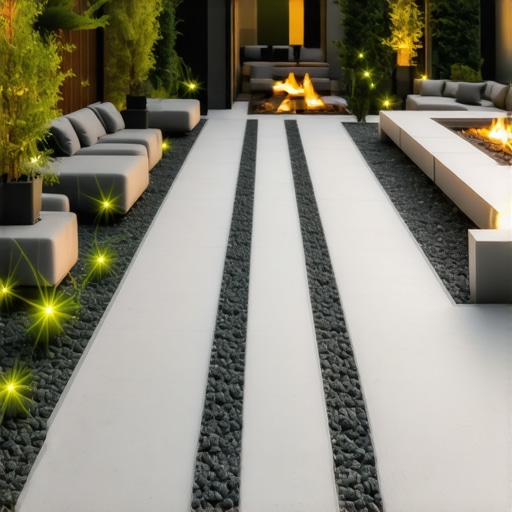
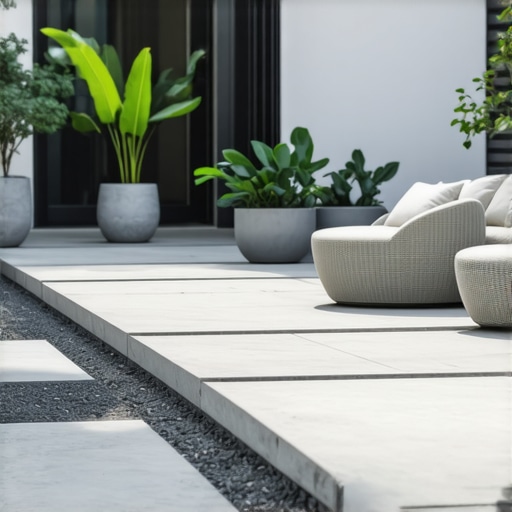
Select materials that match your landscape’s style and climate. For instance, permeable pavers are excellent for drainage and eco-friendliness, making them a top choice for modern designs. I opted for sleek concrete slabs for my patio, which provided a minimalist, contemporary look. When selecting materials, consider their maintenance needs and longevity. Visit this guide for the latest trends and ideas to inspire your choices.
Prepare Your Site with Precision
Correct site preparation is crucial for a lasting hardscape. Clear the area of existing vegetation and debris, and then level the ground using a plate compactor. Think of this as preparing a sturdy foundation for a building. I learned this the hard way when I skipped proper leveling—my patio developed cracks within a year. Using a laser level or string lines can help you achieve a perfectly flat surface, which is essential for installing pavers or slabs evenly.
Digging and Excavation
Dig out the area to the required depth, accounting for base materials. For pathways, a depth of about 4-6 inches is typical; for patios, 6-8 inches. I remember excavating my yard with a rented mini-excavator, which sped up the process and reduced back-breaking work. Proper excavation prevents settling and shifting later, ensuring your hardscape remains stable over the years.
Lay the Base for Stability
Apply a layer of crushed stone or gravel as a base, then compact it thoroughly. This acts like a shock absorber, preventing shifting and sinking. I used a tamper to compact the gravel, similar to how you pack snow for a snowball—firm and even. This step is essential for walkways and patios to withstand foot traffic and weather changes.
Adding a Sand Layer
Spread a layer of coarse sand over the compacted base. Screed the sand to create a level surface, which will support your pavers or slabs. Think of it as smoothing the icing on a cake. I used a straightedge and a level to ensure a uniform surface, which made laying the pavers much easier and resulted in a professional finish.
Install Your Hardscape Features
Lay your pavers, stones, or slabs carefully, starting from a corner and working outward. Use spacers for even joints and tap each piece into place with a rubber mallet. When installing my patio, I worked systematically, verifying levelness frequently. For curving pathways, lay the stones gradually to follow your design plan, adjusting as needed.
Edge Restraints and Final Adjustments
Secure edges with restraints to prevent movement. Fill joints with sand or polymeric materials, then sweep and compact. These details lock your hardscape in place and improve its appearance. I found that filling joints thoroughly prevented weed growth and increased stability, making maintenance easier.
Finish with Proper Sealing and Landscaping
Seal your hardscape if recommended by the material manufacturer to enhance durability and color. Complement your hardscape with modern landscaping—think sleek plant beds, minimalist lighting, and low-maintenance lawn care. This holistic approach transforms your yard into an integrated outdoor living space. For ideas on elevating your garden design, visit this article.
Many homeowners dive into hardscaping, landscaping, or lawn care with good intentions but often fall into pitfalls that compromise the final result. One of the biggest myths I’ve encountered is the idea that hardscaping is a quick fix or purely aesthetic upgrade. In reality, skipping the nuanced planning stages—like detailed site analysis or choosing the right materials—can lead to costly mistakes. For example, using porous materials without considering drainage can cause water pooling and structural damage over time. It’s crucial to understand that every material has specific properties and suited applications; for instance, permeable pavers are excellent for eco-friendly designs but require proper installation to function correctly, as discussed in this guide.
Another common misconception is that lawn care is just about watering and mowing. This oversimplification ignores the importance of soil health, aeration, and seasonal adjustments. Many people neglect to test their soil before fertilizing, which can lead to nutrient imbalances or environmental runoff, negatively impacting their lawn’s health. An advanced mistake often made is not considering the microclimates within your yard. Areas shaded by trees or facing prevailing winds may require different treatment, a nuance highlighted in this resource.
How can advanced garden design techniques elevate your outdoor space?
Incorporating layered planting schemes, strategic lighting, and water features can create a truly stunning landscape that feels cohesive and inviting. But achieving this requires understanding the principles of visual flow, focal points, and scale—details that often trip up DIY enthusiasts. For instance, overplanting without considering mature plant sizes can lead to overcrowded beds, defeating the purpose of a minimalist aesthetic. Experts recommend studying modern garden design ideas to learn how to balance plant choices with hardscape elements for a harmonious look. Remember, thoughtful layering can make your garden appear larger and more vibrant, but it needs careful planning and execution.
Finally, don’t underestimate the importance of maintenance and ongoing adjustments. Hardscaping and landscaping are not set-it-and-forget-it projects. Regular inspection for shifts, cracks, or weed intrusion can prevent long-term damage and keep your outdoor space looking pristine. Incorporate a maintenance plan from the outset, and you’ll save time and money in the long run. Have you ever fallen into this trap? Let me know in the comments.
Keeping your outdoor hardscape in top shape requires more than just initial installation; it demands the right tools and consistent maintenance. Over the years, I’ve found that investing in a few specialized pieces of equipment can make all the difference in preserving the beauty and functionality of your hardscape features.
Why Quality Tools Matter in Hardscape Maintenance
Using high-quality tools ensures you don’t damage delicate surfaces like pavers or decorative stones during cleaning or repairs. For example, I always opt for a **plate compactor** with adjustable vibration settings when re-leveling areas—this allows me to gently settle the base without cracking the surface. Similarly, a **rubber mallet** is invaluable for making precise adjustments without marring the material. Cheap or worn-out tools can cause uneven surfaces or even costly repairs down the line.
Power Washers for Deep Cleaning
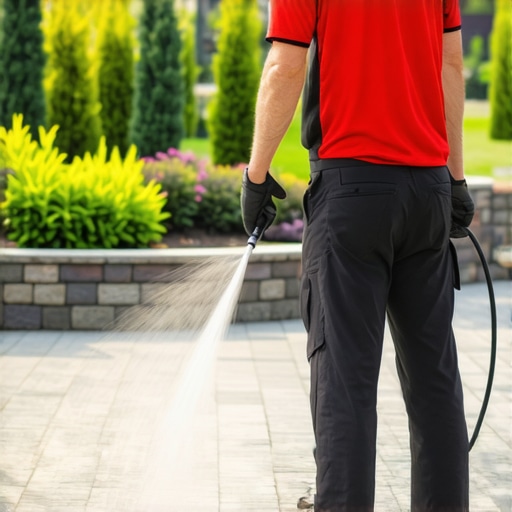
One of my go-to tools is a **gas-powered pressure washer**. It’s perfect for removing stubborn dirt, algae, and moss from patios, pathways, and retaining walls. I specifically prefer models with adjustable pressure settings and wide spray nozzles, so I can switch from gentle cleaning to more aggressive removal without risking damage. Regular power washing can extend the lifespan of your hardscape, keeping it looking new for years to come.
Specialized Sealers and Application Tools
Sealing your hardscape surfaces is a game-changer for durability. I recommend investing in a quality **brush applicator** or **low-pressure spray system** to apply sealants evenly. Proper sealing prevents water infiltration, which can cause cracking or shifting over time. Keep in mind, choosing the right sealer—permeable or non-permeable—depends on your specific material and climate, so do your research or consult an expert.
How do I maintain my hardscape over time?
Consistency is key. Schedule seasonal inspections to check for shifting, cracks, or weed intrusion. Use a **joint stabilizer** or polymeric sand to fill gaps and prevent weed growth. Regularly sweeping and rinsing your surfaces with a pressure washer helps prevent moss or algae buildup, which can make surfaces slippery and degrade materials. Additionally, applying a fresh coat of sealant every 3-5 years keeps your hardscape looking pristine and protected.
Looking ahead, I believe that technological advancements like **smart drone inspections** or **automated cleaning robots** will become more accessible for homeowners, making maintenance even easier. Staying on top of these innovations will help you keep your outdoor space beautiful with less effort.
Start by trying out a **pressure washer with adjustable nozzles** for your next cleaning session. It’s a simple upgrade that pays off by prolonging the life and appearance of your hardscape. Want to explore more advanced tips? Check out this guide for innovative maintenance strategies designed for modern outdoor spaces.
< >
>
Lessons That Changed My Approach to Hardscaping
- Don’t underestimate the power of a detailed plan—sketching your layout saved me from costly mistakes and helped me visualize the flow of my yard before breaking ground.
- Choosing the right materials isn’t just about looks; durability and climate compatibility are key. I learned this the hard way when I picked cheap pavers that cracked after a year.
- Site preparation is everything—skipping proper leveling and base work led to shifting and cracking in my first project. Now, I always invest time in thorough excavation and base compaction.
- Maintenance isn’t a one-and-done task. Regular inspection, sealing, and cleaning keep my hardscape looking fresh and prevent long-term damage. Embracing tech like pressure washers with adjustable nozzles made a huge difference for me.
- Tools matter more than you think. High-quality equipment like tamps and power washers help me do the job right without damaging surfaces or wasting time.
Tools and Resources I Trust for Hardscaping Success
- A good plate compactor is essential to create a stable foundation—trust me, cheap models cause more problems than they solve.
- Adjustable pressure washers help me clean surfaces without risking damage. I recommend models with wide spray nozzles for versatility.
- Sealants and application tools matter for long-lasting results. I prefer low-pressure spray systems for even coverage and minimal mess.
- My go-to reading material is this guide which keeps me updated on the latest trends, materials, and techniques for 2025.
Your Next Step Toward a Stunning Outdoor Makeover
Remember, transforming your outdoor space with hardscaping isn’t just about the immediate look—it’s about creating a resilient, functional environment you can enjoy for years. Embrace the learning process, invest in quality tools, and stay curious about new trends and techniques. The outdoor transformation you envision is within reach, and the effort you put in today will pay off in a space that truly reflects your style and needs. Are you ready to start planning your hardscape project? Share your biggest challenge or question below—let’s grow together in this journey!
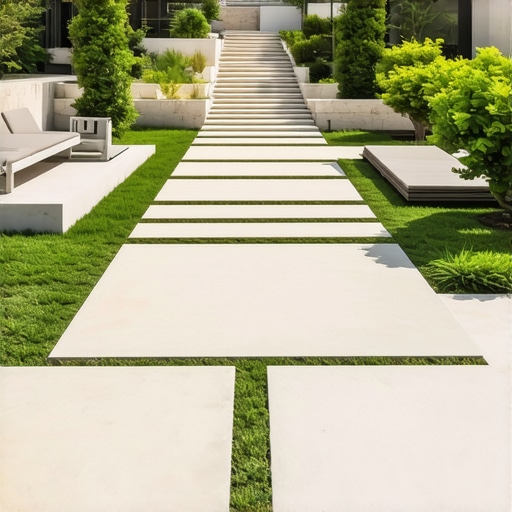
Reading this post really resonated with me, especially the emphasis on detailed planning before starting any hardscaping project. I learned the hard way that rushing into laying pavers without a proper blueprint can lead to uneven surfaces and costly repairs later on. What’s worked well for me has been investing a bit more time into sketching out the layout and considering future maintenance needs from the start. I also agree on the importance of choosing durable materials—last year, I used some cheaper pavers that cracked after just a couple of seasons, which was frustrating.
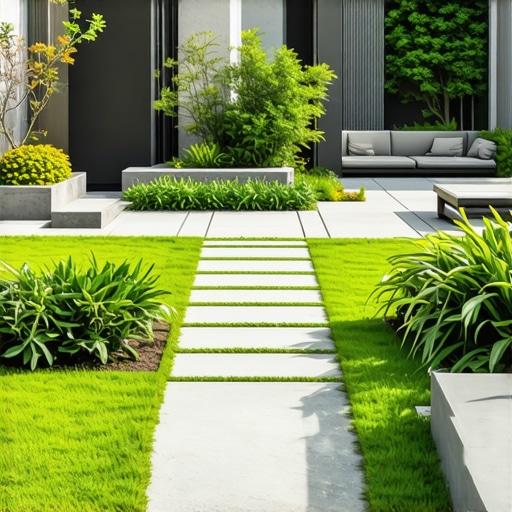
One challenge I face now is maintaining my new stone walkway—anything you recommend for keeping it clean without risking damage? I’ve heard that regular power washing helps, but I’m unsure about the right pressure settings to avoid chipping the stone. Overall, this post gives some fantastic insights and practical tips. How have others managed long-term upkeep, especially in areas with heavy foot traffic or climate extremes? Would love to hear your experiences or recommendations.