How to Create a Wildlife-Friendly Pond in a Small Yard
The Foundation of Aquatic Biology
Building a wildlife-friendly pond in a small yard requires more than just digging a hole and filling it with a garden hose. I always drill into my new crew members: if you don’t fix the soil grading first, every plant you put in the ground is just expensive compost. In aquatic environments, this is doubly true. If your pond base isn’t level and your drainage isn’t managed, you’ll end up with a stagnant pit that floods your neighbor’s property during the first heavy rain. A successful pond is a closed-loop biological system built on a foundation of civil engineering.
Site Analysis and Hydrology
A wildlife-friendly pond must be located in a spot that receives at least five to six hours of sunlight while remaining protected from excessive runoff that carries lawn fertilizers. Optimal pond placement involves identifying high-ground locations to prevent chemical contamination from lawn care products while ensuring the site is accessible for hardscaping maintenance. Avoid low spots where groundwater pressure can lift your liner like a balloon.
“A retaining wall or pond basin doesn’t fail because of the stone or liner; it fails because of the water trapped behind it or beneath it.” – Hardscape Engineering Axiom
How much modified gravel do I need for a pond base?
For a standard small pond, you need a 2-inch layer of washed stone or modified gravel underneath the underlayment to provide a stable, gas-permeable base. This prevents methane buildup from organic decomposition in the soil from pushing against the liner. Use 3/4-inch clean crushed stone. Do not use pea gravel for the structural base; it shifts like marbles. You need compaction and stability.
The Anatomy of a Functional Ecosystem
To attract biodiversity, you need varied depths. A professional-grade wildlife pond is not a bathtub. It needs shelves. Biological diversity in small yards is achieved through garden design that incorporates shallow zones of 2 to 6 inches for amphibians and a deep zone of at least 24 to 30 inches to ensure a thermal refuge during winter freeze-thaw cycles. Without these zones, you are just building a mosquito farm.
| Material Type | Durability | Average Cost | Best Use Case |
|---|---|---|---|
| 45-mil EPDM Rubber | 30+ Years | High | Professional installs, complex shapes |
| 30-mil PVC | 10-15 Years | Medium | Temporary or budget-conscious builds |
| Pre-formed Poly | 15+ Years | Low | Small, standard circular shapes |
EPDM is the industry standard. It remains flexible in sub-zero temperatures. PVC becomes brittle. If you use a pre-formed plastic tub, you are limited by the manufacturer’s lack of biological shelf design. Custom liners allow you to build the “exit ramps” that frogs and birds require.
Strategic Planting for Water Quality
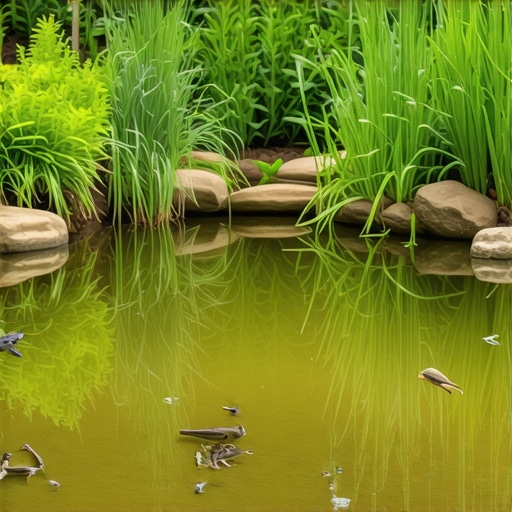
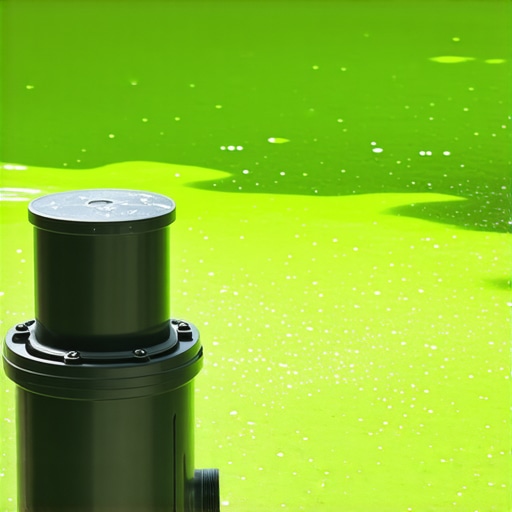
Vegetation is your filtration system. You must balance oxygenators, floating plants, and marginals. Native species are non-negotiable for wildlife ponds. Landscaping for pollinators means selecting plants like Marsh Marigold or Pickerel Weed that provide structural support for dragonflies. Do not over-fertilize. Excess nitrogen leads to algae blooms that starve the water of oxygen. It will kill your larvae. It will stink. Keep it lean.
“Nitrogen management in small aquatic systems is primarily controlled by the ratio of plant biomass to water volume, requiring at least 50 percent surface coverage to suppress algal dominance.” – Texas A&M AgriLife Extension
What are the best plants for a small wildlife pond?
The best plants for a small wildlife pond include Anacharis for underwater oxygenation, Water Lilies for surface shade and temperature regulation, and Sedge or Rushes for the marginal shelf zones. These plants provide the necessary habitat structure for macroinvertebrates and amphibians while competing with algae for dissolved nutrients in the water column.
The Hardscape Perimeter and Safety
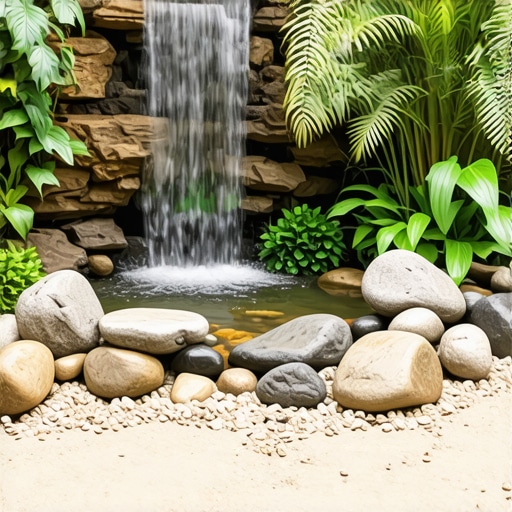
The edge of the pond is where most contractors fail. You cannot leave the liner exposed to UV rays; it will degrade. Use weathered fieldstone or flagstone to create a “coping” edge. This stone must be set on a shelf slightly below the water line to hide the liner completely. Ensure there is a gradual slope. If a toad falls in and can’t climb out, you have failed. Build a ramp. Use large gravel to create a beach entry point.
- Check the Level: Use a transit level. Even a 1-inch deviation makes the pond look broken.
- Underlayment: Never skip the geotextile fabric. Rocks will puncture your liner.
- Dechlorination: Tap water contains chloramines. It kills beneficial bacteria instantly. Use a treatment.
- No Pump? No Problem: A wildlife pond doesn’t strictly need a pump if the plant density is high enough.
Maintenance and Long-Term Stability
Don’t touch the muck. A wildlife pond needs a layer of organic silt at the bottom for overwintering organisms. However, you must remove heavy leaf fall in autumn. If you let 10 pounds of oak leaves rot in a 500-gallon pond, the tannin spike and oxygen drop will sanitize the system of life. Use a net. Be precise. Check the pH monthly. Aim for 7.0 to 8.0. Anything higher indicates an alkaline leak from cheap concrete ornaments or limestone. Stick to granite or river rock. It is chemically inert. This is science, not art. Build it right the first time or don’t build it at all.
![Stop 2026 Pond Leaks: 3 Sealing Tape Rules [Fix]](https://lawnmajesty.com/wp-content/uploads/2026/06/Stop-2026-Pond-Leaks-3-Sealing-Tape-Rules-Fix.jpeg)
![Build a $250 2026 Backyard Waterfall [Step-by-Step]](https://lawnmajesty.com/wp-content/uploads/2026/05/Build-a-250-2026-Backyard-Waterfall-Step-by-Step.jpeg)