How to Fix White Powdery Mildew on Your Zinnia Leaves
The Forensic Autopsy: Identifying Erysiphe cichoracearum on Zinnias
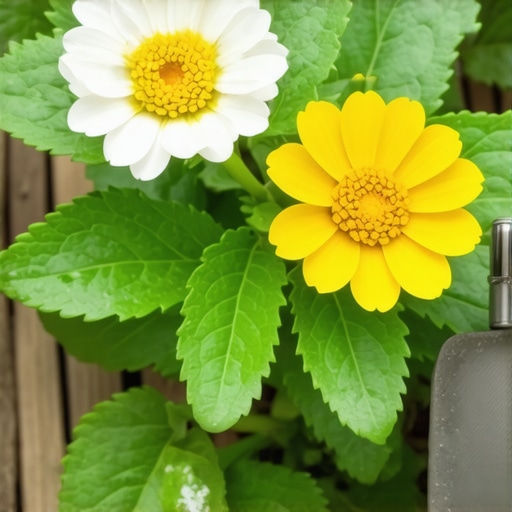
To fix white powdery mildew on Zinnia leaves, you must immediately increase airflow, apply a fungicide like potassium bicarbonate or neem oil, and switch to drip irrigation to keep foliage dry. This fungal pathogen, Erysiphe cichoracearum, thrives in high humidity and stagnant air pockets within the garden canopy. It is not merely a cosmetic issue. It is a parasitic infection that compromises the plant’s ability to photosynthesize by physically blocking the stomata and absorbing nutrients directly from the leaf cells. When you see that white, flour-like dusting, you are looking at a complex network of mycelium and conidiophores that have already breached the leaf’s cuticle. It’s a structural failure of the plant’s defense system. Most homeowners wait until the entire garden design is compromised before taking action. By the time the leaves are curling and turning chlorotic, the fungal load is massive. I have seen 200-foot borders of Zinnias decimated because the owner thought it was just ‘dust’ from a nearby construction site. It wasn’t. It was a biological invasion that required a surgical response. [image_placeholder]
The Chemical Nightmare: Why Your Fertilizer Is Killing Your Plants
A homeowner called me in a panic after they completely torched their front lawn and garden beds by applying a high-nitrogen ‘quick green’ fertilizer during a humid spell in July. They didn’t just burn the grass; they created a feast for fungi. High nitrogen levels force rapid, succulent growth in Zinnias. This new tissue is physically weak and lacks a thick, protective waxy cuticle. It’s like ringing a dinner bell for powdery mildew spores. Within three days, their once-sturdy garden looked like it had been hit by a blizzard. The nitrogen-rich sap was exactly what the mildew needed to fuel its reproductive cycle. I had to explain that their ‘lush’ aspirations were the direct cause of the infestation. We had to flush the soil and apply a rescue treatment of potassium bicarbonate to stop the spread. This is a classic example of why understanding the NPK ratio and its effect on plant physiology is more important than just making things green. If you push the plant too hard, it becomes a victim of its own growth rate. We spent three weeks remediating the soil biology just to get the pH back to a level where the plants could fight back naturally.
The Biology of the Infection: Beyond the White Dust
Powdery mildew is a unique beast in the world of garden design and plant pathology. Most fungi require liquid water on the leaf surface to germinate, but Erysiphe cichoracearum can germinate using only atmospheric humidity. This makes it particularly dangerous in regions with high evening humidity and low airflow. The fungus produces specialized structures called haustoria. These are microscopic ‘straws’ that pierce the epidermal cells of the Zinnia leaf. Once inside, they begin siphoning off the sugars the plant produces during photosynthesis. As the infection progresses, the plant’s chlorophyll levels drop. The leaf turns yellow, then brown, and finally shrivels. This is why you cannot simply ‘wash off’ the mildew. The fungus is literally woven into the cellular structure of the leaf.
“Powdery mildew fungi are obligate biotrophs, meaning they require living host tissue to grow and reproduce, often causing significant reductions in plant vigor and flower quality.” – Penn State Department of Plant Pathology
The Professional Remediation Protocol: Step-by-Step Recovery
Stopping a mildew outbreak requires a multi-pronged approach that mimics engineering precision. You don’t just spray; you re-engineer the environment. First, identify every infected leaf that is more than 50 percent covered and remove it with sterilized shears. Do not compost these. The spores can survive in a home compost pile. Second, address the airflow. If your Zinnias are packed like sardines, they will rot. Thin the plants. There should be at least 12 inches of empty space between the stems of mature plants to allow for wind movement.
“Management of powdery mildew starts with cultural controls, specifically the selection of resistant cultivars and the optimization of plant spacing to reduce canopy humidity.” – Texas A&M AgriLife Extension
How much modified gravel do I need for a patio base?
While this seems unrelated to gardening, the engineering of your hardscape directly impacts your plant health. For a standard patio base, you need 4 to 6 inches of compacted modified gravel. If your patio doesn’t drain correctly because you skimped on the base, that excess water pools and increases the micro-climate humidity around your Zinnia beds. This drainage failure is a primary driver of fungal outbreaks in high-end garden designs. Water must move away from the root zone and the foliage area at a rate of at least 1 inch per hour. Use a 2 percent grade to ensure runoff doesn’t saturate your planting pockets.
What is the best homemade spray for powdery mildew?
The most effective professional-grade ‘homemade’ solution is a mixture of 1 tablespoon of potassium bicarbonate, 1 tablespoon of horticultural oil, and 1 gallon of water. Do not use standard dish soap; it often contains degreasers that strip the protective wax off the leaf, making it even more vulnerable to infection. The potassium bicarbonate raises the pH on the leaf surface to an alkaline level that is toxic to the fungus. The oil acts as a surfactant, ensuring the solution sticks to the waxy spores. Apply this at dusk to avoid sun-scald on the foliage. Repeat every 7 days until the new growth shows no signs of infection.
Material Effectiveness for Fungal Control
| Treatment Type | Efficacy Rating | Mode of Action | Environmental Impact |
|---|---|---|---|
| Potassium Bicarbonate | High | pH Alteration | Low / Safe |
| Neem Oil | Moderate | Physical Barrier | Low / Organic |
| Copper Fungicide | Extreme | Cellular Disruption | Moderate / Persistent |
| Milk Spray (40/60) | Low/Moderate | Protein Reaction | Zero / Natural |
The Professional Maintenance Checklist
- Morning Irrigation Only: Never water Zinnias after 10 AM. Leaves must be dry before the humidity spikes at sunset.
- Drip Irrigation Conversion: Replace overhead sprinklers with Netafim or similar drip lines to keep water at the root flare.
- Airflow Thinning: Maintain a 12-inch clear zone between plant centers.
- Weekly Scouting: Use a 10x hand lens to check the undersides of lower leaves for the first signs of mycelium.
- Sterilization Protocol: Dip shears in 70 percent isopropyl alcohol between every single cut to prevent cross-contamination.
The Information Gain: The Humidity Paradox
Most gardeners think rainy seasons cause mildew. The reality is that powdery mildew often spikes during dry, warm days followed by cool, humid nights. In these conditions, the spores can travel on dry wind currents and then hydrate via the evening humidity. If your garden design includes dense hedges or solid fences that block the wind, you are creating a ‘fungal incubator.’ You must ensure that the prevailing winds can move through the garden. I often recommend installing ‘wind windows’ or gaps in fencing to facilitate this. Don’t let your landscape become a stagnant pond of air. It will rot your investment from the ground up. Monitoring the soil pH is also critical. A Zinnia in soil with a pH between 6.3 and 7.0 has a much stronger immune response than one struggling in acidic clay. Use a professional soil test, not a cheap hardware store probe, to verify your levels. If the soil is off, the plant is stressed, and a stressed plant is a target. Stop the stress, stop the fungus.

![Fixing 2026 Broken Drip Irrigation Lines [Easy]](https://lawnmajesty.com/wp-content/uploads/2026/06/Fixing-2026-Broken-Drip-Irrigation-Lines-Easy.jpeg)
![Stop 2026 Leaf Rust on Your Rose Bushes [Fix]](https://lawnmajesty.com/wp-content/uploads/2026/07/Stop-2026-Leaf-Rust-on-Your-Rose-Bushes-Fix.jpeg)
![Stop 2026 Rust on Garden Tools [Maintenance Tips]](https://lawnmajesty.com/wp-content/uploads/2026/07/Stop-2026-Rust-on-Garden-Tools-Maintenance-Tips.jpeg)