Why Your Compost Pile Isn’t Breaking Down (And How to Fix It)
The Science of Decay: Fixing Your Stagnant Compost Pile
I always drill into my new crew members: if you don’t fix the soil biology first, every plant you put in the ground is just expensive compost. Over 20 years in this industry has taught me that most homeowners treat composting like a trash can. It is not. It is a biological reactor. If you don’t manage the chemistry and the physics, you just have a pile of rotting garbage. I’ve walked onto job sites where the ‘garden design’ included a compost area that was nothing more than a sanctuary for rodents and anaerobic bacteria. It smelled like a swamp because the contractor didn’t understand the engineering behind organic decomposition. If your pile is sitting there, unchanged, for six months, you have a system failure. We are going to perform a forensic autopsy on that pile right now.
The Chemical Gridlock: Identifying C:N Ratio Imbalances
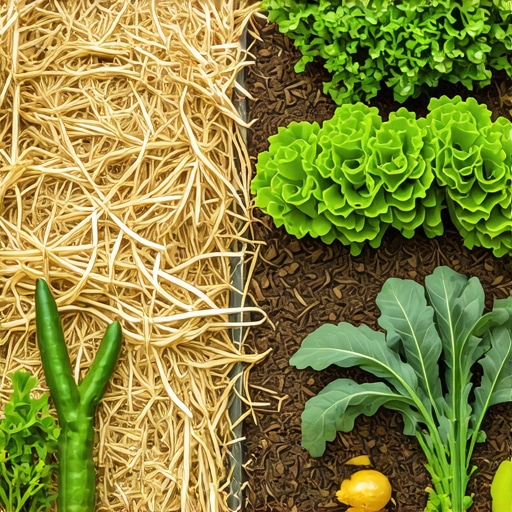
A stagnant compost pile usually suffers from a Carbon-to-Nitrogen (C:N) ratio imbalance, specifically an excess of carbon-rich ‘brown’ materials or a lack of nitrogen to fuel microbial metabolism. To restart decomposition, you must achieve a 30:1 ratio, which provides enough carbon for energy and enough nitrogen for protein synthesis in the bacterial population. When carbon levels are too high, the bacteria lack the building blocks to multiply. When nitrogen is too high, the pile becomes an ammonia-filled mess. You need to balance these with precision. Carbon sources include dried leaves, straw, and wood chips. Nitrogen sources include grass clippings, kitchen scraps, and manure.
The Lignin Problem: Why Wood Chips Take Forever
Not all carbon is equal. Lignin is the complex polymer that gives wood its strength. It is incredibly difficult for bacteria to break down. If your pile is full of hardwood mulch or thick sticks, you are looking at a three-year decomposition timeline unless you introduce specialized fungi. I see this in landscaping all the time: people use wood chips in their garden design and wonder why their plants are yellow. It is because the wood is robbing nitrogen from the soil to try and break itself down. This is called nitrogen tie-up. If your compost pile is too woody, you need to add a massive hit of nitrogen, like urea or blood meal, to jumpstart the process.
| Material | C:N Ratio | Primary Role |
|---|---|---|
| Fresh Grass Clippings | 15:1 | Nitrogen Fuel |
| Vegetable Scraps | 20:1 | Nitrogen Fuel |
| Dry Autumn Leaves | 60:1 | Carbon Structure |
| Clean Wheat Straw | 80:1 | Carbon Structure |
| Sawdust/Wood Chips | 400:1 | Structural Carbon (Slow) |
“Composting is the managed biological decomposition of organic matter; moisture content should ideally be maintained between 40% and 60% to ensure microbial viability.” – Penn State Agricultural Extension
Thermophilic Failure: Why Your Pile Is Not Generating Heat
If your compost pile is cold, it likely lacks the critical mass of 27 cubic feet required for thermal insulation and heat retention. Heat is a byproduct of microbial respiration. In a pile smaller than a three-foot cube, that heat escapes into the atmosphere faster than it can build. You need the pile to reach the thermophilic range, which is between 135 and 160 degrees Fahrenheit. This temperature is high enough to kill off pathogens and most weed seeds. If you are just tossing a few banana peels into a corner, you will never hit these temperatures. You need volume. If your pile is small, build a bin system using heat-treated pallets or cedar to hold the mass together and trap the energy.
How much water should I add to my compost?
The pile should feel like a wrung-out sponge. If you squeeze a handful of material and water drips out, it is too wet and will go anaerobic. If it feels dusty and the material doesn’t stick together, the microbes are dormant. Water is the medium through which bacteria move and consume nutrients. Without it, the biology stops. In dry climates, you must incorporate irrigation into your compost management. I’ve seen ‘landscaping’ experts build beautiful stone enclosures for compost that act like ovens, drying out the material in days. You have to monitor the moisture weekly.
Oxygenation: The Difference Between Soil and Sludge
Anaerobic conditions occur when oxygen levels drop below 5 percent, causing facultative bacteria to take over and produce foul-smelling gases like hydrogen sulfide. This is the most common reason for a failing pile. When a pile settles, the air pockets collapse. The weight of the wet material crushes the porosity. To fix this, you must turn the pile. This is not just for mixing; it is for aerating. You are introducing fresh oxygen to the aerobic bacteria. I tell my crew that turning a pile is like giving the soil a breath of fresh air. If you don’t turn it, the pile will eventually turn into a sour, acidic mass that will kill your lawn if you try to use it as top-dressing.
Why does my compost pile smell like rotten eggs?
The rotten egg smell is a definitive sign of anaerobic decay and a lack of oxygen. It means your pile is too wet or too compacted. You need to immediately turn the pile and mix in coarse ‘browns’ like straw or shredded cardboard. These materials create ‘macropores’ that allow air to penetrate the center of the heap. This is basic civil engineering applied to a biological system. If the water cannot drain and the air cannot enter, the system fails. This is the same reason we install French drains in hardscaping: to manage the movement of fluids and gases through a medium.
- Check the moisture level: perform the squeeze test.
- Measure the temperature: use a long-stem compost thermometer.
- Verify the volume: ensure the pile is at least 3x3x3 feet.
- Assess the aeration: turn the pile if it is compacted.
- Balance the C:N ratio: add ‘greens’ to a cold pile or ‘browns’ to a wet pile.
Site Engineering: Drainage and Grading for Compost Bins
A compost site must be graded at a 2 percent slope to ensure proper drainage and prevent water from pooling at the base of the pile. If you build your compost bin in a low spot of your yard, it will become a sump. I have seen $50,000 landscaping projects ruined because the designer put the compost area at the bottom of a hill. The pile stays perpetually saturated, the bottom six inches turn into a septic sludge, and the nutrients leach out into the groundwater instead of staying in the organic matter. You need a firm, well-drained base. Sometimes this means excavating the area and installing a layer of modified gravel or crushed stone topped with a hardware cloth to keep pests out while allowing drainage.
“Surface water management is critical; compost pads must be graded at 2-4 percent to prevent ponding and anaerobic pockets.” – Hardscape Engineering Axiom
The Maturation Phase: When Is It Finished?
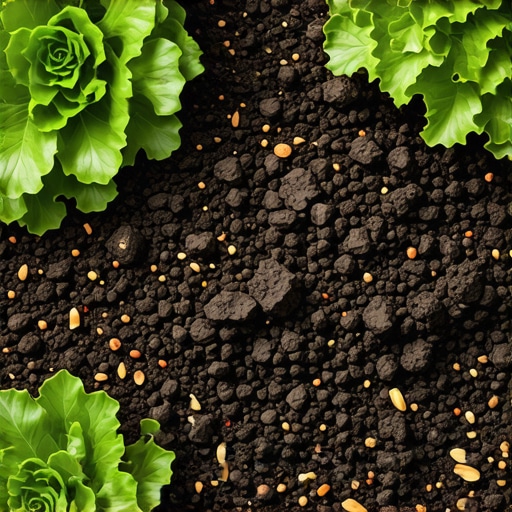
Finished compost should be dark, crumbly, and smell like a forest floor. If you can still recognize the original materials, it is not done. Using unfinished compost in your garden design is a recipe for disaster. It will continue to decompose in the soil, competing with your plants for nitrogen. This is how you end up with stunted shrubs and yellowing perennials. You must let the pile ‘cure’ for at least four weeks after the heat has dissipated. This allows the microbial population to shift from the heat-loving thermophiles to the mesophilic fungi and actinomycetes that finish the job of creating stable humus. Don’t rush the process. It will rot on its own time, but you can guide it.
![Stop 2026 Tree Bark Damage from Weed Whackers [Fix]](https://lawnmajesty.com/wp-content/uploads/2026/05/Stop-2026-Tree-Bark-Damage-from-Weed-Whackers-Fix.jpeg)