How to Prevent Frost Heave from Damaging Your Walkways
The Forensic Autopsy of a Failed Walkway
I recently got called out to tear up a $30,000 patio that was sinking and buckling because the previous contractor thought 2 inches of stone dust was an acceptable base. The pavers looked like a topographical map of the Himalayas. Upon excavation, I found that the subgrade was saturated clay with zero drainage. When the first deep freeze hit, the water trapped in that clay turned into ice lenses, expanding with enough force to lift several tons of concrete pavers like they were made of balsa wood. This is the reality of frost heave. It is not an act of God; it is a failure of engineering. If you ignore the physics of soil and water, the frost will win every single time. It will rot your investment from the bottom up. Stop trusting ‘mow-and-blow’ crews with your hardscaping. They don’t understand the hydrostatic pressure or the 9% expansion rate of freezing water.
What Causes Walkway Frost Heave?
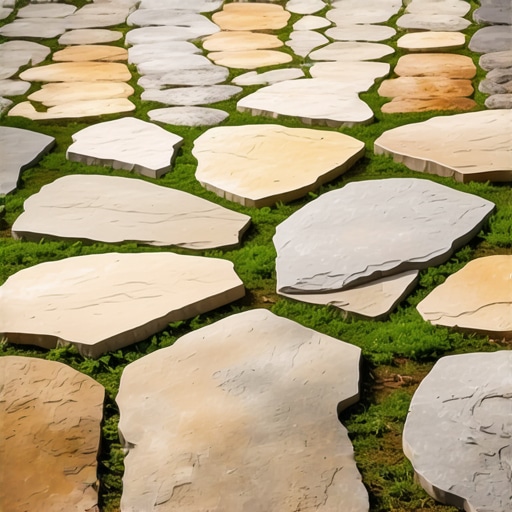
Frost heave occurs when ice lenses form in the soil beneath your walkway, causing the ground to swell and push hardscape materials upward. This structural failure requires three specific conditions: freezing temperatures, a consistent moisture source, and frost-susceptible soil that allows for capillary action, such as silt or fine-grained clay. [IMAGE_PLACEHOLDER_1]
“A retaining wall doesn’t fail because of the stone; it fails because of the water trapped behind it.” – Hardscape Engineering Axiom
How deep should a paver base be for frost protection?
To prevent frost heave, you must excavate below the local frost line or create a non-frost-susceptible (NFS) foundation that is at least 6 to 12 inches deep for walkways, depending on soil type. In heavy clay environments, a 12-inch base of compacted 21A or modified gravel is the bare minimum. You are not just building a path; you are building a drainage system. The goal is to replace frost-susceptible native soil with coarse aggregates that do not hold water through capillary action.
The Anatomy of an Anti-Heave Foundation
The foundation is the most critical part of any garden design or landscaping project involving stone. We use a multi-layered approach to break the capillary cycle. First, we strip the organic topsoil. If you leave a single inch of black dirt under your base, it will hold water and freeze. Next, we lay down a woven geotextile fabric. This prevents the heavy gravel from sinking into the soft subgrade over time. We then use 3/4-inch minus crushed stone (modified gravel), which must be compacted in 2-inch lifts. I tell my crew that the plate compactor should literally bounce off the surface when a lift is done. If it’s still sinking, it’s not compacted.
Does polymeric sand prevent frost heave?
Polymeric sand does not prevent frost heave, but it provides a flexible joint that can accommodate minor seasonal movement without cracking, unlike traditional mortar. However, if your base is moving more than a fraction of an inch, even the best polymeric sand will fail. It is a finishing product, not a structural solution. Think of it as the weatherstripping on a door; it keeps the elements out, but it won’t hold the house up if the foundation is rotting.
| Base Material | Drainage Rating | Frost Susceptibility | Compaction Stability |
|---|---|---|---|
| Stone Dust | Poor | High | Low |
| 3/4″ Crushed Stone | Excellent | Very Low | High |
| Silty Clay | Very Poor | Extremely High | Zero |
| Bank Run Gravel | Moderate | Medium | Moderate |
The Engineering Logic of Drainage and Compaction
Water is the enemy of all hardscaping. When water stays in the soil, it forms ice. When ice forms, it expands. To stop this, we install French drains or perforated pipes wrapped in sleeve socks if the yard has a high water table. We also ensure a 2% slope away from any structures. This is non-negotiable. If you build a flat walkway, you are building a pond that will eventually destroy your work. We use landscape engineering principles to ensure that every drop of water has a path to exit the base layer before it can freeze. This is why the ‘hacks’ fail; they don’t look at the site’s topography or soil pH and texture.
“Frost heave occurs when ice lenses form in frost-susceptible soils, drawing moisture from below and expanding upward.” – National Concrete Masonry Association (NCMA)
- Excavation: Remove all organic matter and reach stable subgrade.
- Geotextile: Use a 200-pound grab tensile strength fabric.
- Aggregate: Use ASTM D1241 Grade B crushed stone.
- Compaction: Minimum 4,000 lbs of centrifugal force on the plate tamper.
- Edge Restraints: Concrete or heavy-duty plastic spikes every 12 inches.
Year One: The Settling Period
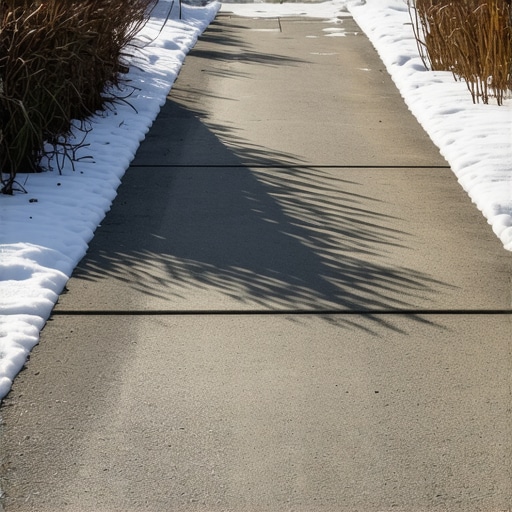
After a professional install, you might see minor settling in the first year. This is normal. What is not normal is a stone popping up or a joint opening more than a quarter inch. If we did our job right, the entire walkway moves as a single monolithic unit if it moves at all. In lawn care, you worry about the grass; in hardscape, you worry about the physics. Don’t skip the maintenance. Re-sweep your joints every two years. Keep your gutters clean so they don’t dump 500 gallons of water onto your walkway during a thaw-freeze cycle. Your walkway is a machine. Treat it like one. [IMAGE_PLACEHOLDER_2]”