Stop 2026 Grass Growth in Your Paver Patios [Weekend DIY]
The Forensic Autopsy: Why Your Patio Became a Meadow
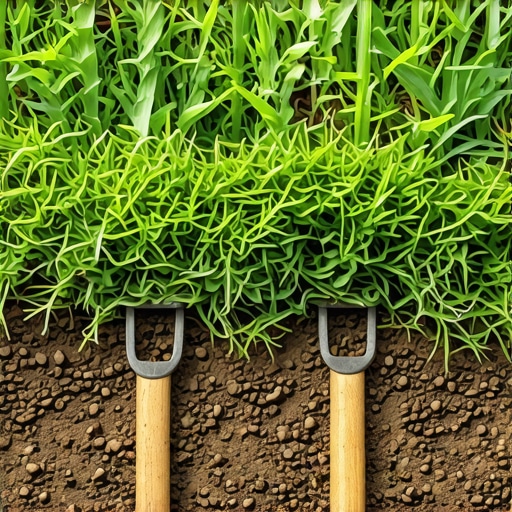
To stop grass growth in paver patios for 2026, you must excavate organic debris from joints, apply a pre-emergent herbicide such as Prodiamine, and install a high-quality polymeric sand that meets ICPI standards to create a hardened barrier against seed germination. I recently got called out to tear up a $30,000 patio that was sinking and overrun with crabgrass because the previous contractor used standard play sand instead of a stabilized jointing material. The joints had become a literal Petri dish for every airborne seed in the county. It was a mess. Most homeowners think the weeds are coming from the dirt underneath the patio. They aren’t. Unless you are dealing with nutsedge that can punch through a liner, 95% of your patio weeds are coming from the top down. Wind-blown sediment and organic matter settle into the cracks, creating a perfect seed bed. If you don’t address the jointing chemistry, you’re just gardening in the gaps.
“A segmental pavement system is only as stable as its jointing material; without proper interlock and sealing, environmental infiltration is inevitable.” – Hardscape Engineering Axiom
The Biology of the Joint: Why Seeds Love Your Hardscape
Your paver joints are micro-climates. They trap moisture, protect seeds from the wind, and collect nutrient-rich dust. In the 2026 growing season, you will likely face an onslaught of Poa annua and Digitaria (crabgrass). These species thrive in the compacted, low-oxygen environment of a neglected paver joint. When you use cheap sand from a big-box store, you are providing a porous medium that holds onto 0.5 to 1.0 inches of water after a rain, which is exactly what a seed needs to germinate. Stop using ‘mow-and-blow’ logic here. You need engineering solutions. This means understanding the compaction of your base layer. If your base isn’t a minimum of 4 to 6 inches of modified gravel compacted to a 98% Proctor density, your pavers will shift, the joints will crack, and the biology will take over. It will fail. Don’t skip the prep.
| Material Type | Permeability | Weed Resistance | Lifespan (Years) |
|---|---|---|---|
| Play Sand | High | 0% | 0.5 |
| Stone Dust | Medium | 15% | 1-2 |
| Polymeric Sand | Low | 85-90% | 5-10 |
| Resin-Bound Sand | None | 98% | 10+ |
How do I permanently stop grass from growing between pavers?
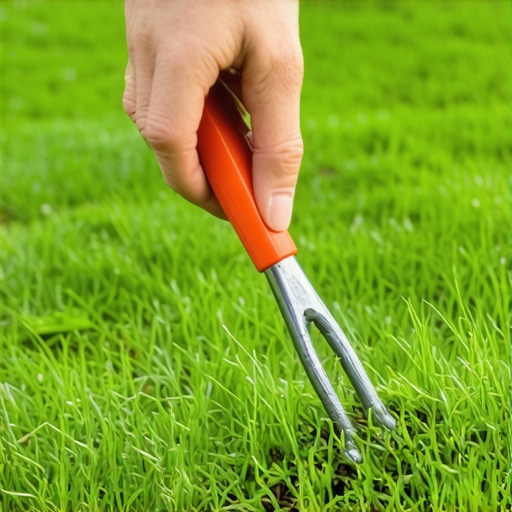
Permanent prevention requires a multi-stage attack involving deep cleaning, chemical sterilization, and mechanical sealing of the joints. You must use a pressure washer capable of 3500-4000 PSI to blast out at least 1 inch of the existing joint material. This removes the ‘organic bridge’ that weeds use to root. Once the joints are empty and dry, apply a pre-emergent. If you wait until 2026 to think about this, you’ve already lost. Seeds are dropping now. You need to be proactive. After chemical treatment, the joints must be filled with a high-polymer sand. This isn’t just sand; it’s a mixture of graded sand and binders that turn into a flexible plastic-like substance when misted with water. It locks the pavers together and denies seeds a place to land.
Is vinegar safe for paver joints?
Homeowners love the ‘natural’ vinegar hack, but it’s a short-term fix with long-term consequences for your hardscape. Vinegar (acetic acid) will kill the green tissue of a weed on contact, but it does nothing to the root system of a perennial grass. More importantly, highly acidic solutions can etch the surface of concrete pavers and degrade the calcium carbonate in the stone over time. It creates a porous surface that actually helps moss and algae grip the stone better next year. Use a professional-grade herbicide or a heat torch if you want to kill the growth without ruining the structural integrity of your $20-per-square-foot investment. I have seen 5-year-old patios look like 20-year-old ruins because of ‘natural’ acidic cleaners. It is a mistake.
“Pre-emergent herbicides must be applied before soil temperatures reach 55 degrees Fahrenheit to effectively interrupt the germination cycle of summer annual weeds.” – Penn State Agricultural Extension
The 2026 Prevention Checklist [Weekend DIY]
- Inspection: Check for ‘pumping’ where water splashes up from joints, indicating base failure.
- Deep Clean: Pressure wash at a 45-degree angle to avoid undermining the bedding sand.
- Dry Time: Wait 24-48 hours. Polymeric sand requires bone-dry joints to avoid ‘poly-haze.’
- Application: Sweep sand into joints, then use a plate compactor or a rubber mallet to vibrate the sand down.
- Top-Off: Refill joints to 1/8 inch below the paver chamfer edge.
- Hydration: Mist the joints in 3-4 cycles. Do not flood them.
Operational Lane: Hardscape Engineering and Moisture Management
The real enemy of your patio is hydrostatic pressure and the resulting drainage failure. When water cannot escape the patio surface, it sits in the joints and softens the polymeric binders. This leads to ‘washout.’ In regions with heavy clay, like the red clay of Georgia or the heavy soils of the Midwest, you must ensure your patio has a 2% slope—that is a 1/4 inch drop for every foot of run. Without this, you are just building a pond with bricks in it. If you are in a freeze-thaw climate, the stakes are higher. Water trapped in joints will expand, shattering the seal and opening the door for 2026 weed growth. Every crack is a door. Close it. In my crew, we don’t even start the sand process if there is a 10% chance of rain. If that sand gets wet before it is properly swept and compacted, it becomes a gummy nightmare that you will spend $2,000 in labor to remove. Do it right the first time.