Stop 2026 Aphid Attacks with This Organic Neem Spray
The Foundation of Plant Health: A Lesson from the Trenches
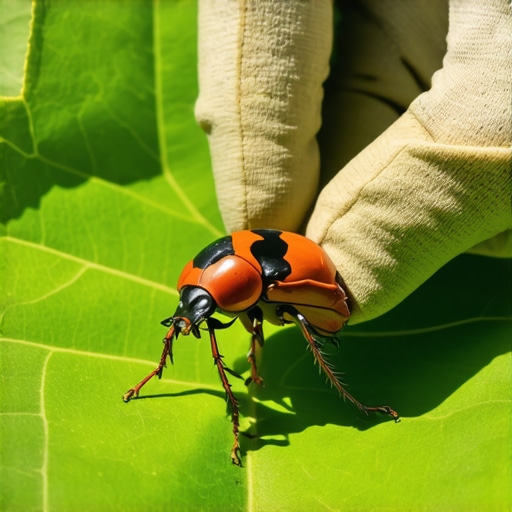
I always drill into my new crew members: if you don’t fix the soil grading and primary plant health first, every plant you put in the ground is just expensive compost. When I see a client’s backyard infested with Aphididae, I don’t just see bugs; I see a plant that has lost its internal turgidity and chemical defense mechanisms. Most homeowners reach for a bottle of whatever synthetic poison is on sale at the big-box store, but that is a rookie move that kills the predatory Coccinellidae (ladybugs) along with the pests. To stop the 2026 aphid surge, you must understand the biological machinery of the plant and the chemical properties of cold-pressed neem oil. We aren’t just ‘spraying plants’ here; we are performing precise horticultural intervention. [IMAGE_PLACEHOLDER]
Why Organic Neem Spray is the Professional Choice for 2026
Cold-pressed neem oil acts as a powerful antifeedant and growth regulator that disrupts the hormonal systems of aphids and other soft-bodied insects without the long-term environmental toxicity of synthetic pyrethroids. Unlike contact killers that evaporate in hours, high-quality neem containing Azadirachtin penetrates the plant’s cuticle. This provides a systemic deterrent. When the aphid pierces the leaf to suck out the sap, it ingests the compound, which then mimics the insect’s molting hormones. This creates a biological stalemate: the insect cannot grow, cannot molt, and cannot reproduce. It is a clean, surgical strike against the colony.
“Integrated Pest Management (IPM) is an ecosystem-based strategy that focuses on long-term prevention of pests or their damage through a combination of techniques such as biological control, habitat manipulation, and modification of cultural practices.” – Texas A&M Agrilife Extension
The Chemistry of the Emulsion: Getting the Mix Right
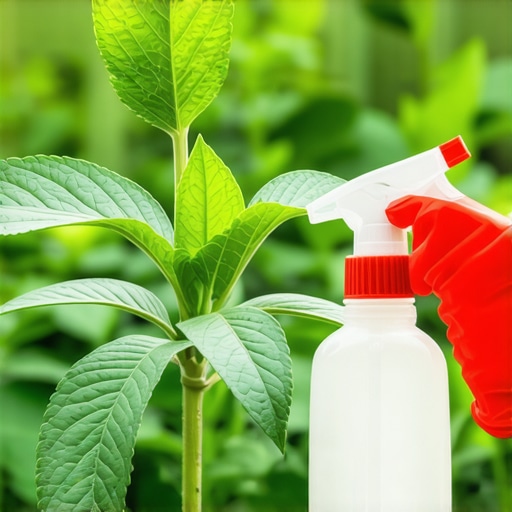
You cannot simply pour oil into a sprayer and expect results; oil and water do not mix without a surfactant. In my firm, we use a high-potency emulsion technique. The goal is to reach a concentration of 0.5% to 2% depending on the severity of the infestation. If you go too heavy, you risk phytotoxicity, where the oil blocks the plant’s stomata (breathing pores), effectively suffocating your landscape. We monitor the water pH carefully, as alkaline water with a pH above 7.0 can cause alkaline hydrolysis, breaking down the active Azadirachtin before it even touches the leaf. Aim for a slightly acidic carrier water around 6.0 to 6.5 pH.
How much neem oil do I need per gallon of water?
To create a standard 1% solution for lawn care and garden design maintenance, mix 1.28 fluid ounces of pure neem oil with 1 teaspoon of insecticidal soap per gallon of water. This ratio ensures the oil remains suspended in the liquid for even distribution across the foliage. Use a pressurized sprayer capable of maintaining 30 to 40 PSI to ensure the droplets are small enough to coat the underside of the leaves where aphids congregate. Do not skip the undersides; that is where the battle is won or lost.
How often should I spray neem oil on garden plants?
For active infestations, apply the neem spray every 7 days for three consecutive weeks to interrupt the aphid life cycle completely. For preventative landscaping maintenance, a single application every 14 to 21 days is sufficient to keep populations below the economic threshold. Always spray in the early morning or late evening. If you spray during the heat of the day, the oil acts as a magnifying glass for UV rays, leading to leaf scorch that can devastate a Japanese Maple or a tender Rose bush.
The 2026 Professional Pest Management Matrix
| Neem Emulsion (1%) | Weekly | Aphids, Whiteflies | Hormonal Disruption |
| Horticultural Soap | Bi-Weekly | Spider Mites | Cellular Membrane Collapse |
| Dormant Oil | Seasonal | Scale, Overwintering Eggs | Asphyxiation |
| Compost Tea | Monthly | Systemic Stress | Microbial Competition |
The Forensic Inspection: Why Your Spray Might Fail
If you see your plants still struggling after a neem application, look at the soil. I have walked onto job sites where the hardscaping was beautiful but the drainage was a disaster. Standing water causes root stress, and stressed plants emit chemical signals that attract aphids like a dinner bell. You can spray all the neem in the world, but if your garden design doesn’t account for hydrostatic pressure and soil oxygen levels, you are fighting a losing war. Check your mulch levels too; ‘mulch volcanoes’ piled against the trunk of a tree create a moist environment that encourages pest harborages. Keep the root flare visible. It is the lungs of the tree.
“A retaining wall doesn’t fail because of the stone; it fails because of the water trapped behind it.” – Hardscape Engineering Axiom
Step-by-Step Eradication Checklist
- Identify the pest species to ensure it is a soft-bodied insect susceptible to Azadirachtin.
- Test a single leaf 24 hours before full application to check for phytotoxic sensitivity.
- Clean your sprayer tanks to remove any residual herbicides that could kill your plants.
- Agitate the mixture constantly during application to prevent the oil from separating.
- Focus on the ‘drip line’ of the plant where new, succulent growth is most attractive to pests.
- Monitor weather for rain; neem needs at least 4 to 6 hours of dry time to adhere to the leaf cuticle.
Professional Maintenance and Long-Term Success
Success in landscaping is about consistency, not miracles. The 2026 season will likely see higher pest pressures due to fluctuating winter temperatures that fail to kill off overwintering eggs. By implementing a proactive neem protocol now, you are building a chemical barrier that works with the plant’s natural biology. Stop treating your yard like a hobby and start treating it like the biological asset it is. Use the right concentrations, respect the sun’s timing, and keep your equipment calibrated. That is how the pros do it.”
![Why Your 2026 Drip System is Wasting Water [Fix]](https://lawnmajesty.com/wp-content/uploads/2026/06/Why-Your-2026-Drip-System-is-Wasting-Water-Fix.jpeg)