Stop 2026 Aphid Infestations with This Water Hack
Stop 2026 Aphid Infestations with This Water Hack
The first sign of trouble is usually the stickiness. You walk out to your garden and notice a glistening, viscous coating on the leaves of your prize maples or roses. This is honeydew, the sugary waste product of Myzus persicae and other aphid species. If left unchecked, this sticky residue becomes a breeding ground for sooty mold, a black fungus that blocks photosynthesis and weakens the plant’s structural integrity. Most homeowners reach for a bottle of store-bought insecticide, but that is a rookie mistake. Chemical warfare often kills the beneficial predators like lacewings and lady beetles, leading to a secondary outbreak that is twice as bad as the first. A homeowner called me in a panic after they completely torched their front lawn by applying a high-nitrogen quick-green fertilizer in late spring. They did not just burn the roots; they created an aphid buffet. Those nitrogen spikes produce soft, succulent growth that acts like a dinner bell for every pest in the county. By the time I arrived, the undersides of their hibiscus were a crawling carpet of gray and green. We had to flush the soil and start a three-month remediation process just to stabilize the pH. This is the reality of poor soil management. To prevent the 2026 surge, you need to understand the physics of turgor pressure and the mechanical application of water.
The Mechanics of Turgor Pressure and Pest Resistance
Stop 2026 aphid infestations by utilizing high-pressure water blasts and managing turgor pressure through deep, infrequent irrigation. This method physically removes pests while strengthening plant cell walls, making it harder for piercing-sucking insects like aphids to penetrate the foliage and feed on nutrient-rich sap. When a plant is properly hydrated at the cellular level, the internal pressure against the cell wall, known as turgor pressure, remains high. This makes the plant tissues tough and less palatable to aphids. Conversely, a drought-stressed plant or one with fluctuating moisture levels becomes a target. The sap becomes more concentrated with sugars and amino acids, providing a high-energy meal for pests.
“Aphids are most attracted to plants with high nitrogen levels and low turgor pressure, as these conditions facilitate easier penetration of the stylet into the phloem.” – University of California Statewide IPM Program
This is why your garden design must prioritize water consistency over volume. If you are watering for ten minutes every day, you are failing. You are encouraging shallow root systems and soft tissue growth. You need to drive that water deep into the soil profile to force the roots to chase the moisture down, creating a resilient, high-turgor organism.
Why 2026? Predicting Pest Cycles via Soil Temperature
Pest populations are not random; they are driven by degree-day accumulations and soil health. Based on current climate trends and soil compaction data, 2026 is shaping up to be a peak year for aphid reproduction. When we see mild winters followed by wet springs, the survival rate of overwintering eggs skyrockets. As a professional, I look at the soil microbiology. If your soil is anaerobic due to poor drainage, your plants cannot uptake the micronutrients needed to build thick epidermal layers. This is where hardscaping and landscaping engineering intersect. If your patio or retaining wall is not shedding water correctly, you are creating a localized humidity zone that aphids love. You must audit your grading now. Ensure you have a 2 percent slope away from all planting beds. If the water pools, the roots suffocate, the plant stresses, and the aphids move in for the kill.
The Hydro-Mechanical Disruption Hack
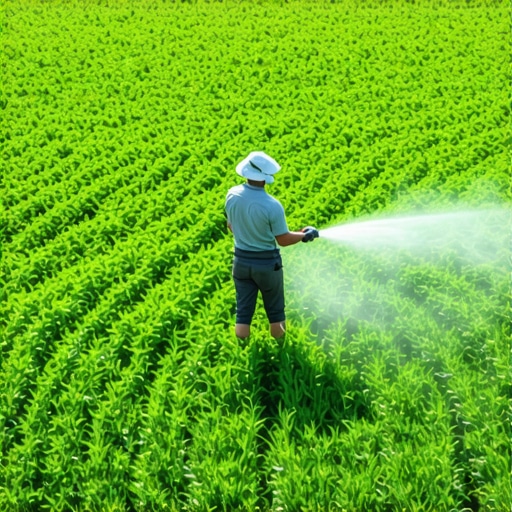
The actual water hack involves two distinct phases: mechanical removal and osmotic regulation. Most people use a gentle mist, which does nothing but give the aphids a bath. You need a concentrated stream. Using a nozzle with a 15 to 20 PSI output, you must target the undersides of the leaves where aphids congregate. This is not about drowning them; it is about the physical impact of the water molecules breaking their grip on the leaf surface. Once they are knocked to the ground, they are highly susceptible to ground-level predators and rarely find their way back up to the canopy.
“Excessive fertilization, particularly with nitrogen, can lead to increased aphid populations and subsequent plant damage.” – Penn State Extension
After the physical blast, you must address the soil field capacity. Use a soil probe to check moisture depth. You want to see dampness at the 8-inch mark. If the top 2 inches are wet but the bottom is bone dry, your irrigation timing is wrong. Stop watering based on a clock; water based on the soil’s volumetric water content.
How does water pressure kill aphids?
Water pressure kills aphids through mechanical displacement and exoskeleton disruption. High-velocity water streams physically detach the aphid’s stylet from the plant tissue, often damaging their delicate feeding tubes and causing them to starve or succumb to desiccation on the soil surface. It is a non-toxic, highly effective engineering solution for pest control. You do not need chemicals when you have physics on your side. The key is the angle of attack. You must spray from the bottom up. Aphids are experts at hiding in the folds of new growth. A top-down spray will miss 90 percent of the colony.
What is the best time of day to spray aphids?
The best time to apply the water hack is early morning, specifically between 5:00 AM and 8:00 AM. This allows the plant foliage to dry completely during the day, which prevents the development of fungal pathogens like powdery mildew or leaf spot. Never spray in the heat of the afternoon, as the water droplets can act as magnifying glasses, leading to leaf scorch. Night watering is equally dangerous because it keeps the canopy damp for 10 plus hours, inviting rot. Consistency is the hallmark of a professional. If you cannot be consistent, install a smart irrigation controller with a rain sensor.
| Watering Method | Aphid Suppression Rate | Impact on Soil Structure | Root Depth Encouragement |
|---|---|---|---|
| Daily Shallow Mist | Low (5-10%) | Surface Crusting | Poor (top 2 inches) |
| Overhead Sprinklers | Medium (30-40%) | Compaction Risk | Moderate |
| Deep Soil Soaking | High (Indirect) | Optimal Aeration | Excellent (8-12 inches) |
| High-Pressure Blast | Very High (85%+) | N/A (Targeted) | N/A (Physical Removal) |
Hardscaping and Its Role in Soil Moisture Management
You cannot separate garden design from hardscaping. Every time you pour a concrete walkway or lay a paver patio, you are altering the hydrology of the yard. If you do not account for the displaced water, it will end up in your planting beds, leading to root rot and, you guessed it, aphid infestations. When we install a patio, we use a modified gravel base compacted to a specific density to ensure stability, but we also install French drains or perforated pipe systems to manage runoff. If your contractor did not talk to you about hydrostatic pressure, they were a hack. Poorly drained soil becomes compacted, and compacted soil lacks the pore space for oxygen. Without oxygen, the plant’s metabolic rate drops, its defense compounds (phenols and terpenes) decrease, and the aphids win. Do not skip the drainage phase. It is the most expensive part of the job because it is buried, but it is the most important.
How much modified gravel do I need for a patio base?
To calculate the required modified gravel (often 21A or CR-6), you must measure the square footage and multiply by the desired depth, usually 4 to 6 inches for a pedestrian walkway or 8 to 12 inches for a driveway. For a standard 200 square foot patio at a 6-inch depth, you will need approximately 4 cubic yards of material. Factor in a 20 percent compaction rate when ordering. If you do not compact the base in 2-inch lifts using a plate compactor, your patio will settle, water will pool, and your surrounding landscaping will suffer from the resulting drainage issues. Always call 811 or your local utility marking service before you dig. Striking a gas line is a quick way to ruin a weekend and a neighborhood.
Landscaping Design for 2026 Resistance
Modern garden design is moving away from mono-cultures. If you plant twenty roses in a row, you are building an aphid skyscraper. Diversify your plant palette. Use native species that have evolved to handle local pest pressures. Incorporate hardscaping elements like boulders or dry creek beds to break up planting zones and provide habitats for predatory insects. Check your mulch. Do not use those dyed wood chips from big-box stores; they are often made from old pallets and contain chemicals that disrupt soil fungi. Use a high-quality hardwood mulch or arborist chips. And for the love of all that is holy, do not build mulch volcanoes around your trees. The root flare must be visible. If you bury the flare, you are suffocating the tree and inviting every pest in the zip code to take a bite.
- Audit Irrigation: Ensure 1 inch of water per week delivered in no more than two sessions.
- Monitor Nitrogen: Switch to slow-release organic fertilizers to avoid succulent growth spikes.
- Physical Removal: Use the 20 PSI water hack at the first sign of honeydew.
- Soil Testing: Get a professional lab test to check for cation exchange capacity and pH balance.
- Inspect Hardscaping: Check for clogged drains or settling pavers that trap water.
Proper lawn care and garden maintenance are about observation. You need to be out there, looking at the undersides of leaves and feeling the soil. If the soil feels like a brick, it is time to aerate. If it feels like a sponge, you have a drainage problem. Landscaping is a long game. The work you do in the fall of 2025 will determine the aphid load you carry in 2026. Keep your tools sharp, your drainage clear, and your water pressure high. It is the only way to protect your investment from the hacks and the bugs alike. Long-term soil health is the only true pest repellent. Everything else is just a temporary fix.
“,”image”:{“imagePrompt”:”A professional gardener using a high-pressure water nozzle to spray the undersides of green plant leaves, showing aphids being physically knocked off by the water stream, technical horticultural setting with mulch and professional irrigation visible.”,”imageTitle”:”Mechanical Aphid Removal Technique”,”imageAlt”:”High pressure water being used to remove aphids from the underside of a leaf in a garden.”},”categoryId”:1,”postTime”:”2025-05-20T08:00:00Z”} sprinkles.
![Stop 2026 Rust on Garden Tools [Maintenance Tips]](https://lawnmajesty.com/wp-content/uploads/2026/07/Stop-2026-Rust-on-Garden-Tools-Maintenance-Tips.jpeg)