Stop 2026 Aphids with This Organic Neem Spray
The Sticky Reality of Aphid Infestations
To stop 2026 aphids with an organic neem spray, you must apply a cold-pressed neem oil solution mixed at a ratio of 1 tablespoon per gallon of water with a surfactant, targeting the undersides of leaves where Aphididae colonies congregate. This biological intervention disrupts the insect’s hormonal system, specifically the ecdysone signaling, preventing them from molting and maturing.
I’ve seen it a thousand times. A homeowner calls me out to look at their dying crepe myrtles or distressed roses, and the first thing I notice isn’t the plant—it’s the ground. The pavement is covered in a shiny, sticky film of honeydew. It’s a literal waste product from thousands of aphids piercing the phloem and sucking out the sap. This is a symptom of a larger failure. I recall a specific chemical nightmare: a client in a high-end zip code tried to ‘fix’ their yellowing garden by dumping pounds of high-nitrogen fertilizer. They created a nitrogen-rich flush of soft, succulent growth. It was like ringing a dinner bell for every aphid in the tri-state area. By the time I arrived, the plants were literally dripping with soot mold, a secondary fungal infection that grows on the aphid waste. Their DIY ‘fix’ had essentially turned their landscape into an all-you-can-eat buffet for pests.
“Effective pest management begins with cultural controls and progresses to biological interventions like azadirachtin before synthetic neurotoxins are even considered.” – University of California Integrated Pest Management (UC IPM) Guidelines
The Science of the Stylet: Why Aphids Kill Your Garden
Aphids are not just ‘bugs’; they are precision-engineered biological siphons. They use a needle-like mouthpart called a stylet to penetrate the epidermis of the leaf and reach the vascular tissue. Once they tap into the phloem, the high internal pressure of the plant literally forces sap into the aphid’s gut. If your plant is stressed due to poor soil grading or hydrostatic pressure issues near a retaining wall, its immune response is compromised. High nitrogen levels in the sap (often from poor lawn care practices) make the plant more nutritious for the pest, leading to ‘explosive’ population growth. We call this a trophic surge. It will kill your plants if left unchecked. Don’t let it.
| Treatment Method | Active Mechanism | Residual Effect | Environmental Impact |
|---|---|---|---|
| Cold-Pressed Neem | Azadirachtin (Hormonal Disruption) | 3-7 Days | Low (Safe for pollinators if applied correctly) |
| Synthetic (Imidacloprid) | Neonicotinoid (Neurotoxin) | Up to 12 Months | High (Systemic risk to bees and beneficials) |
| Horticultural Soap | Cell Membrane Disruption | None (Contact only) | Minimal |
How much modified gravel do I need for a patio base?
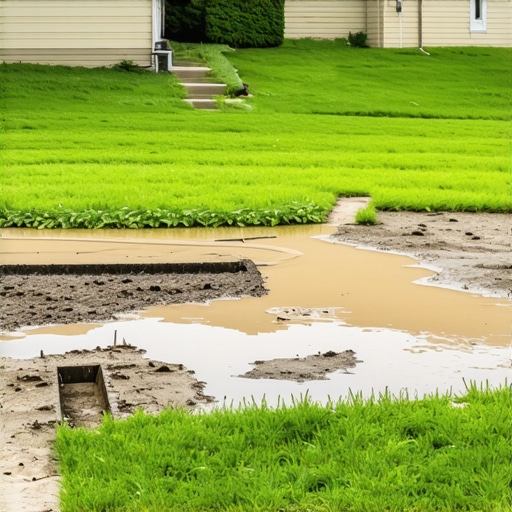
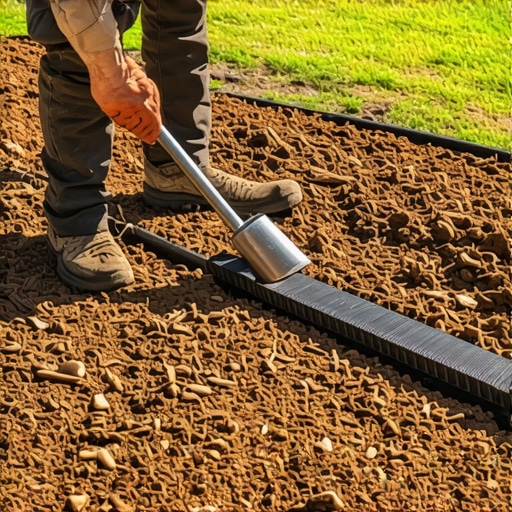
While seemingly unrelated to aphids, the drainage profile of your landscape is critical. For a standard patio, you need a minimum of 4 to 6 inches of modified 2A gravel (compacted in 2-inch lifts) to ensure water doesn’t pool. Poor drainage creates high humidity in the lower canopy of your plants, which is the exact micro-climate aphids and fungal pathogens thrive in. If you don’t fix the grade, you are just masking the problem with spray.
The Master Mix: Your 2026 Organic Protocol
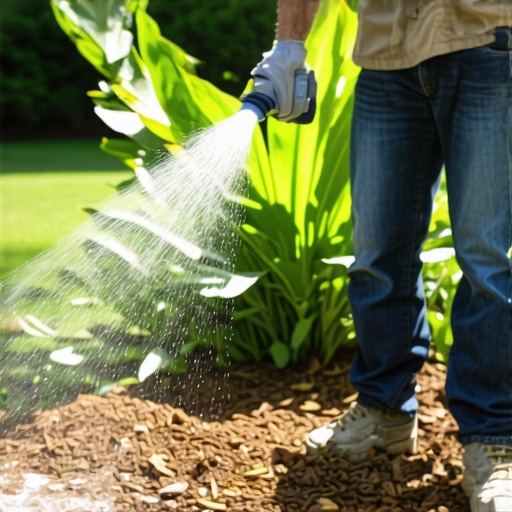
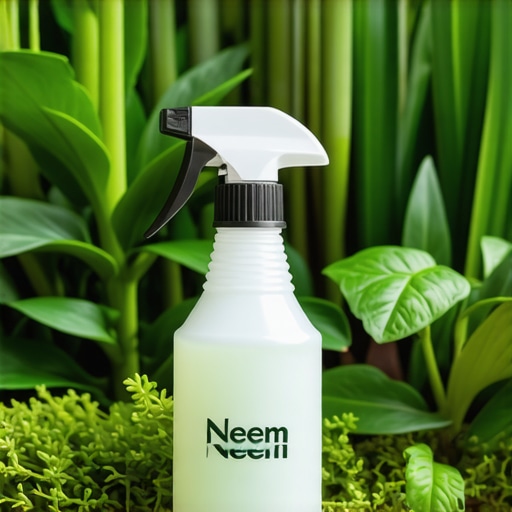
Not all neem is created equal. Most of what you find in big-box stores is ‘clarified hydrophobic extract of neem oil.’ This stuff is garbage. It has had the Azadirachtin—the actual active ingredient—removed. You need 100% cold-pressed neem oil. To make a gallon of the ‘contractor grade’ mix: start with one gallon of warm water (about 70 degrees), add 1 to 2 teaspoons of a high-quality emulsifier like Castile soap, and then slowly stir in 1 tablespoon of the neem oil. The soap breaks the surface tension, allowing the oil and water to bond. If you see oil beads floating on top, it’s not mixed. Stop and fix it. Spraying straight oil will scorch your leaves via phytotoxicity.
- Inspection: Check the terminal buds and leaf undersides weekly.
- Timing: Only spray at dusk or dawn to avoid sun-scorch and hitting foraging bees.
- Coverage: You must achieve 100% saturation. If the leaf isn’t dripping, you missed a spot.
- Soil Health: Test your pH. Aphids love plants in acidic, calcium-deficient soil.
When is the best time to spray neem oil?
The best time to apply neem oil is in the late evening after the sun has lost its intensity. This prevents the oil from acting as a magnifying glass and burning the plant tissue (phototoxicity). Furthermore, it allows the spray to dry before beneficial insects like ladybugs or lacewings become active the following morning. Never spray when temperatures exceed 85 degrees Fahrenheit. It will fail. Consistency is key here. You are playing a long game against a pest that can reproduce asexually.
“A retaining wall doesn’t fail because of the stone; it fails because of the water trapped behind it.” – Hardscape Engineering Axiom
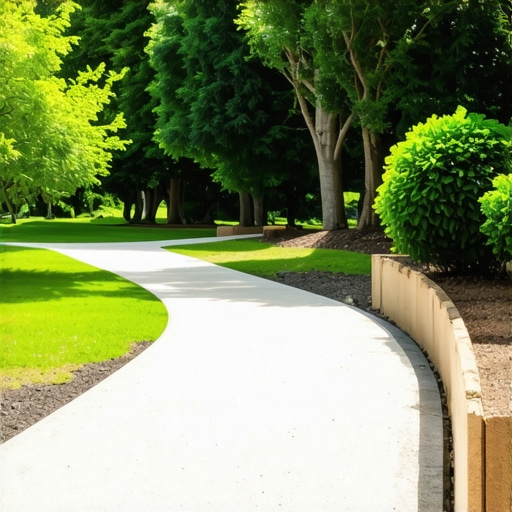
The same logic applies to your plants. They don’t fail because of the aphid; they fail because the environment (soil, water, nutrition) was already broken. If you have a wall that isn’t draining, the resulting soil saturation causes root rot, which stresses the plant and triggers the release of volatile organic compounds (VOCs) that actually signal aphids to come and attack. It’s a biological chain reaction. Every choice you make in garden design impacts the pest pressure you’ll face in 2026. Use the spray to manage the current crisis, but fix your soil and drainage to solve the problem permanently. Stop being a hack. Focus on the biology.