Stop 2026 Foundation Damage: 3 Downspout Rules
The $30,000 Hardscape Autopsy: Why Your Foundation is at Risk
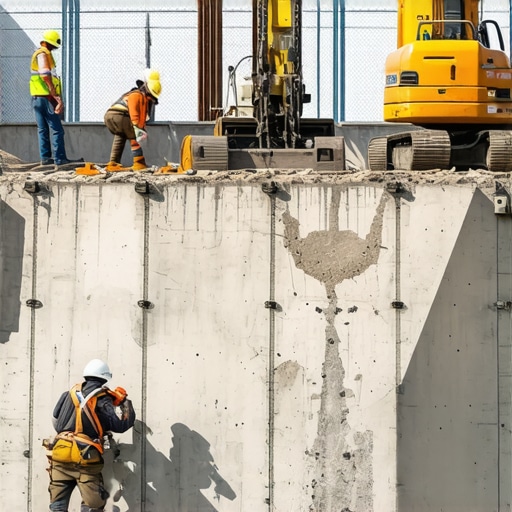
I recently got called out to tear up a $30,000 patio that was sinking because the previous contractor ignored basic hydrology; the downspouts were dumping five feet from the foundation, saturating the sub-grade until the soil reached its liquid limit. Preventing foundation damage requires a 10-foot discharge minimum, a 2% minimum grade, and the use of rigid PVC over corrugated pipe to ensure water is physically moved away from the structural footprint. If you ignore these mechanical realities, your home’s footer will eventually settle, crack, or heave as the soil expands and contracts. This isn’t about aesthetics. This is about structural engineering and managing thousands of gallons of runoff that hit your roof every year. Water is the most destructive force in landscaping. It will win every time if you don’t give it a controlled path. You cannot negotiate with hydrostatic pressure.
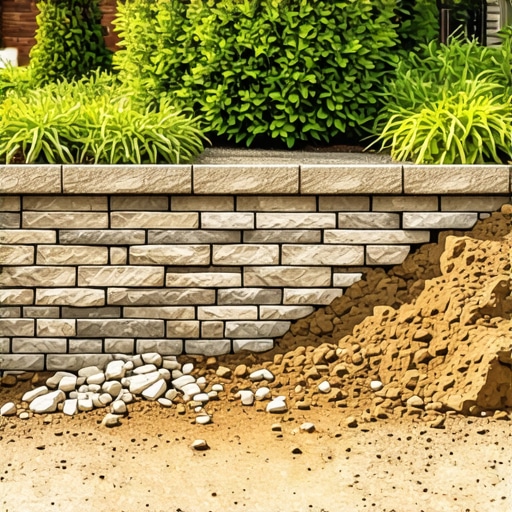
“A retaining wall doesn’t fail because of the stone; it fails because of the water trapped behind it.” – Hardscape Engineering Axiom
Rule 1: The 10-Foot Critical Displacement
To stop foundation damage, you must discharge downspout water at least 10 feet away from the home because this distance moves the moisture past the ‘backfill zone,’ which is the loosely compacted soil originally excavated for your foundation. When water enters the backfill zone, it creates hydrostatic pressure against your basement or crawlspace walls. Most builders stop at 3 to 5 feet. That is a recipe for failure. By the time we hit 2026, those few years of saturation will have created a permanent muddy pocket that compromises the soil’s load-bearing capacity. I see it every week. A homeowner thinks they are safe because they have an extension. But if it’s only 4 feet long, the water is just soaking back into the gravel footer. You need a solid, non-perforated line to take it further. Use 4-inch Schedule 40 PVC. It’s more expensive than the black corrugated stuff. It’s also the only thing that won’t crush when you drive a lawnmower over it. I tell my crew: if you use the cheap pipe, you’re building a future leak. Don’t skip this. Check your measurements twice. Use a laser level. If that water isn’t moving, your house is sinking.
| Material Type | Expected Lifespan | Flow Efficiency | Crush Strength |
|---|---|---|---|
| Schedule 40 PVC | 50+ Years | High (Smooth Wall) | 3,000+ PSI |
| Thin-Wall Triple Wall | 15-20 Years | Medium | 1,500 PSI |
| Black Corrugated Pipe | 5-10 Years | Low (Turbulence) | Low / Easily Crushed |
Rule 2: The 2-Percent Grading Mandate
Proper garden design requires a minimum 2% slope away from the foundation, which translates to a 1-inch drop for every 4 feet of horizontal distance, ensuring that surface water cannot pool near the structure. This is civil engineering 101. If your lawn care routine involves adding mulch every year, you might have accidentally created a ‘mulch volcano’ or a negative grade against your house. This traps water. I’ve seen ‘professional’ landscapers build beautiful flower beds that actually act as bathtubs for the house foundation. You have to look at the soil, not the plants. In heavy clay soils, this is even more critical. Clay holds water like a sponge. When it gets wet, it expands. When it dries, it shrinks. This cycle is what snaps concrete foundation walls. You need to verify the grade with a transit or a simple string level. If the dirt is flat, you are in trouble. We often have to bring in several tons of clay-based fill to re-establish this pitch before we even think about putting down decorative stone or grass. It’s hard work. It’s dirty. But it’s the only way to keep your basement dry.
Rule 3: Subsurface Management and Cleanouts
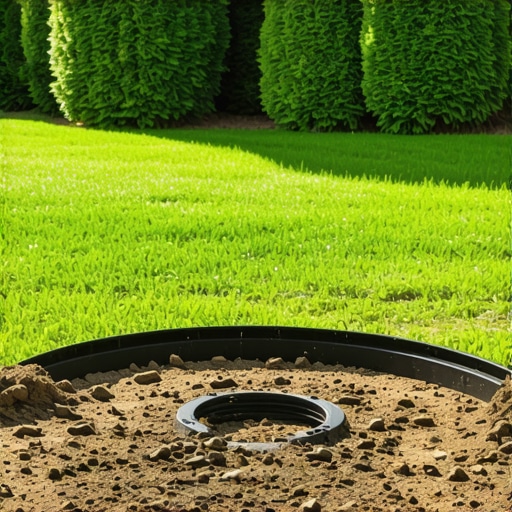
Effective hardscaping must include accessible cleanouts and debris filters to prevent the underground drainage system from clogging with shingle grit and organic matter, which would lead to catastrophic system failure during a 100-year storm. If you bury a pipe, you better know how to clean it. We install Y-junction cleanouts at every major turn. Why? Because tree roots are opportunistic. They will find a way into any seam. If you don’t have a way to snake that line, you’ll be digging up your yard in three years. Also, use a leaf filter at the top of the downspout. Don’t let the gutter debris even enter the underground line. It’s easier to clean a basket on the wall than it is to dig up a buried pipe. We also use #57 washed stone around any transition points to facilitate drainage. This isn’t a suggestion; it’s a requirement for a professional install. I won’t warranty a job without it.
“Surface drainage is the primary defense against soil saturation and subsequent foundation movement.” – Civil Engineering Soil Manual
- Inspect Downspouts: Check for clogs at the elbow monthly.
- Monitor Discharge Points: Ensure the pop-up emitter isn’t blocked by grass or mulch.
- Check Grading: Look for soil settling after heavy rains.
- Clean Gutters: Shingle grit will fill up your pipes and turn into concrete.
How much modified gravel do I need for a patio base?
For a standard patio, you need a 6-inch base of 2A modified gravel, which requires approximately 1 ton of material per 50 square feet. You must compact this in 2-inch lifts. If you throw 6 inches down and hit it with a plate compactor, only the top inch gets hard. The bottom stays soft. The patio will fail. Use a vibratory rammer for the edges.
Does a French drain need a catch basin?
Yes, adding a catch basin to a French drain system allows you to capture heavy surface runoff and provides a collection point for sediment. This prevents the perforated pipe from silting up over time. It also gives you an inspection port to see if the water is actually flowing. Without a basin, you’re just guessing. Don’t guess with your foundation. Use a 12×12 basin with a grate rated for foot traffic. It will save your lawn. It will save your basement. Stop 2026 foundation damage now before the wet season hits. Your future self will thank you for the extra effort today. It’s about physics. It’s about biology. It’s about doing the job right the first time.