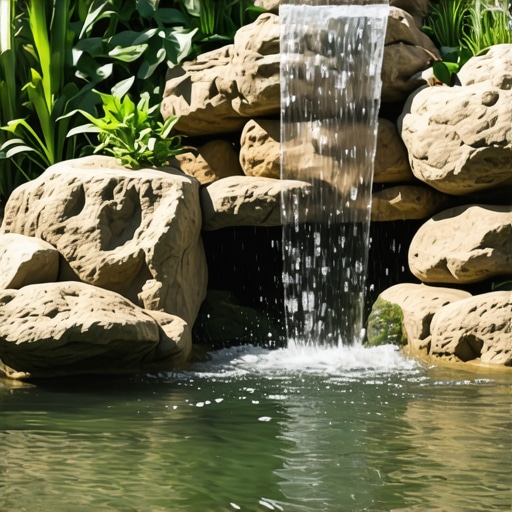
Stop 2026 Pond Algae with This $40 UV Clarifier
The Forensic Autopsy of a Stagnant 2025 Backyard Pond
A UV clarifier is a specialized filtration component that uses ultraviolet light in the C-band (254 nanometers) to penetrate the cell walls of planktonic algae, effectively disrupting their DNA and preventing reproduction. By installing a $40 unit into your existing pump line, you can eliminate ‘pea soup’ green water without the use of harsh copper-based chemicals or expensive biological overhauls.
I recently got called out to tear up a $30,000 pond setup that was basically a stagnant bowl of green sludge because the previous contractor didn’t understand hydrostatic pressure or biological load. The homeowner was ready to fill it with dirt and call it a day. The irony? The entire system failed because he ignored the nitrogen cycle. He had a massive pump pushing 5,000 gallons per hour through a filter the size of a bucket, and not a single piece of UV-C equipment to handle the planktonic bloom. The water was so thick with algae you couldn’t see the $500 Koi swimming six inches below the surface. This is what happens when ‘mow-and-blow’ guys try to play civil engineer. They build for the looks, not for the biology. I spent three days excavating the liner and resetting the boulder stack because the water was literally rotting from the inside out. We installed a simple, cost-effective UV clarifier, and within 72 hours, the water was gin-clear. It is not magic; it is photochemical engineering.
“Algae blooms are a symptom of a nutrient imbalance, specifically excess phosphorus and nitrogen within the closed aquatic ecosystem.” – Penn State Extension
How Does the $40 UV Clarifier Actually Work?
To understand why a cheap 9-watt or 13-watt UV unit works, you have to look at the physics of irradiation. When the algae cells—specifically the single-celled planktonic varieties—pass through the quartz sleeve of the clarifier, they are blasted with UV-C radiation. This light doesn’t kill them instantly; it causes thymine dimers to form in their DNA. This makes it impossible for the cells to divide. Since these algae have a lifespan measured in days, the population crashes almost immediately because there is no replacement generation. It is the most efficient way to manage a bloom without nuking your beneficial bacteria or the bio-film on your rocks. Most guys fail here because they buy a unit and hook it up to a pump that is way too powerful. You need dwell time. If the water moves too fast, the UV light doesn’t have enough contact time to scramble the DNA. It is like running your hand through a candle flame; if you go fast, you don’t get burned. If you go slow, you feel the heat. You want the algae to feel the heat.
| Clarifier Wattage | Max Pond Volume (Gallons) | Recommended Flow Rate (GPH) | Target Organism |
|---|---|---|---|
| 9 Watts | 500 – 1,000 | 200 – 400 | Planktonic Algae |
| 18 Watts | 1,500 – 2,500 | 500 – 800 | Bacteria / Algae |
| 36 Watts | 3,000 – 5,000 | 1,000 – 1,500 | Viruses / Parasites |
How much modified gravel do I need for a patio base?
While we are discussing the pond perimeter, remember that your hardscape stability impacts your water quality. For a standard paver patio surrounding a pond, you need a minimum of 6 inches of modified 2A gravel, compacted in 2-inch lifts. This prevents settling that could tear your pond liner. If your patio heaves, it shifts the soil grading, potentially dumping nitrate-heavy runoff into your pond during a rainstorm. This runoff is exactly what fuels the algae you are trying to kill with that UV light. Everything in landscaping is connected. You cannot fix the water if the land is draining into it poorly.
“The efficiency of a UV sterilizer is determined by the dosage of UV radiation, which is a product of light intensity and exposure time.” – Aquaculture Engineering Standards
What size UV clarifier do I need for a 1000 gallon pond?
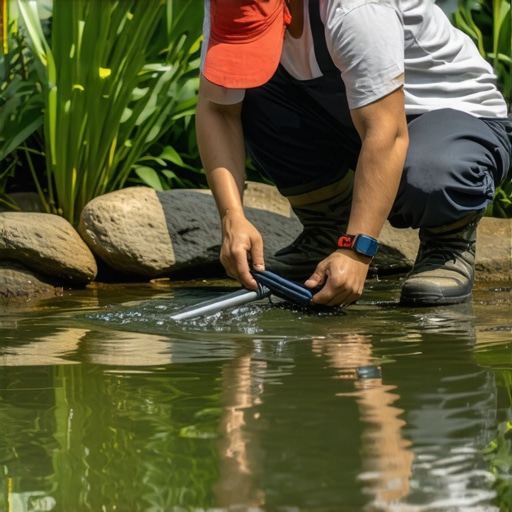
For a 1000-gallon system, a 9-watt UV clarifier is the bare minimum, but a 13-watt unit is the sweet spot. You must ensure your pump’s GPH matches the manufacturer’s spec for the clarifier. If you have a 2,000 GPH pump, you need to use a bypass valve to divert only a portion of the water through the UV light. This increases dwell time and ensures 100% sterilization. Don’t be the guy who buys a massive pump and wonders why the water is still green. It’s about microns and flow dynamics, not just raw power. Clean the quartz sleeve every month. Calcium deposits will build up on the glass, blocking the UV rays and making the unit useless. Use a mild acid or white vinegar to wipe it down. Do not use abrasive pads. One scratch on that glass and your transmittance drops by 30%.
- Check the Bulb: UV bulbs lose their effective wavelength after 8,000 to 9,000 hours. Even if it is still glowing blue, it is likely not emitting UV-C. Replace it every spring.
- Monitor Flow: Use a ball valve to slow the water. Total pond volume should turn over through the UV unit once every 2 to 3 hours.
- Seal the Fittings: Use teflon tape or silicone grease on the O-rings. A leak in the UV housing can lead to an electrical short in the ballast.
- Placement Matters: Always place the clarifier after your mechanical filter. If the water is full of debris, the UV light will be blocked by the ‘shadows’ of the floating gunk.
By 2026, climate patterns suggest we will see longer, warmer shoulder seasons. This means your water temperature will hit 60 degrees Fahrenheit earlier in the year, triggering algae blooms before your aquatic plants like lilies or iris have a chance to wake up and starve the algae of nutrients. The $40 UV clarifier acts as your biological insurance policy during this gap. It manages the nutrient spike before it turns into a nightmare. Stop buying algaecide that kills your anacharis and hornwort. Invest in the physics of light. It’s cleaner, it’s cheaper, and it actually works. Stick to the engineering standards and stop listening to the hacks at the big-box stores. Your pond is a living organism. Treat it like one.
![Why Your 2026 Pond Pump Keeps Clogging [Fix]](https://lawnmajesty.com/wp-content/uploads/2026/06/Why-Your-2026-Pond-Pump-Keeps-Clogging-Fix.jpeg)