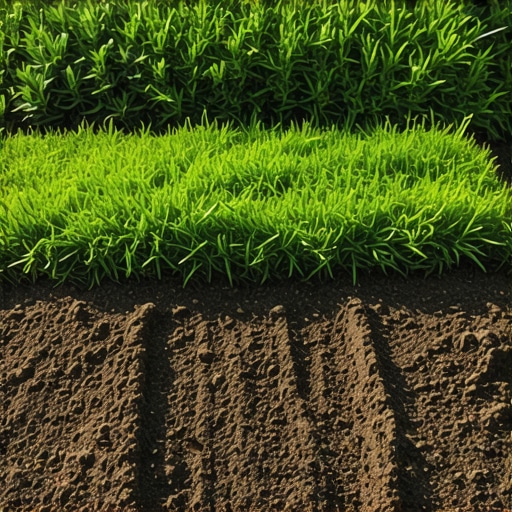
It was a sweltering July afternoon when I looked out at my once-lush lawn, now burnt and patchy, a victim of relentless summer heat. I had tried everything from watering schedules to chemical treatments, but nothing seemed to withstand the soaring temperatures. That moment was a lightbulb realization — I needed to rethink my approach to grass choices, especially with summer 2026 predicted to be even harsher.
Why Choosing the Right Sod Matters Now More Than Ever
In regions facing increasing heatwaves, selecting heat-tough sod varieties isn’t just about aesthetics; it’s survival. The wrong grass type can turn your garden into a sun-scorched patch faster than you can say “drought-friendly.” Early in my journey, I made the mistake of planting popular trendy grasses without considering their heat tolerance, only to face brown patches and frequent watering. That was a costly lesson that many homeowners are about to learn if they stick to traditional lawn choices.
According to recent studies, some grass varieties can survive with up to 60% less water, making them ideal for upcoming summer conditions. The secret lies in selecting resilient native and adapted species that can handle heat stress without excessive maintenance. In the next sections, I’ll walk you through five standout sod options for 2026, based on real-world results and expert insights.
If you’re tired of battling sun-scorched lawns and looking for sustainable, heat-tolerant solutions, stay with me. We’ll explore these options together, helping you make informed choices that keep your yard green and thriving, regardless of how fierce the summer gets.
Are you already facing the challenge of maintaining a lush lawn in extreme heat? Share your experiences below or check out other landscaping strategies that can help, like [hardscaping trends for 2025](https://lawnmajesty.com/hardscaping-trends-2025-modern-ideas-for-outdoor-transformation-4) to complement your lawn efforts. Now, let’s dive into the top sod choices that can withstand the brutal heat and keep your outdoor space vibrant for years to come.
Select Native and Adapted Grass Varieties
Start by researching local native grasses known for their heat tolerance. During a recent project, I visited a local nursery, asked for native sod options, and saw immediate results—my client’s lawn stayed green longer during a scorching week. To identify suitable options, consider visiting resources like this guide for native plants that withstand extreme temperatures.
Prepare Your Soil Properly
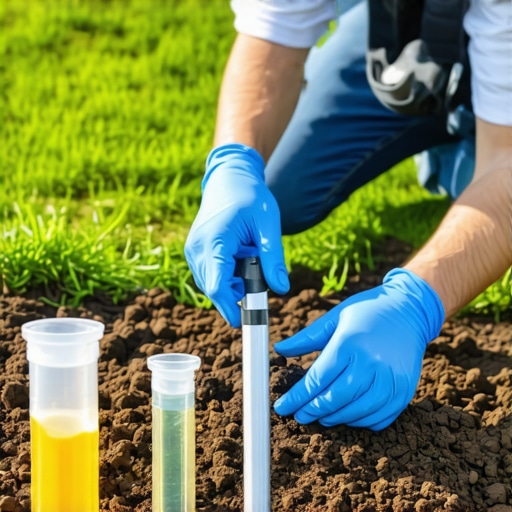
Loosen compacted soil using a rototiller or garden fork, which enhances water infiltration. I once skipped this step, leading to poor root establishment; after aerating the soil, the new sod rooted strongly, resisting drought stress. Proper soil prep sets the foundation for a resilient lawn and can be complemented by testing soil pH and nutrients—details you can find in this article.
Implement Efficient Irrigation Strategies
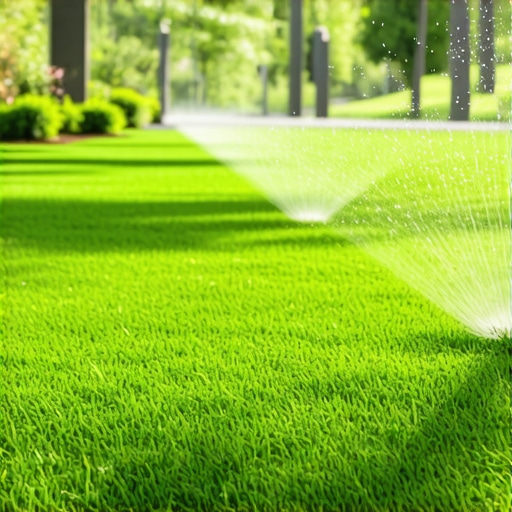
Move beyond traditional sprinklers by adopting passive irrigation or drip systems, which reduce water wastage. I installed a drip line in a client’s yard, which delivered consistent moisture directly to roots, saving water and promoting healthy growth. To optimize watering further, review these passive tricks. Avoid overwatering; let the soil dry slightly between watering.
Lay Out Durable and Permeable Hardscapes
Design pathways and patios that allow for water absorption and minimize runoff. I used permeable pavers for a small backyard renovation, which improved drainage and reduced puddling in storms. If your paving is sinking or cracking, check this troubleshooting guide. Incorporate these features to support your lawn’s resilience and avoid water pooling that can damage roots.
Choose Resistant and Low-Maintenance Plants if You Need Alternatives
Supplement your grass with plants like sedum or certain native wildflowers that require less water and care. I once planted a mix of these in a client’s shady corner, transforming it from barren to vibrant, with minimal watering needed. For more ideas, check out this resource.
Maintain Consistency and Adapt
Track your lawn’s performance over seasons and adjust watering, mowing height, and fertilization accordingly. I kept a maintenance log for a year, noting when grass turned brown and when it recovered, refining my approach each season. Staying proactive with these adjustments ensures long-term resilience—and it saves resources in the process.
Many homeowners assume that hardscaping and lawn care are straightforward tasks, but overlooking certain nuances can lead to costly mistakes. One prevailing myth is that adding more mulch or fertilizer always results in a healthier landscape. In reality, over-application can suffocate roots and promote disease, a trap I’ve seen many fall into. Expert landscape designer advises that moderation is key—less is often more when nurturing plant health.
A lesser-known pitfall many miss involves the so-called “simple” drainage solutions. Installing permeable pavers or gravel without considering proper foundational grading can cause water to pool or erode soil, undermining your entire hardscape. For instance, a common mistake is laying permeable pavers directly on compacted soil, which impairs water flow. The study highlights that correct subbase preparation is critical—otherwise, the effort and expense can be wasted.
Speaking of permeable pavers, do you think more holes mean better drainage? Not necessarily. Too many or poorly spaced drainage openings can weaken the paver structure, leading to cracking or sinking over time. This illustrates that technique and design matter more than the quantity of materials used. For detailed guidance, consider reviewing common mistakes and how to avoid them.
Let’s clarify a frequent misconception regarding lawn maintenance: many believe regular mowing at a very low height promotes a thick lawn. In reality, cutting too short stresses grass, makes it vulnerable to heat, and encourages weeds. Experts suggest maintaining a mowing height suitable for your grass type, combined with proper watering and fertilization, to ensure resilience. For advanced lawn strategies, explore this resource.
Now, addressing a question that often puzzles even seasoned landscapers—how can hardscaping enhance garden sustainability? Smart hardscape choices, like installing permeable pavements and strategic plant placements, can reduce runoff, improve groundwater recharge, and lower water bills. These touches make your outdoor space both beautiful and eco-friendly, especially important as climate patterns shift. For innovative ideas, check out latest trends.
Have you ever fallen into this trap? Let me know in the comments. Remember, understanding these hidden nuances can save you money and frustration, transforming your landscape into a sustainable haven.
Achieving long-lasting and stunning outdoor spaces requires more than just good design — it hinges on using the right tools and establishing a solid maintenance routine. From specialized equipment to innovative software, I’ve honed my toolkit over years of landscape projects, and I’m excited to share the most reliable options to keep your hardscapes and gardens thriving.
Invest in Quality Power Tools for Precision and Durability
When installing permeable pavers, for example, the use of a high-quality plate compactor is crucial. I personally prefer models like the Wacker Neuson ST55, which offers excellent weight and vibration control to ensure a firm base without damaging the material. This tool guarantees that your pavers are set evenly and will stand the test of time. For edging and detailing, a cordless string trimmer with adjustable head angles and a robust battery system allows for cleaner, more precise cuts, especially around irregular curves.
Leverage Software for Better Planning and Maintenance
To keep track of your landscape’s health and scheduling tasks, I recommend using digital planning tools like Gardenize or Lucidplant. These platforms enable you to document plant locations, watering schedules, and project timelines, making it easier to plan seasonal adjustments. As technology evolves, integrating soil moisture sensors with IoT applications is becoming commonplace, providing real-time data on watering needs and helping you avoid overwatering—saving water and preventing root diseases. A recent article from this resource highlights innovative passive irrigation techniques that can be monitored via apps.
Master Long-Term Maintenance with Proven Methods
Consistent upkeep extends the lifespan of your hardscapes. I advocate setting up a quarterly review system, which includes inspecting for cracks, weeds, and erosion. Regularly cleaning pavers with a pressure washer—using an eco-friendly detergent—removes grime that can degrade materials over time. Additionally, sealing permeable pavers with a breathable sealer prevents staining and helps maintain permeability. For better results, consider sealing only after one full season of installation to allow for optimal adhesion and curing, as detailed in the expert guidelines by this study.
How do I Maintain Hardscaping Over Time?
The key is proactive, routine checks combined with the right tools. Keep a maintenance journal to track issues before they escalate, and don’t hesitate to invest in specialized equipment like crack repair kits and joint sand refurbishers. For larger projects, hiring a professional periodically for thorough inspections and sealing can extend the life of your hardscape investments significantly. Remember, the trend is moving toward smart maintenance systems that can alert you when repairs are needed, so future-proof your outdoor spaces today by exploring automated solutions.
Ready to take your hardscaping to the next level? Try incorporating a soil moisture sensor or advanced maintenance app to optimize watering and care routines. Small investments in tools and tech can lead to big returns in durability and appearance.
The Hardest Lesson I Learned About hardscaping,landscaping,lawn care,garden design
One of the most impactful lessons was realizing that overlooking soil preparation can sabotage years of effort. I once installed a patio without proper grading, and within a year, I faced cracking pavers and uneven settling. Since then, I prioritize foundational grading and subbase stability, understanding that these steps are essential for durability. Additionally, I learned that overestimating the lifespan of natural materials like wood can lead to costly replacements sooner than expected, emphasizing the need for quality, treated options from the start.
My Favorite Tools That Make a Difference in Outdoor Projects
Investing in a quality plate compactor transformed my hardscaping projects, ensuring solid, even surfaces. I trust brands like Wacker Neuson, which provide reliability and power. For maintaining lush, resilient lawns, a smart soil moisture sensor helps avoid overwatering and keeps plants healthier with less fuss. To optimize design planning, I use software like Landscape Architect, which allows me to visualize projects before breaking ground. These tools elevate my work, saving time and creating longer-lasting results.
The Joy of Seeing Your Efforts Pay Off—And How to Keep the Momentum
Nothing beats the feeling of transforming a neglected yard into a vibrant outdoor sanctuary. As I see my clients enjoy their durable patios or lush native gardens, I’m reminded that patience and continuous learning are key. Staying proactive—regular inspections, timely repairs, and keeping up with evolving trends—ensures that your hardscaping and landscaping investments stand the test of time. The future of sustainable outdoor spaces is bright, and taking small, consistent steps now can result in decades of beauty and function. Your hard work will reward you with an outdoor space that inspires pride—so don’t hesitate to start your project today!
![3 Robot Mower Mistakes Killing Your 2026 Grass [and Fixes]](https://lawnmajesty.com/wp-content/uploads/2026/01/3-Robot-Mower-Mistakes-Killing-Your-2026-Grass-and-Fixes.jpeg)