The $10 Trick to Keep Squirrels Out of Bird Feeders
Designing for Wildlife: The Engineering Reality of Garden Pests
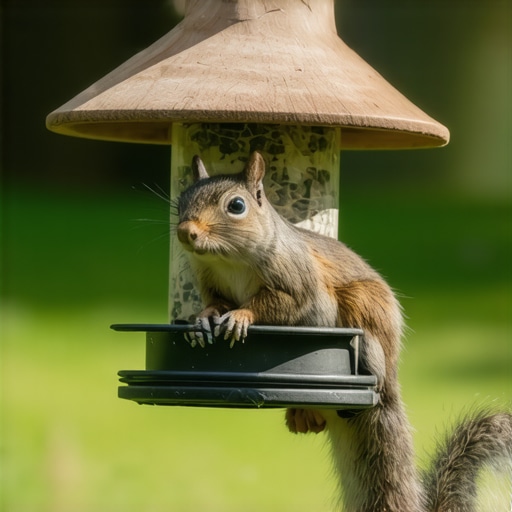
The secret to a squirrel-proof bird feeder is the application of the 5-7-9 rule of squirrel ballistics combined with a $10 mechanical baffle made of a metal Slinky or PVC pipe. By understanding the rodent’s jumping capacity—five feet vertical, seven feet horizontal—you can position your feeding station in a dead zone that defies their reach. This is not about cute garden accessories; it is about physics and biology.
I always drill into my new crew members: if you don’t fix the soil grading first, every plant you put in the ground is just expensive compost. The same logic applies to bird feeders. You can buy the most expensive copper-topped feeder in the catalog, but if you hang it two feet from a maple branch, you’ve just built a very expensive cafeteria for Sciurus carolinensis. I’ve spent twenty years watching homeowners throw money at ‘guaranteed’ pest solutions while ignoring the basic geometry of their yard. We approach this like we approach a retaining wall: identify the load, calculate the pressure, and mitigate the failure points before they start.
Why Most Squirrel Deterrents Fail at the Biological Level
To stop a squirrel, you must understand its grip strength and metabolic drive. A squirrel’s incisors grow at a rate of 6 inches per year, necessitating constant gnawing. Most plastic bird feeders are rated at a hardness that a squirrel can breach in under four minutes. Furthermore, their musculoskeletal structure allows them to rotate their hind ankles 180 degrees to descend head-first. If your feeder lacks a mechanical break in this kinetic chain, the squirrel wins. Don’t waste money on peppermint oil or spicy seed; those are temporary fixes for a structural problem.
“A retaining wall doesn’t fail because of the stone; it fails because of the water trapped behind it. Similarly, a bird feeder doesn’t fail because of the bird; it fails because of the path provided to the rodent.” – Hardscape Engineering Axiom
The $10 Solution: The Slinky Baffle and PVC Sleeve
The most effective deterrent I’ve seen in two decades costs less than a lunch at a diner. It involves a standard metal spring toy (a Slinky) or a 4-inch diameter PVC pipe sleeve. When a squirrel attempts to climb a pole equipped with a free-hanging Slinky, the spring’s lack of tension causes the animal to descend as the coil expands. It is a mechanical failure the squirrel cannot calculate. For under $10, you are leveraging gravity against the animal’s own weight. It works every time. No batteries. No poisons. Just physics.
How much modified gravel do I need for a patio base?
Calculating the base for a bird feeder station requires a minimum of 4 inches of compacted #21A or 3/4-inch modified gravel to prevent pole lean and frost heave. For a standard 10×10 foot area under a feeder, you will need approximately 1.25 cubic yards of material to ensure stability and proper drainage. This prevents the pole from tilting, which would otherwise compromise the vertical clearance required for your squirrel baffles to function.
| Deterrent Type | Average Cost | Failure Rate | Primary Mechanism |
|---|---|---|---|
| Mechanical Baffle (Slinky/PVC) | $8.50 – $12.00 | Low | Gravity & Tension Loss |
| Capsaicin-Treated Seed | $25.00/bag | Medium | Chemical Irritant |
| Weight-Sensitive Feeders | $65.00 – $110.00 | Medium | Spring-Loaded Closure |
| Ultrasonic Devices | $35.00 – $50.00 | High | Acoustic Disruption |
The 5-7-9 Rule: Site Placement for Maximum Efficiency
Site placement is the most overlooked aspect of garden design. If you place a feeder within 7 feet of a fence, the squirrel will leap laterally. If you place it under a branch lower than 9 feet, they will drop from above. You must create a ‘no-man’s land’ in your landscape. I tell my clients to treat the feeder like a drainage exit—it needs space to breathe. Don’t place it near your prized Mahonia or Berberis unless you want those shrubs trampled.
Soil Health and Bird Seed Waste Management
Landscaping isn’t just about what you plant; it’s about what you prevent. Bird seed hulls, particularly from black oil sunflower seeds, are allelopathic. They contain chemicals that inhibit the growth of turf grass. If you let hulls accumulate on your lawn, you are effectively poisoning your soil. The pH will drop, and the Nitrogen-Phosphorus-Potassium (NPK) balance will be thrown into chaos. Always use a ‘no-waste’ blend or place your feeder over a hardscape area or a bed of 3-5 inch river rock to allow for easy cleanup.
- Step 1: Select a 1-inch diameter metal mounting pole.
- Step 2: Set the pole 24 inches deep in compacted gravel—do not use concrete.
- Step 3: Thread the $10 metal Slinky over the pole and secure it at the top.
- Step 4: Ensure the feeder base is exactly 5 feet from the ground.
- Step 5: Clear all lateral jump points within a 10-foot radius.
How to restore lawn health under a bird feeder?
To restore lawn health under a feeder, you must physically remove the hull debris and apply a localized application of pelletized lime to neutralize the soil acidity. Aerate the soil to a depth of 3 inches to break up the compaction caused by bird traffic and bird-dropping-induced nitrogen burn. Reseed with a hardy fescue blend that can handle high traffic. If you skip the lime, the new seed will fail. High acidity kills seedlings. It is that simple.
“Soil pH is the primary governor of nutrient availability; when bird seed waste accumulates, it creates an anaerobic environment that locks out essential minerals.” – Agronomy Manual for Turf Professionals
Hardscape Integration: The River Rock Basin
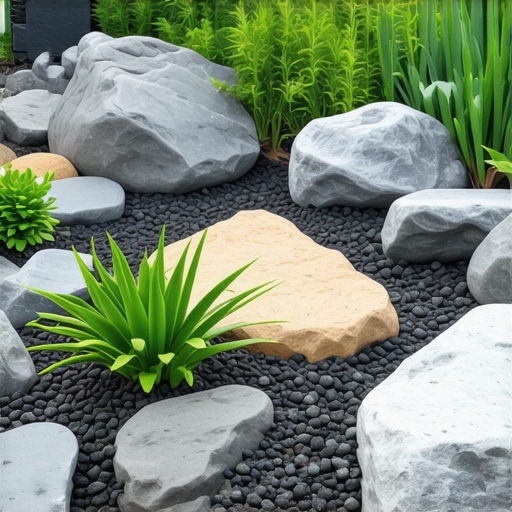
In high-end garden design, we don’t just stick a pole in the grass. We excavate a 4-foot diameter circle, line it with heavy-duty landscape fabric (non-woven 4oz), and fill it with decorative river rock. This creates a catchment basin for seed. It prevents weeds. It looks intentional. Most importantly, it keeps the squirrels from foraging on the ground near the pole, which reduces the number of ‘test jumps’ they attempt. This is how a pro manages a yard. We don’t fight nature; we out-engineer it.