The Best Way to Handle Overgrown Shrubs in an Old Garden
Identifying the Root Cause of Shrub Overgrowth
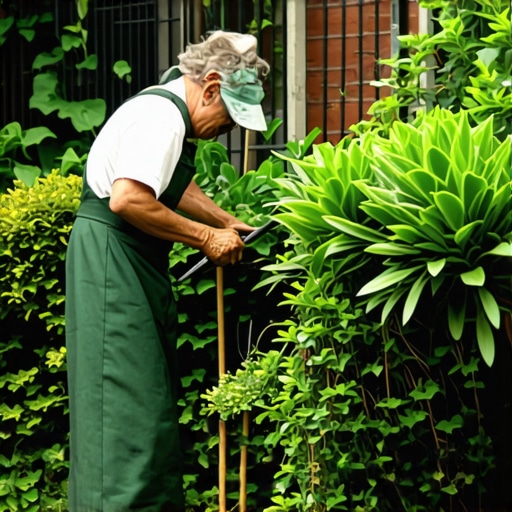
To handle overgrown shrubs effectively, you must distinguish between rejuvenation pruning, selective thinning, and complete removal based on the plant species’ ability to regenerate from old wood. This process involves assessing the root flare, checking for pathogenic fungi, and utilizing sanitized bypass pruners to prevent disease transmission while restoring structural integrity.
I always drill into my new crew members: if you don’t fix the soil grading first, every plant you put in the ground is just expensive compost. I remember a project in a 1940s estate where the boxwoods had grown into six-foot-tall walls of dead wood and scale insects. The homeowner wanted a quick trim. I told them that a quick trim on a plant that has been neglected for twelve years is like putting a bandage on a broken femur. We had to look at the soil compaction and the fact that the gutters were dumping water right into the root zone. You cannot prune your way out of a drainage disaster. The shrubs were suffocating. The lack of oxygen in the rhizosphere meant that any new growth was weak and susceptible to blight. We spent three days just correcting the grade before a single pair of loppers touched a branch.
The Forensic Autopsy of a Neglected Border
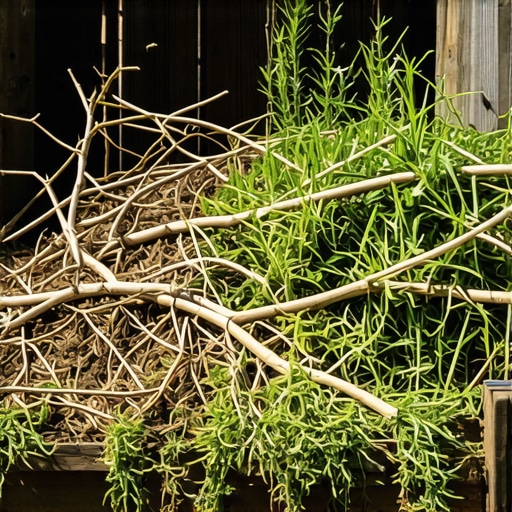
Neglected garden borders fail because of light competition, resource depletion, and unchecked apical dominance, which leads to leggy stems and a total lack of foliage in the plant’s interior. When shrubs are left to fend for themselves, the upper canopy shades out the lower branches, causing them to die off and leaving a skeletal structure that provides zero privacy or aesthetic value.
Walking into an old garden is like performing an autopsy. You see the white crust of scale on the euonymus. You see the deep, vertical cracks in the bark of the maples where the sun scalded them after a hack-job pruning years ago. You see the mulch volcanoes. I hate mulch volcanoes. If you pile mulch against the trunk, you are begging for rot. The bark stays wet, the cambium layer dies, and the tree is toast. We look for the root flare. If it is buried, we excavate. If the soil is hard as a rock, we aerate. Most of these overgrown monsters are actually starving for air, not just water. They are stressed, and stressed plants attract pests. It is a biological certainty.
“Proper pruning is the intentional wounding of a plant to achieve a specific landscape objective while minimizing the impact on its physiological health.” – Virginia Tech Cooperative Extension
Rejuvenation Pruning vs. Total Removal
Deciding between rejuvenation pruning and complete removal depends on the shrub species, the current health of the root system, and the desired landscape timeline. Hard rejuvenation involves cutting the plant back to 6 to 12 inches from the ground, while removal is necessary when the woody structure is infested with borers or the soil is too contaminated for recovery.
| Method | Pros | Cons | Best For |
|---|---|---|---|
| Hard Rejuvenation | Low cost, preserves established roots | Looks ugly for one season, high stress | Forsythia, Lilac, Privet |
| Selective Thinning | Maintains natural shape, less stress | Takes 3 years for full result | Azaleas, Hollies, Boxwood |
| Complete Removal | Immediate fresh start, removes disease | Highest cost, requires new planting | Dead wood, invasive species, rotted cores |
The Three-Year Thinning Rule
The safest way to restore an overgrown shrub is the one-third rule, where you remove only 33 percent of the oldest wood each year over a three-year period. This method prevents hormonal shock and allows the plant to maintain enough photosynthetic surface area to feed its root system while stimulating new, juvenile growth from the base.
It will rot. If you cut everything at once on a sensitive species like an old Holly, you might kill it. Plants use auxins and cytokinins to manage growth. When you chop off the top, you disrupt that hormonal balance. The plant panics and throws out epicormic sprouts. These are those weak, vertical suckers you see on trees after a bad storm or a bad pruning. They are weakly attached and look like garbage. Do not do it. Patience is a horticultural tool. Use it. [image_placeholder]
The Role of Soil Chemistry and Drainage
Shrub health is directly tied to soil pH levels and cation exchange capacity, which dictate how well the plant can uptake essential nutrients like nitrogen, phosphorus, and potassium. In old gardens, the soil is often compacted and depleted, requiring organic matter integration and potential grade correction to prevent hydrostatic pressure from damaging nearby hardscaping.
If you have a retaining wall near your overgrown shrubs, pay attention. Water trapped behind that wall will kill your plants and then knock down your wall. I have seen $50,000 walls bow out because some gardener planted thirsty shrubs without a proper French drain. The hydrostatic pressure builds up, the soil saturates, and the whole system fails. Engineering matters. Biology matters. They are the same thing in a landscape. You need to test your soil. If your pH is at a 7.5 and you are trying to grow blueberries or azaleas, you are wasting your time. They will turn yellow (chlorosis) and die. Fix the dirt first.
“The goal of renovation pruning is to stimulate new growth from the base of the plant by removing old, unproductive wood over a period of several seasons.” – Purdue University Consumer Horticulture
How much can I cut back an overgrown boxwood at once?
For a healthy boxwood, never remove more than one-third of the total foliage in a single growing season. Focus on thinning the outer canopy to allow light and air into the interior, which prevents fungal issues like boxwood blight and encourages internal budding on old wood.
What are the best tools for clearing thick brush?
Professional clearing requires bypass loppers for stems up to 1.5 inches, a razor-tooth folding saw for larger limbs, and a gas-powered brush cutter with a metal blade for woody saplings. Always ensure blades are diamond-sharpened and disinfected with 70 percent isopropyl alcohol between plants to prevent disease spread.
Checklist for Post-Pruning Care
- Sanitation: Clean all tools with alcohol to prevent spreading blight or wilt.
- Irrigation: Water deeply once a week to reaching 12 inches of soil depth.
- Mulching: Apply 2-3 inches of aged arborist chips, keeping it away from the trunk.
- Monitoring: Watch for aphids or spider mites that target tender new growth.
- Nutrition: Apply a balanced, slow-release fertilizer only after new growth appears.
Do not skip the watering. Pruning is surgery. The plant is in recovery. If you prune in the heat of July and don’t water, you are a hack. Ideally, you prune in late winter when the plant is dormant. This minimizes sap loss and stress. Once the cuts are made, the plant needs to seal them. It does not ‘heal’; it compartmentalizes. It grows a chemical and physical barrier around the wound. If the plant is stressed, it cannot build that barrier. Then the fungus gets in. Then you are back to square one with a dying plant. Do it right or do not do it at all.