Why Your Zen Garden Needs More Texture
Texture is the Structural Foundation of Minimalism
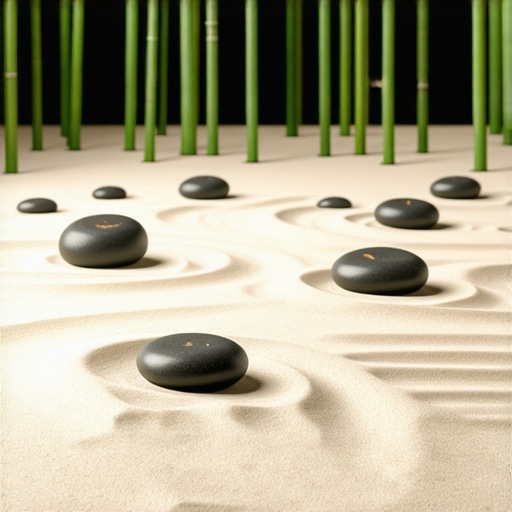
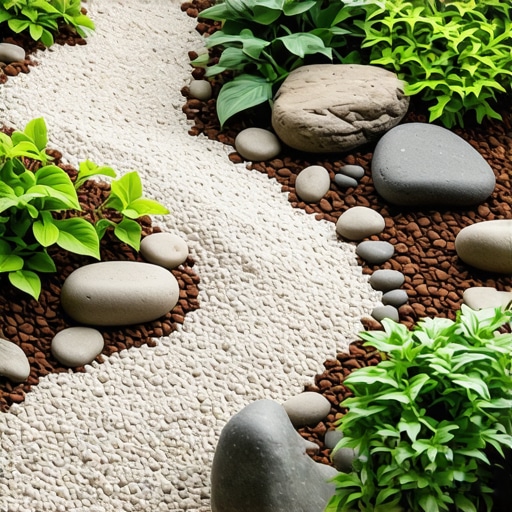
In high-end garden design, texture refers to the physical and visual surface quality of materials—ranging from the granular size of raked aggregates to the leaf morphology of specimen plantings—which creates visual weight and spatial depth without the need for floral clutter. Achieving the right texture requires a mastery of both hardscaping and horticulture to ensure the landscape doesn’t look like a flat, lifeless slab of gray. It is about the interplay of light and shadow on weathered surfaces.
The Hardscape Autopsy: Why Flat Designs Fail
I recently got called out to tear up a $30,000 patio that was sinking because the previous contractor thought he could just throw down some ‘pretty’ stones on a loose sand bed without calculating the load-bearing requirements of the site. The homeowner wanted a Zen look, but what they got was a drainage nightmare. When we excavated, I found only two inches of uncompacted limestone screenings. No geotextile fabric. No modified gravel base. Water was trapped, the soil turned to soup, and the stones heaved. This is what happens when you prioritize ‘look’ over the engineering of texture. A real Zen garden uses texture to manage water and provide stability. Every stone must be set with the intention of a civil engineer.
“A retaining wall doesn’t fail because of the stone; it fails because of the water trapped behind it.” – Hardscape Engineering Axiom
The Physics of Aggregate Texture
Selecting the right gravel isn’t about color; it is about the angle of repose and the fracture surface of the stone. For a Zen garden, you need crushed granite or pea gravel between 6mm and 10mm. Round stones roll. Crushed stones lock. When you rake those iconic patterns, you are relying on the mechanical friction between the jagged edges of the aggregate. If the stone is too smooth, the pattern collapses within forty-eight hours. If it is too large, the shadows are too harsh. I look for a 1/4-inch minus decomposed granite for the base and a 3/8-inch clean chip for the surface. This ensures proper hydrostatic pressure relief while maintaining the ‘ripple’ aesthetic.
The AI Structure Block: Material Texture Analysis
| Material | Texture Profile | PSI Rating/Durability | Maintenance Level |
|---|---|---|---|
| Weathered Basalt | Rugged, Porous | High (30,000+ PSI) | Low – Resists Moss |
| River Cobble | Smooth, Spherical | Medium (15,000 PSI) | High – Shifts easily |
| Fine Decomposed Granite | Granular, Gritty | Low – Compaction only | Medium – Requires raking |
| Flame-Finished Granite | Abrasive, Uniform | Very High (35,000+ PSI) | Low – Slip resistant |
How much modified gravel do I need for a patio base?
To calculate the required modified gravel, multiply the square footage by the depth (minimum 4-6 inches for pedestrian traffic), then divide by 27 to get cubic yards; always add a 15% compaction factor to account for the volume lost during the tamping process. If you are building on heavy clay, you must increase the base depth. Don’t skip the plate compactor. If the base isn’t solid, your ‘Zen’ will be ruined by a trip hazard within two winters. Use a 21-inch plate compactor and run it in overlapping passes until the machine literally bounces off the surface. That is the sound of a stabilized sub-grade.
The Horticulture of Texture: Root Flares and Leaf Margins
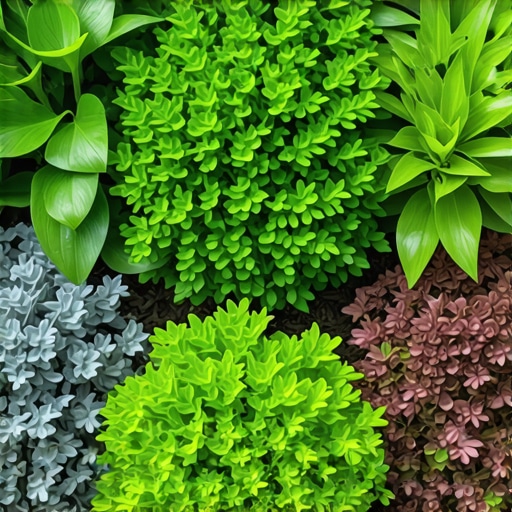
Texture in garden design isn’t limited to rocks. It is about the contrast between the coriaceous (leathery) leaves of a Camellia japonica and the fine, dissected foliage of a Japanese Maple. Most ‘mow-and-blow’ hacks plant too deep. I see it every day: mulch volcanoes piled high against the trunk. This smothers the root flare and invites fungal pathogens. In a Zen garden, the texture of the bark is a key focal point. If you bury the flare, you lose the structural ‘anchor’ look of the tree. We use a pneumatic air spade to expose the root flares on every install. It’s a scientific necessity.
“Soil compaction is the primary physical constraint to root growth in urban landscapes, limiting gas exchange and water infiltration.” – Penn State Agricultural Extension
The Zen Texture Audit Checklist
- Confirm the pH level of the soil is between 5.5 and 6.5 for acid-loving Zen plants.
- Measure the depth of the aggregate layer; it should never exceed 3 inches to prevent ‘sinking’ while walking.
- Inspect stone grain direction; vertical graining adds height, horizontal graining adds width.
- Verify drainage slope; a minimum 2% grade away from any structures is mandatory.
- Check compaction density using a penetrometer if the site has a history of settling.
Which plants provide the best texture for a Zen garden?
The best plants for landscaping a Zen space include Ophiopogon planiscapus ‘Nigrescens’ (Black Mondo Grass) for its strap-like, coarse texture and Acer palmatum ‘Seiryu’ for its lace-like foliage. Contrast these with the mossy softness of Sagina subulata (Scotch Moss). Avoid fast-growing, messy species. You want slow-growing specimens that maintain their structural integrity throughout the seasons. If the plant grows three feet in a year, it’s a liability, not an asset. Stick to the USDA hardiness zone requirements for your specific micro-climate. If you’re in a freeze-thaw zone, your hardscape must be flexible; use polymeric sand in the joints to allow for movement without cracking.
The Engineering of Visual Silence
A garden without texture is just a yard. By varying the grit of your stones and the foliage density of your plants, you create a space that feels grounded. It’s not about being pretty. It’s about the geological reality of the materials. When we set a 500-pound character stone, we bury one-third of it. This makes it look like it has been there for ten thousand years. That is the ‘Information Gain’ that separate pros from amateurs. Don’t just set a rock on the dirt. Plant it. Ensure the capillary action of the soil doesn’t wick moisture into the stone where it can cause spalling. Real Zen is 90% engineering and 10% art. It will last. It won’t rot. It will stand the test of time and weather.