
5 2026 Best Perennials for High Sun Privacy Screening
5 2026 Best Perennials for High Sun Privacy Screening
The yard is a biological machine. If the gears are ground down, the machine fails. I always drill into my new crew members: if you don’t fix the soil grading first, every plant you put in the ground is just expensive compost. I have watched too many rookies drop high-end perennials into a hole that has essentially become a bathtub of uncompacted clay. By the time the owner realizes the roots are drowning, the contractor is long gone with their check. Building a privacy screen is not about picking pretty flowers; it is about site engineering, hydraulic management, and selecting the right biological units to intercept sightlines. 80% of the work happens before the first plant is even off the truck.
The Physics of Perennial Privacy Screening
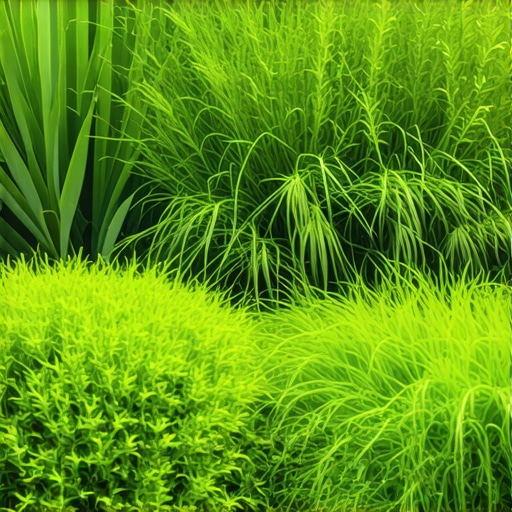
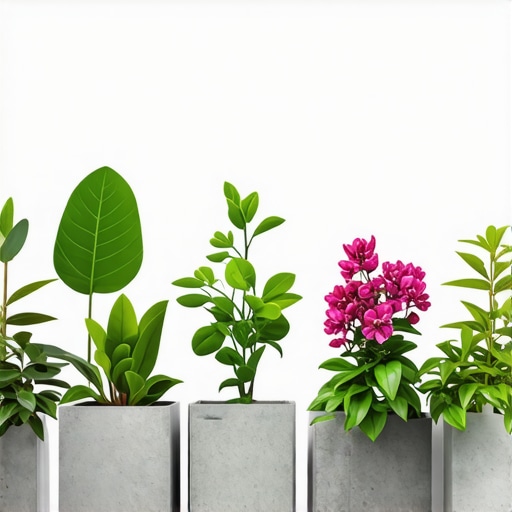
To build a effective perennial privacy screen, you must select species with high foliar density and structural rigidity that reach at least six feet in height by mid-summer. These plants function as biological baffles, breaking up wind and visual contact while anchoring the soil with deep fibrous root systems that prevent erosion. Understanding the phenology of these plants is critical for year-round utility. [IMAGE_PLACEHOLDER_1]
“Soil structure is the arrangement of soil particles into aggregates. Good structure is essential for root penetration and water movement.” – Penn State Extension Soil Manual
1. Panicum virgatum (Switchgrass): The Structural Workhorse
Switchgrass is a C4 warm-season grass that provides verticality and structural integrity through the winter months, reaching heights of seven feet in optimal conditions. This species is preferred for 2026 garden design because it resists lodging – the tendency of tall plants to flop over – even during high-wind events. Its deep root system can extend ten feet into the ground, making it a champion of drought resistance and soil stabilization. We look for newer cultivars like ‘Blue Fountain’ for their upright habit and resistance to rust. Don’t crowd them. Give them room to breathe or you’ll invite fungal pathogens. It will rot if you don’t manage the spacing.
2. Eutrochium fistulosum (Joe Pye Weed): The Biomass Giant
Joe Pye Weed is a powerhouse for screening, producing massive stems and large leaves that create a dense wall of vegetation by early July. For landscaping applications requiring maximum height, this perennial can hit eight feet, provided the soil has adequate moisture retention. The stems are hollow but remarkably strong, utilizing lignin reinforcement to stay upright. In high-sun areas, you must monitor the turgor pressure; if the leaves flag, the plant is losing more water than the roots can pull. It needs deep loamy soil. A shallow hole is a death sentence for this giant.
3. Hibiscus moscheutos (Hardy Hibiscus): Dense Foliar Walls
Hardy Hibiscus offers a level of foliar density that few other perennials can match, creating a thick green barrier that is almost impossible to see through. These plants are late to emerge in the spring, but their growth rate is aggressive, often putting on four to five feet of height in a matter of weeks. They require significant nutrient inputs, specifically phosphorus, to maintain their cellular health and support the massive biomass they produce each season. Do not confuse these with tropical varieties; these are rugged, winter-hardy units built for the long haul. They thrive in the heat. Heat is fuel for them.
“High-density planting for screening purposes increases the evapotranspiration rate, requiring localized drip irrigation systems that deliver water directly to the root zone to prevent fungal leaf pathogens.” – Texas A&M Agrilife Research
4. Sorghastrum nutans (Indian Grass): The Erosion Specialist
Indian Grass is a native powerhouse that offers a unique combination of aesthetic height and mechanical soil binding, making it perfect for hardscaping perimeters. It produces a dense clump that expands slowly via short rhizomes, providing a predictable screening footprint that won’t invade adjacent lawn areas. The golden seed heads add another two feet of visual height in late summer. This plant is a specialist in poor soils, thriving where more delicate perennials would succumb to nutrient deficiency. It is tough. It is reliable.
5. Vernonia gigantea (Ironweed): The Vertical Anchor
Ironweed is aptly named for its rigid, unyielding stems that can reach heights of ten feet, providing an architectural anchor for any privacy screen. This is a top choice for lawn care professionals looking to add height without the maintenance requirements of woody shrubs. Its root system is intense, creating a dense mat that outcompetes weeds and provides a solid foundation for the towering stalks. In the 2026 market, we are seeing a move toward these native giants because they require zero chemical intervention once established. They just grow.
How deep should I dig for perennial roots?
You must excavate a hole at least twice as wide as the root ball but no deeper than the existing root flare to prevent stem girdling and root rot. For heavy clay soils, roughing up the sides of the hole with a spade – a process called scarification – is mandatory to prevent the “glazing” effect that traps water and drowns the plant.
How much modified gravel do I need for a patio base?
While often discussed in hardscaping, a standard patio base requires 4 to 6 inches of compacted 2A modified gravel, but for perennial beds bordering these areas, you must ensure a French drain is installed to prevent the base material from leaching alkaline lime into the soil pH. Excess lime will stunt your perennials.
Material Comparison for Privacy Screens
| Plant Species | Max Height | Spread | Soil Requirement | Privacy Density |
|---|---|---|---|---|
| Switchgrass | 7 ft | 3 ft | Adaptable | High |
| Joe Pye Weed | 8 ft | 4 ft | Moist Loam | Medium-High |
| Hardy Hibiscus | 6 ft | 4 ft | Wet-Average | Extreme |
| Indian Grass | 8 ft | 3 ft | Poor/Dry | Medium |
| Ironweed | 10 ft | 3 ft | Deep Loam | High |
Installation and Site Engineering Checklist
- Test soil pH and Cation Exchange Capacity (CEC) before amendment.
- Locate all underground utilities by calling 811.
- Grade the site at a 2% slope away from structures to manage drainage.
- Install 17mm dripline irrigation with 0.9 GPH emitters.
- Backfill with a mix of native soil and 15% organic compost.
- Apply a 3-inch layer of double-shredded hardwood mulch.
- Mechanical compaction of the surrounding soil to 85% Proctor density.
Once the plants are in the ground, the first year is all about root establishment. You aren’t growing leaves; you are growing a foundation. Cut the stalks back in late winter to four inches above the ground to allow for new crown growth. If you see standing water, you’ve failed the grading phase. Fix it now. Don’t wait. A successful garden design is a permanent solution, not a seasonal decoration.
![5 2026 Best Plants for Shaded Clay Side Slope [Fast Fix]](https://lawnmajesty.com/wp-content/uploads/2026/07/5-2026-Best-Plants-for-Shaded-Clay-Side-Slope-Fast-Fix.jpeg)