The Blueprint for Surviving the Gastropod War
Most homeowners approach hosta care with a fatalistic attitude, assuming that tattered leaves and slimy trails are simply part of the 2026 growing season. They are wrong. Success in the garden bed isn’t about luck; it is about site engineering and biological warfare. I always drill into my new crew members: if you don’t fix the soil grading and the micro-climate drainage first, every hosta you put in the ground is just expensive compost. I have seen guys spend $4,000 on high-end ‘Shadowland’ or ‘Empress Wu’ varieties only to watch them turn into Swiss cheese because they ignored the foundational hydrology of the bed. We are building a structural environment, not a buffet for mollusks.
“Hostas are most susceptible to slug damage during the emergence phase in early spring when the leaf tissue is tender and the environmental moisture is high.” – Penn State Agricultural Extension
How do I stop slugs from eating my hostas naturally?
To stop slugs from destroying your hostas naturally, you must utilize physical barriers such as copper tape and cultural controls like drip irrigation to eliminate the surface moisture slugs require for locomotion. By replacing organic mulches with sharp-edged aggregates and selecting heavy-gauge cultivars, you create an inhospitable biome that prevents gastropod migration without the use of toxic synthetic pesticides.
Tactic 1: The Engineered Substrate and Drainage Pivot
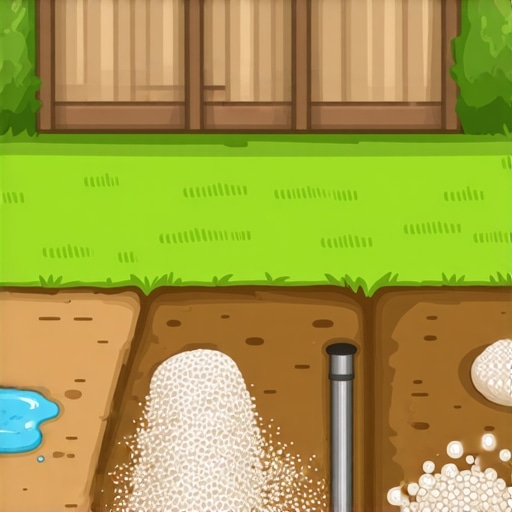
Slugs are roughly 80% water and require a constant film of moisture to move. If your garden bed stays ‘squishy’ for more than two hours after a rain event, you have a grading failure. I don’t care how much slug bait you throw at the problem; if the soil is saturated, the slugs will win. We start by excavating the planting site to a depth of 12 inches and amending heavy clay with coarse sand and expanded shale. This increases the macropores in the soil, allowing gravitational water to move out of the root zone. A hosta sitting in stagnant water develops soft, succulent tissue that is easy for a slug’s radula to pierce. It will rot. Don’t skip the drainage check. We look for a percolation rate of at least 1 inch per hour. If you don’t have that, you are just building a swamp.
Tactic 2: The Physical Impediment (Copper and Abrasives)
A slug’s slime trail is its greatest asset and its greatest weakness. To cross a copper barrier, the slug’s mucus must create a biochemical reaction that essentially delivers a small electric shock to the mollusk. We install 2-inch wide copper flashing around the perimeter of high-value hosta beds, ensuring it is buried at least 1 inch deep to prevent under-tunneling. Additionally, we move away from standard dyed wood mulch. Wood mulch holds moisture and provides a cool, dark nursery for slug eggs. Instead, we use a 1-inch top-dressing of crushed hazelnut shells or diatomaceous earth. These materials are mechanically abrasive. For a soft-bodied gastropod, crossing a bed of crushed shells is like a human walking over broken glass. It is a physical deterrent that doesn’t wash away in a light rain.
| Material Type | Slug Deterrence Level | Moisture Retention | Cost Per Sq Ft |
|---|---|---|---|
| Hardwood Mulch | Low | High | $0.45 |
| Crushed Hazelnut Shells | High | Low | $1.20 |
| Copper Flashing (2″) | Extreme | N/A | $3.50 |
| Diatomaceous Earth | Medium | Low | $0.80 |
Tactic 3: Strategic Hydration Management
I see people out there with oscillating sprinklers at 6:00 PM, soaking their hostas right as the sun goes down. That is total madness. You are essentially rolling out a wet red carpet for every slug in the neighborhood. Slugs are nocturnal. By wetting the foliage at night, you provide the perfect low-friction environment for them to feed for eight straight hours. We install Netafim drip-line irrigation under the mulch layer. This delivers water directly to the root flare at 4:00 AM. By the time the sun is up, the top layer of the soil is dry, but the roots are hydrated. We target a soil moisture tension of 10-20 centibars for hostas. If the surface is dry, the slugs stay in the ground. It is that simple.
“Slime trails are a complex mixture of water, glycoproteins, and uronic acids; reducing surface humidity is the only non-chemical way to disrupt their synthesis.” – Journal of Agronomy and Soil Science
What are the best slug-resistant hosta varieties for 2026?
The best slug-resistant hosta varieties for 2026 are those with thick, rugose (textured) leaves and high levels of pruinose wax, which makes the foliage difficult for slugs to consume. Varieties like ‘Blue Mouse Ears’, ‘Halcyon’, and ‘Sum and Substance’ are engineered with denser cellular structures that resist the rasping mouthparts of common garden slugs.
Tactic 4: The Cultivar Defense (Genetic Resistance)
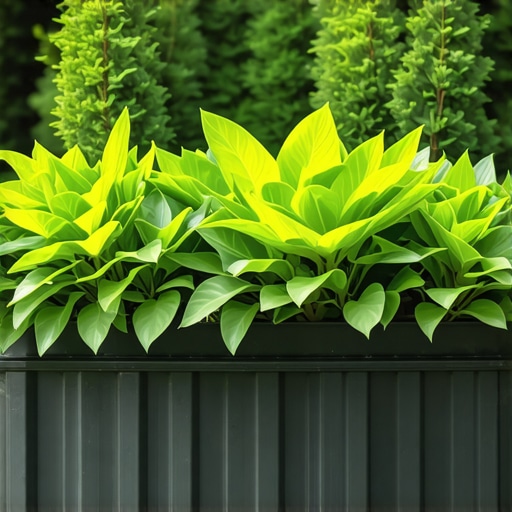
Not all hostas are created equal. If you buy the cheap, thin-leaved varieties from a big-box store, you are asking for trouble. We select cultivars based on leaf substance. You want varieties that feel like cardboard, not like lettuce. The ‘blue’ hostas are generally more resistant because they have a thick waxy coating called ‘bloom.’ This wax is bitter and difficult to navigate. When we design a garden bed, we prioritize species with ‘cupped’ or ‘puckered’ leaves. The physical structure of a puckered leaf makes it harder for the slug to maintain contact with the surface. We also monitor for the ‘root flare’ during planting. Planting a hosta too deep causes the petioles to soften and rot, creating an entry point for pests. Keep the crown 1/2 inch above the soil line. Always.
- Step 1: Clear all leaf litter and debris from the bed by March 15th to remove overwintering eggs.
- Step 2: Apply a preventative layer of iron phosphate pellets (Sluggo) before the first pips emerge.
- Step 3: Install copper collars around individual specimen plants.
- Step 4: Inspect the bed at night with a flashlight once a week to monitor for breach points.
Maintenance and the Year-One Settling Period
The first year after installation is the most critical. You are waiting for the hostas to establish their root systems and for the predatory ecosystem (toads, ground beetles) to move in. During this time, do not over-fertilize with high-nitrogen products. High nitrogen creates rapid, soft growth that slugs love. We use a slow-release 10-10-10 fertilizer at half strength. We want steady, hard growth. If you follow these tactics, your hostas won’t just survive; they will dominate the landscape. Stop treating your garden like a hobby and start treating it like an engineering project. The results will speak for themselves.