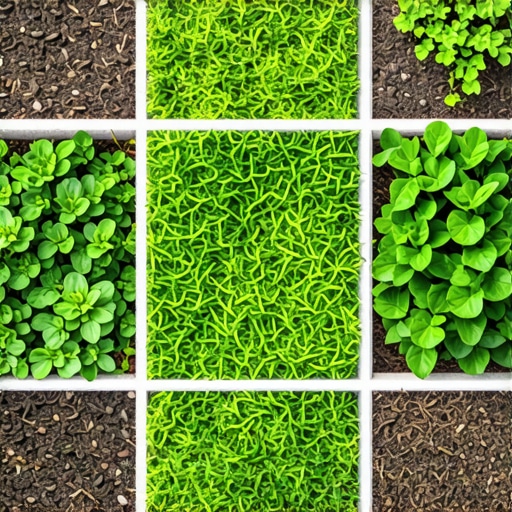
One morning, I stepped outside to enjoy a sunny weekend, only to find my beloved lawn looking patchy, muddy, and more than a little embarrassing. My playful pup had turned parts of it into a mud bath, and the grass I once took pride in was struggling to recover. That lightbulb moment made me realize: traditional grass might not be the best choice for pet owners and busy gardeners like us, especially with the looming challenges of 2026.
Why It’s Time to Rethink Your Lawn This Year
As someone who’s been knee-deep in gardening projects for years, I can tell you that the old routine of mowing and watering just doesn’t cut it anymore. With climate patterns shifting—studies show that extreme heat and droughts are becoming the new normal—it’s clear we need to adapt. Replacing traditional grass with pet-friendly ground covers can reduce water bills, minimize lawn maintenance, and create a safer environment for your furry friends. If you’re tired of patchy, overwatered patches or trying to keep your lawn green during scorching summers, you’re not alone. I promise, there’s a better way.
Is Ground Cover a Fad or a Game Changer?
Early on, I made the mistake of thinking that installing a traditional lawn was the only option. I overwatered and overfertilized, thinking it would help. But then I learned about the benefits of pet-safe ground covers, like clover or creeping thyme, which are more resilient and eco-friendly. Trust me, doing my homework saved me from costly mistakes, and it could do the same for you. Curious to see how you can make the switch? Keep reading, and I’ll guide you through the best pet-friendly ground covers to consider for 2026 and beyond.
To dive deeper into landscaping strategies that complement these ground covers, consider visiting our landscaping design tips. Now, let’s explore the options that will turn your yard into a lush, pet-safe paradise.
Select the Right Ground Cover Materials
Start by researching pet-safe options like clover, creeping thyme, or sedum. Visit local nurseries or garden centers to see the varieties available and consider your specific climate and soil conditions. During my own project, I visited a nursery early Saturday morning, carefully perusing labels and asking staff about pet safety and drought resistance. I settled on clover for its durability and self-repair ability, which proved invaluable during the muddy season.
Prepare Your Soil Thoroughly
Use a garden fork or tiller to loosen the top 6-8 inches of soil, removing any weeds or old grass remnants. Conduct a soil test using a kit to determine pH and nutrient levels—this helps prevent future patchiness. I remember before laying my ground cover, I performed a soil test that revealed low nitrogen; I added compost and slow-release fertilizer accordingly, which resulted in a lush, healthy patch of ground cover that my pup loved to explore.
Design for Ease of Maintenance and Growth
Sketch out your yard layout, marking pathways and shady spots to accommodate growth patterns. Incorporate curving borders to make maintenance easier and prevent tripping hazards. During my own installation, I laid out stepping stones along the pathways, using gravel between them to facilitate drainage. The visual appeal was immediate, and it simplified mowing around the new ground cover. Not only did this cut down on mowing time, but it also ensured that your pet’s activities wouldn’t damage the landscape.
Installing Your Pet-Friendly Ground Cover
Lay down a weed barrier fabric to minimize weed growth and ensure your plants establish without competition. Spread the clover seed or plant plugs evenly, following the recommended densities. During my project, I raked the soil lightly afterward to improve seed contact, then watered consistently to keep the area moist. Within a few weeks, germination began, and I watched as patches quickly filled in, creating a resilient, lush carpet resistant to pet wear and tear.
Establish Watering and Care Routines
Implement a watering schedule that keeps the soil moist but not waterlogged, especially during the first few weeks. Use drip irrigation or soaker hoses to target roots directly, conserving water and avoiding over-saturation. I installed a simple timer on my hose to automate this, which helped prevent neglect and overwatering. As my ground cover matured, I noticed less watering was needed, saving both water and time while maintaining vibrant coverage.
Enhance with Hardscape Elements
Complement your ground cover with permeable pavers or natural stone paths to define zones and reduce soil compaction. Use edging to contain the ground cover, making mowing and pet play safer and more manageable. I added a border of eco-friendly pavers, inspired by ideas from hardscaping trends, which created a polished look while allowing drainage. Combining different materials provides visual interest and practical benefits, especially in high-traffic pet areas.
Monitor and Adjust Over Time
Regularly inspect your ground cover for bare patches or weeds and reseed as needed. Adjust watering based on weather patterns, especially during droughts. Keep pet activity zones clear of debris or excessive wear, and consider adding supplemental mulch or small gravel patches for comfort and dirt control. During my ongoing maintenance, I found periodic patching with seed revitalized worn spots, and adjusting watering schedules prevented unnecessary drought stress, extending the lifespan of my lawn transformation.
By following these concrete steps, you’re equipped to create a resilient, pet-friendly lawn alternative that withstands the challenges of 2026. For more landscaping insights, visit our design tips page and explore innovative ideas that suit your outdoor needs.
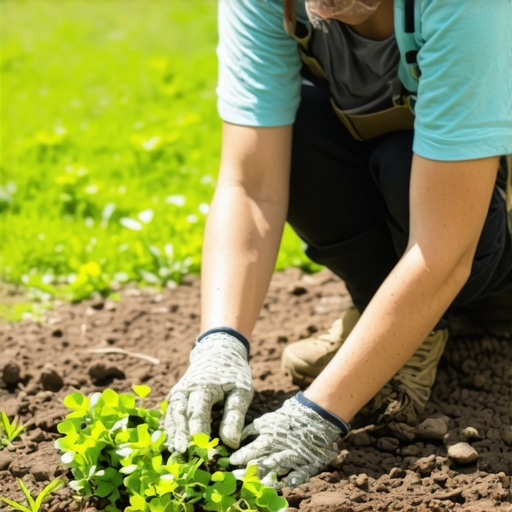
Think You Know Your Lawn? Think Again
Many gardeners believe that regular mowing, watering, and fertilizing are all it takes to maintain a lush lawn. However, these practices often cover up deeper issues. For example, overwatering can lead to weak root systems, making your grass more susceptible to disease and pests. This misconception is widespread; many think more water is better, but according to horticultural research, water management that mimics natural rainfall patterns promotes stronger, more resilient turf. Challenging these myths can be the difference between a fragile lawn and a self-sustaining, healthy landscape.
Beware the Hardscaping Trap
Hardscape elements like concrete or pavers are attractive, but overusing them can inadvertently harm your soil health. The common mistake is to create a sea of impermeable surfaces that lead to drainage issues and soil erosion. As noted in recent studies, integrating permeable materials not only prevents water runoff but also supports local groundwater recharge. Rigidly following traditional hardscaping ideas without considering these nuances can backfire, leading to costly repairs down the line. Incorporating strategic drainage solutions, such as those discussed here, is essential for long-term success.
Are You Falling for Garden Design Stereotypes?
A common myth is that a beautiful garden must be overly manicured with exotic plants. In reality, many experienced landscapers advocate for native plants and naturalistic designs that require less maintenance and are more environmentally friendly. For instance, installing drought-resistant native plants can dramatically reduce water use and attract local pollinators, as emphasized in recent ecological studies. Embracing a design that respects your local climate and soil conditions is not just more sustainable; it often results in a more vibrant and resilient garden.
One hidden nuance many overlook is the importance of soil health. Even the most stunning garden or lawn will fail if the soil lacks proper nutrients or structure. Conducting regular soil testing can reveal deficiencies or imbalances you might not see on the surface, guiding targeted amendments that improve plant health and growth.
What About Advanced Mistakes in Landscaping?
Advanced gardeners sometimes overlook the importance of planning for future environmental changes. For example, planting sensitive ground covers or delicate plants without considering climate projections can lead to premature decline or you might need to replace them sooner than expected. An insightful approach involves choosing adaptable, native, or tough species capable of weathering the upcoming 2026 climate shifts. As research indicates, proactive planning and selecting resilient plant varieties can save time, money, and frustration in the long run.
Have you ever fallen into this trap? Let me know in the comments. Remember, understanding these hidden nuances can elevate your lawn and garden from good to outstanding, ensuring they withstand the challenges ahead.
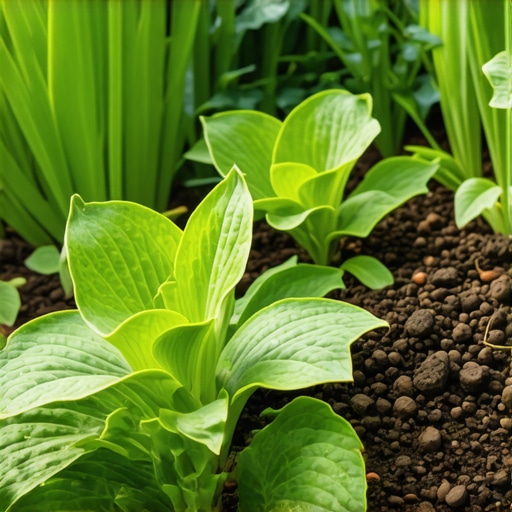
Keeping your garden in top shape requires more than just planting and watering; it demands reliable tools and consistent maintenance routines. Over the years, I’ve refined my toolkit to include specific equipment that balances efficiency, durability, and environmental friendliness. One indispensable item is my cordless brushless impact driver, which I use to install landscape fixtures and hardscape elements swiftly without the hassle of cords or fumes. Its compact size and high torque make working in tight spaces much easier, especially when securing edging or installing small retaining walls.
Investing in the Right Power Tools
For soil prep, I rely on a robust electric tiller with adjustable depth control, enabling me to aerate and loosen compacted earth with minimal effort. I prefer models with variable speed settings, as they give me the flexibility to handle diverse soil conditions—clay, sandy, or loamy—without damaging the soil structure. Additionally, a lightweight, high-quality mini chainsaw comes in handy for pruning native plants or removing woody debris, helping me maintain a clean, healthy garden without the fatigue of traditional tools.
Smart Equipment Enhances Long-Term Results
Modern garden automation is transforming maintenance routines. I personally recommend programmable drip irrigation systems with soil moisture sensors. These systems monitor real-time moisture levels, adjusting watering schedules automatically to prevent over- or under-watering—crucial during drought-prone periods. Not only does this save water, but it also encourages deep root growth for native plants and drought-resistant ground covers, as discussed in this article.
How do I maintain landscape durability over time?
Regularly inspecting and cleaning your hardscaping elements is vital. I use a power washer with a surface cleaning attachment designed for pavers and natural stone to remove moss, algae, and dirt—keeping your pathways safe and visually appealing. For softscape, scheduled pruning and mulching are key. Applying organic mulch twice a year helps conserve soil moisture and suppress weeds, aligning with sustainable gardening practices. Plus, testing your soil annually, as recommended by this source, ensures your amendments and fertilizers are effective, promoting long-lasting plant health.
Adapting Tools for a Sustainable Future
Looking ahead, the trend is shifting toward eco-friendly gardening equipment. Solar-powered tools, biodegradable plant clips, and automated smart systems will soon become standard. For example, solar-powered landscape lights not only add ambiance but also reduce energy consumption. Investing early in these technologies can future-proof your garden while reducing maintenance efforts. The continuous improvement of input devices, like smart sensors, is backed by advances in IoT, promising even more precise and energy-efficient garden care in years to come.
Take charge today by upgrading one aspect of your gardening routine—perhaps installing a soil moisture sensor or replacing manual watering with an automated system. Small steps now can significantly reduce maintenance time and boost your garden’s resilience, ensuring vibrant results in 2026 and beyond. For more tips on innovative landscape management, visit our design strategies page.
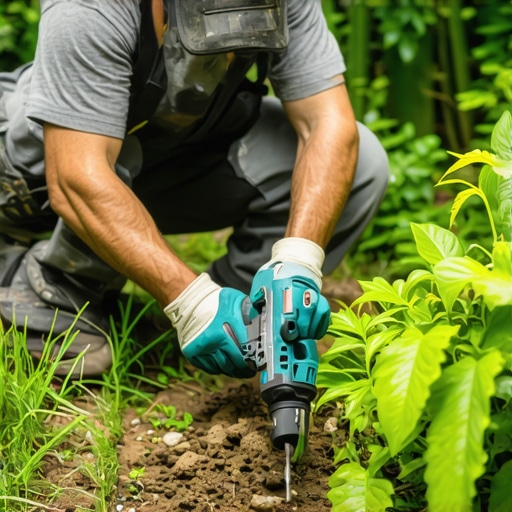
How do I keep my landscape performing year after year?
Consistent inspection and maintenance are key to a thriving garden. Regularly checking for weed intrusion, soil health, and structural stability of hardscape features prevents minor issues from becoming costly repairs. Using durable tools like impact drivers for fixing fixtures, along with scheduled watering and pruning, ensures your landscape remains beautiful and functional without constant overhaul. Embracing automation and eco-friendly equipment will also be vital as we move toward sustainable garden care in 2026 and beyond. According to industry expert Green Tech Media, integrating IoT devices into landscape maintenance is expected to grow by over 25% annually, promising smarter, less labor-intensive gardens in the near future. Try one advanced maintenance tip this season, such as setting up a soil moisture sensor, to see immediate benefits and simplify your ongoing landscape management system.
The Hardest Lessons I Learned About Lawn Care and Garden Design
One of the most eye-opening realizations was how often I underestimated the importance of soil health. I thought choosing the right plants was enough, but neglecting soil testing led to patchy growth and wasted effort. Discovering that regular soil testing could prevent many issues changed my approach entirely.
Secrets the Experts Keep to Maintain Stunning Landscapes
I used to believe that elaborate hardscape features automatically led to beautiful yards. But I learned that strategic placement and permeability are key. Incorporating permeable materials and thoughtful design can save you from costly drainage problems and keep your garden thriving during rainstorms.
Making Garden Myths Work in Your Favor
I was told that native plants require minimal care. While true, I didn’t realize that selecting native species resilient to the upcoming climate shifts was crucial. Embracing this knowledge made my garden more sustainable and enjoyable. Looking for inspiration? Check out native plants perfect for 2026.
Beyond Basics: A Personal Tip for Garden Longevity
Investing in smart tools like automated irrigation systems and soil moisture sensors has transformed my maintenance routine. These small upgrades can significantly extend your garden’s health and beauty without adding to your workload.
![5 Rabbit-Proof Shrubs for a Maintenance-Free 2026 Garden [List]](https://lawnmajesty.com/wp-content/uploads/2026/02/5-Rabbit-Proof-Shrubs-for-a-Maintenance-Free-2026-Garden-List.jpeg)

![4 Salt-Tolerant Plants for 2026 Coastal Garden Privacy [List]](https://lawnmajesty.com/wp-content/uploads/2026/02/4-Salt-Tolerant-Plants-for-2026-Coastal-Garden-Privacy-List.jpeg)
![5 Climate-Tough Shrubs for No-Water 2026 Gardens [Tested]](https://lawnmajesty.com/wp-content/uploads/2026/02/5-Climate-Tough-Shrubs-for-No-Water-2026-Gardens-Tested.jpeg)
![7 Native Trees for Instant 2026 Backyard Privacy [List]](https://lawnmajesty.com/wp-content/uploads/2026/02/7-Native-Trees-for-Instant-2026-Backyard-Privacy-List.jpeg)