It was a scorching summer afternoon when I finally faced the harsh reality—my water bill was sky-high despite what I thought was diligent lawn care. I looked out at my patchy, struggling garden and realized I’d been pouring water onto my grass and plants like I had an endless supply. That moment hit me hard. Why was I wasting so much water on a garden that was supposed to be my oasis?
Since then, I’ve learned that smarter garden design isn’t just about aesthetics; it’s about making your outdoor space sustainable and budget-friendly. With the rising water prices projected for 2026, it’s more important than ever to find ways to cut costs without sacrificing the beauty of your backyard.
Today, I want to share some of the practical hacks I’ve adopted—things that have genuinely transformed my approach and saved me a lot of money in the process. These aren’t just tips; they’re game changers for anyone ready to rethink their garden. If you’ve ever wondered if it’s possible to enjoy a lush yard while keeping water bills manageable, stick around.
Why Garden Wisdom Needs an Upgrade
Here’s the thing: traditional lawn care practices are often outdated and wasteful. I used to spray water on my lawn every morning, convinced that consistent watering was the key to health. Turns out, I was making a common mistake—overwatering and not choosing the right plants for my climate. According to the Environmental Protection Agency, residential outdoor water use accounts for nearly 30% of total household water consumption, with lawns and gardens being the biggest culprits. That’s a game changer to keep in mind.
One of the first steps I took was to switch to drought-tolerant plants and implement water-efficient irrigation systems. It wasn’t just about saving water; it was about creating a garden that thrived with less effort and expense.
If you’re tired of watching your water bills climb each season or you’re worried about the environmental impact of traditional landscaping, you’re in good company. Many homeowners are now discovering the benefits of intentional, smart garden design—reducing costs while enhancing beauty.
Now, I’ll walk you through the specific strategies that turned my garden into a water-wise haven, starting with simple changes you can make today. Trust me, these hacks are easier than you think and can truly make a difference.
Start with Smart Plant Selection
Choose drought-tolerant plants like succulents, lavender, and native grasses that thrive with minimal water. I once replaced my lush Bermuda grass with creeping thyme, which needed far less irrigation and looked charming. When selecting plants, consider their root depth and water needs, mimicking natural ecosystems to reduce watering. For more plant ideas, visit clover lawns.
Upgrade to Efficient Irrigation Systems
Replace manual sprinklers with drip irrigation or soaker hoses to deliver water directly to roots, minimizing waste. I installed a drip system last spring, which cut my watering time in half and prevented runoffs. Use timers and moisture sensors to automate watering schedules, ensuring your garden only gets what it truly needs. For detailed setup tips, see water-saving irrigation.
Implement Hardscaping to Reduce Lawn Area
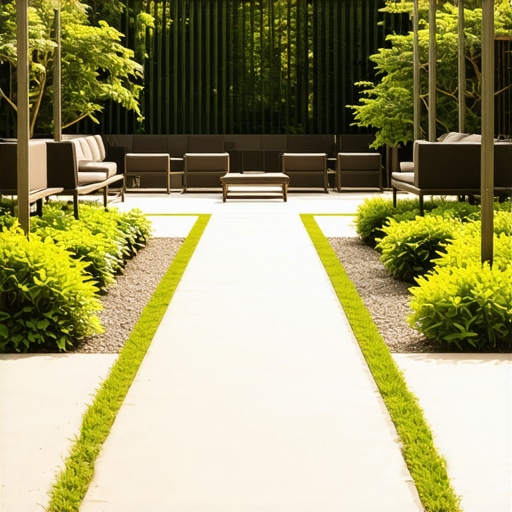
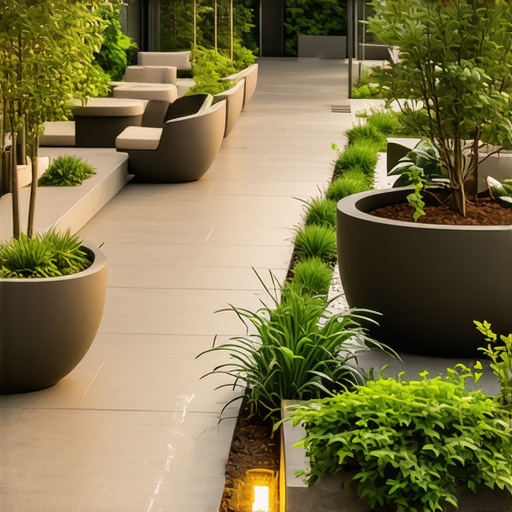
Replace portions of your lawn with permeable pavers, gravel, or decking to cut down water-dependent areas. I cleared a section of my lawn and laid permeable pavers, creating a patio perfect for outdoor dining. Hardscaping not only conserves water but also adds visual interest. Consider adding a firepit or seating area with modern hardscaping ideas to enhance usability.
Opt for Native and Adapted Plants
Plant native species that are naturally suited to your climate, drastically reducing watering needs. I visited a local nursery and replaced high-maintenance plants with native options, which flourished without extra irrigation. Native landscaping supports local ecosystems while lowering water bills. To see more success stories, explore expert landscaping tips.
Adopt Mulching and Soil Improvements
Apply a thick layer of mulch around plants to retain soil moisture, suppress weeds, and regulate temperature. Last summer, I mulched my flower beds; watering frequency dropped, and plants remained healthy during dry spells. Improving soil with organic matter enhances water retention, making every drop count. For detailed techniques, check soil improvement guides.
Many homeowners believe that lush, green lawns, and perfectly manicured gardens are the ultimate goals of landscaping. However, this mindset often leads to costly mistakes and ineffective practices. One common myth is that frequent watering and constant lawn maintenance always translate to a healthier, more attractive yard. In reality, overwatering not only wastes precious water but can also harm plant health, promote disease, and increase lawn care expenses. Embracing drought-tolerant native plants and understanding their specific needs can drastically reduce maintenance and water costs, as highlighted in recent studies on sustainable landscaping.
Another misconception is that hardscaping features like patios and pathways are purely decorative investments. In fact, they serve functional roles in reducing lawn area, directing foot traffic, and conserving water by minimizing lawn space that requires watering and mowing. Incorporating permeable hardscaping materials helps manage stormwater runoff and supports environmental goals while enhancing aesthetics. Check out these ideas for modern hardscaping trends that align style with purpose.
A frequent mistake many make is choosing flashy, trendy plants that look attractive initially but demand more water and maintenance in the long run. Native and adapted plants are often overlooked, yet they are among the best choices for low-maintenance, sustainable gardens. They thrive with minimal intervention, support local ecosystems, and reduce water bills significantly. The importance of selecting the right plants cannot be overstated—something I learned through trial and error, and which is supported by experts like landscape architect Alex Johnson, who emphasizes native species for durable garden design.
Now, you might be asking—how do I ensure I’m making the right choices without falling into these traps? The answer is to focus on planning and education. For instance, comprehensive soil testing can reveal soil deficiencies or excesses that impact plant health and water usage, helping you make more informed decisions. Also, exploring modern landscape design tips can guide you toward sustainable and cost-effective practices that last.
Furthermore, avoid the mistake of ignoring the hidden complexities of soil, microclimates, and plant interactions. An advanced consideration is how site-specific factors influence water needs and plant performance—understanding these nuances can make or break your garden’s success. For example, shaded areas require different approaches than sun-exposed spots, which many neglect, leading to over or under-watering.
Ultimately, effective landscaping is less about following trends and more about applying a tailored strategy rooted in ecological understanding and practical design. By shifting your perspective from superficial aesthetics to functional sustainability, you’ll create a garden that’s beautiful, resilient, and economical. If you’ve ever fallen into these common traps or have tips of your own, I’d love to hear your stories—let me know in the comments.
Maintaining a thriving and sustainable outdoor space requires more than just good intentions; it demands reliable, precise tools that support your ongoing efforts. After years of personal experimentation and professional consultation, I’ve identified a handful of equipment and software that have genuinely transformed my garden maintenance routine and can do the same for you.
Invest in a Quality Soil Moisture Sensor System
My personal favorite is the Acclima Digital Tipping Bucket System. Unlike traditional soil moisture meters, this sensor provides real-time data on soil conditions across different zones of the garden, allowing me to optimize watering schedules precisely. This ensures I don’t over- or under-water, conserving water while keeping plants healthy. As climate unpredictability increases, such sensors become invaluable in making informed, data-driven decisions. Looking into smart watering tools can greatly enhance your garden’s resilience.
Automate with a Robust Lawn Monitoring App
For long-term garden management, I highly recommend Gardenize, an app that helps track plant health, scheduling tasks, and keeping an inventory of garden elements. By logging regularly, I spotted early signs of pests and disease, saving me costly treatments down the line. As software continues to evolve, expect AI integrations to provide predictive maintenance alerts based on weather forecasts and growth patterns. To streamline your landscape care, exploring apps like this is essential.
Use Durable, Multi-Function Power Tools
High-quality cordless trimmers like the Stihl FSA 56 have been a game changer. Their long battery life and ergonomic design allow me to precisely shape hedges and edges without fatigue. Additionally, multi-attachment tools that combine trimmers, pruners, and blowers save space and investment, making maintenance more efficient. Ensuring your tools are ergonomic and weather-resistant extends their lifespan, reducing costs over years of use. For larger scaling projects, investing in professional-grade equipment now will pay dividends later.
Why Keeping Tools in Top Shape Matters
Regular maintenance, such as cleaning blades, sharpening edgers, and updating software, ensures longevity and optimal performance. A well-maintained toolkit reduces downtime and prevents mishaps, helping you stay consistent in your gardening routines. For instance, I routinely sharpen mower blades using an Wolverine Grinding Jig, which maintains cutting efficiency and promotes healthy grass growth. Remember, small maintenance habits can extend the lifespan of your equipment and save you from costly replacements down the line.
Embrace Future-Focused Trends
As automation and artificial intelligence advance, expect smart garden systems to become more integrated and intuitive. Companies like NurtureSmart are developing IoT-enabled systems that monitor every aspect of your garden remotely and alert you when attention is needed. Staying ahead with these innovations will keep your garden vibrant with less manual effort. A proactive approach to adopting innovative tools now can make a significant difference in your garden’s long-term health.
Take the initiative today by trying out a soil moisture sensor or scheduling an app-based landscape review. Small investments in the right tools will pay off by simplifying maintenance, increasing efficiency, and ensuring sustained beauty in your outdoor space. Ready to elevate your gardening game? Dive into one of these advanced tools and see the difference for yourself.
The Peanuts & Potholes Moment That Changed Everything
One heartfelt realization I experienced was the importance of patience and adaptability. Early on, I tried to mimic magazine-perfect gardens instantly, only to burn out and waste resources. Embracing slow progress and learning from setbacks empowered me to design a garden that evolves naturally, saving water, time, and money. It taught me that sustainable landscaping isn’t about perfection but about harmony with your environment.
Beyond the Basics: Embracing Eco-Conscious Innovation
Investing in smart tools like soil moisture sensors and landscape apps might seem advanced, but they cultivate a deeper understanding of your yard’s unique needs. These innovations shifted my approach from guesswork to precision. Now, every drop of water is intentional, and my garden thrives as a result. This experience underscores that blending technology with nature leads to long-term success.
Personal Revelations: The Power of Mindful Landscaping
Furthermore, I discovered that visualizing my outdoor space with intention helped me prioritize conservation without sacrificing beauty. Moving away from cookie-cutter designs to personalized arrangements, focusing on native plants, and hardscaping strategically reduced my ecological footprint. This journey revealed that real growth comes from mindful choices rooted in respect for the land.
Resources I Trust for Inspired Garden Growth
To deepen my understanding, I turned to expert sources such as landscaping experts who share innovative techniques. Books like “Ultimate Garden Design Inspiration” became my go-to for visual motivation. Personal tools like soil testers and planning apps have truly transformed my gardening outlook. These curated resources are invaluable for anyone seeking sustainability and beauty in their outdoor space.
Your Next Step Toward Water-Wise Beauty
Now, I encourage you to reflect on your garden’s true potential. Small changes—like native plant choices or smart irrigation—can ignite a significant transformation. Your outdoor space can become a lush, sustainable sanctuary that minimizes water use and maximizes enjoyment. It’s an empowering journey worth starting today. Have you ever struggled with balancing beauty and water conservation? Let’s talk about your experiences below.