Why Hardwood Mulch Is Starving Your Perennials of Nitrogen
The Silent Soil Robbery: Understanding Nitrogen Immobilization
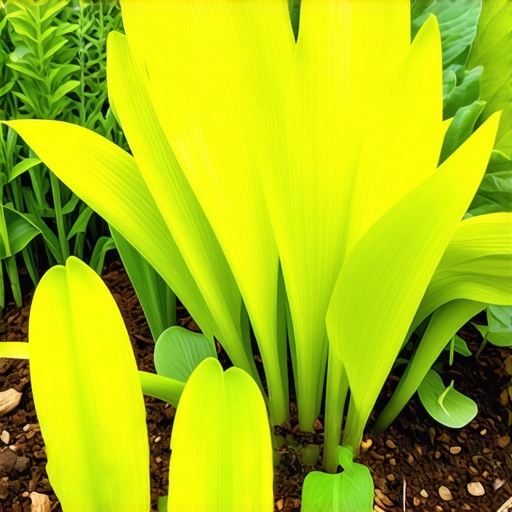
Nitrogen immobilization occurs when carbon-rich organic matter, specifically uncomposted hardwood mulch, is applied to garden beds, forcing soil microbes to scavenge available nitrogen to fuel the decomposition process. This biological competition leaves your perennials and ornamental shrubs with a massive nutrient deficit, manifesting as yellowing leaves and stunted development. It is a fundamental conflict between microbial energy needs and plant health.
I always drill this into my new crew members: if you do not understand the chemical breakdown of the materials you are spreading, you are not a landscaper; you are just a guy moving piles of dirt. Last season, I had a fresh apprentice who thought he was doing a favor by piling ‘premium’ double-ground hardwood four inches deep around a new install of Echinacea and Salvia. Two weeks later, the client called. The plants looked like they had been hit with a blowtorch—pale, spindly, and failing. The kid had created a nitrogen vacuum. He did not realize that by introducing that much raw carbon to the soil surface, he triggered a microbial feeding frenzy that stripped the root zone of every available nitrate. Every plant you put in the ground without addressing the soil chemistry is just expensive compost. We had to pull the mulch back, inject liquid urea, and top-dress with high-quality compost just to save the warranty on that job.
The Chemistry of the Carbon-to-Nitrogen (C:N) Ratio
The microbial reality of your yard is governed by the C:N ratio. Most hardwood mulches have a ratio of approximately 400:1. To break down that wood, bacteria and fungi require a diet closer to 20:1. They satisfy this hunger by pulling nitrogen directly from the top three inches of your soil profile. This is where your perennial root systems live.
“Nitrogen deficiency is common when high carbon-to-nitrogen ratio materials, such as wood chips or sawdust, are incorporated into the soil or applied heavily as a mulch without supplemental fertilization.” – Penn State Agricultural Extension
When you dump raw hardwood on a bed, you are essentially starting a slow-motion chemical fire. The microbes are the fuel, and the nitrogen is the oxygen. If the oxygen runs out, the microbes stop working, but not before they have starved your plants. This is not a guess; it is biology. It will rot. Your plants will die. Don’t skip the nitrogen buffer.
How much nitrogen does hardwood mulch actually consume?
A standard 2,000-square-foot garden bed covered in three inches of fresh hardwood mulch can tie up several pounds of nitrogen in the first six months of decomposition. This is why professional landscaping requires more than just aesthetics; it requires an agronomy-based approach to garden design and lawn care.
The Forensics of Mulch Selection
Choosing the wrong mulch is a structural failure. While the big-box stores sell dyed hardwood by the pallet, these products are often the primary culprits in nitrogen drawdown. They are often made from shredded pallets or construction debris, which have zero nutrient value and high lignin content that takes years to break down. Below is a breakdown of common materials and their impact on your soil chemistry.
| Mulch Type | C:N Ratio (Approx) | Nitrogen Drawdown Risk | Best Use Case |
|---|---|---|---|
| Hardwood Mulch | 400:1 | High | Pathways or established trees |
| Pine Bark Nuggets | 150:1 | Moderate | Acid-loving shrubs (Azaleas) |
| Leaf Mold/Compost | 25:1 | Zero/Positive | Perennial beds and vegetable gardens |
| Pine Straw | 80:1 | Low | Sloped areas and large landscape beds |
Remediating the Damage: A Step-by-Step Recovery Plan
If you have already applied heavy hardwood mulch and are seeing chlorosis (yellowing of the leaves with green veins), you need to act before the root flares begin to suffocate. Follow this professional remediation checklist:
- Pull back the mulch: Ensure no mulch is touching the stems or trunks of your plants. This prevents rot and allows gas exchange.
- Soil Test: Use a professional lab, not a cheap pH probe, to determine the exact nitrate levels in your soil.
- Supplemental Nitrogen: Apply a slow-release nitrogen fertilizer (like a 21-0-0 Ammonium Sulfate) directly to the soil before replacing a thinner layer of mulch.
- Incorporate Compost: Layer one inch of finished compost under the mulch to provide a ‘buffer’ of nutrients for the microbes.
- Hydration Check: Deep, infrequent watering is essential. Light sprinkling only keeps the mulch wet, which encourages surface-level fungal mats that repel water.
What is the best way to prevent nitrogen deficiency?
The most effective way to prevent nitrogen drawdown is to use composted mulch or to apply a nitrogen-rich starter fertilizer before laying down hardwood. This ensures the microbes have their own food source and do not have to steal it from your perennials.
“A retaining wall doesn’t fail because of the stone; it fails because of the water trapped behind it, and a garden doesn’t fail because of the plants; it fails because of the soil chemistry ignored beneath them.” – Hardscape Engineering Axiom
The Long-Term Impact on Garden Design
When planning your hardscaping and garden design, you must account for the decomposition cycle. Hardwood mulch eventually turns into beautiful soil, but the transition period is dangerous. I see homeowners spend $5,000 on nursery stock and then kill it with $200 worth of bad mulch. It is a tragedy of physics and biology. Use pine bark or leaf mold for perennials. Save the heavy hardwood for the pathways where you don’t want anything to grow. That is the pragmatic truth of a veteran landscaper. Trust the chemistry, not the color of the dye.