Stop 2026 Garden Pests with Proper Soil Nutrition Balance
The Forensic Autopsy: Why Pests Win the War in Your Yard
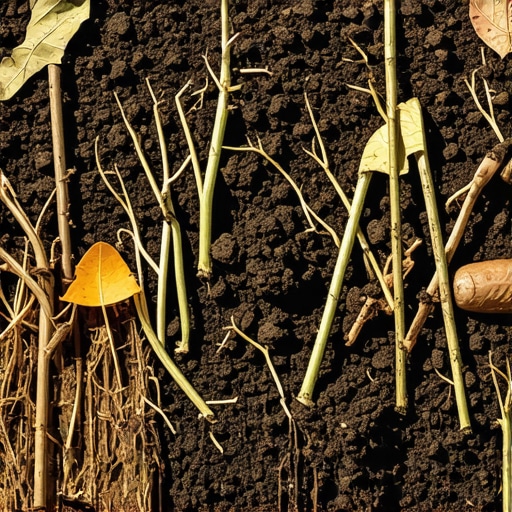
Proper soil nutrition balance prevents 2026 garden pests by fortifying the plant’s structural integrity and increasing the production of secondary metabolites that act as natural repellents. When a plant is nutritionally optimized, it becomes a difficult target for insects that prefer the high-sugar, low-defense profile of stressed vegetation. Look at your soil. If it is hard-packed, gray, or smells like sulfur, you are already losing. I see it every season. Homeowners treat the symptom—the bugs—while ignoring the systemic failure happening six inches underground. A plant struggling to find magnesium is a plant that cannot photosynthesize efficiently. That inefficiency leads to a buildup of free amino acids in the foliage. These acids are like a dinner bell for aphids and mites. Stop looking at the leaves and start looking at the dirt. It is the only way to break the cycle of chemical dependency and pest outbreaks.
The Chemical Nightmare: A $15,000 Lesson in Soil Burn
A homeowner called me in a panic last August after they completely torched their front lawn by applying a heavy-duty, big-box store weed-and-feed during a 95-degree heatwave. They thought more was better. They were wrong. When I arrived, the lawn didn’t just look brown; it looked mummified. The high salt index of the cheap synthetic nitrogen had effectively sucked every drop of moisture out of the grass crowns through osmotic pressure. But the real disaster wasn’t just the dead grass. Within a week, the stressed, dying turf was hit by a massive infestation of sod webworms and chinch bugs. These pests are nature’s clean-up crew. They are genetically programmed to target vegetation that is already failing. By overloading the soil with synthetic salts, the homeowner hadn’t just burned the roots; they had sent a chemical signal to every pest in the county that the buffet was open. We had to excavate four inches of salt-crusted topsoil just to get a fresh start. Don’t be that person. Soil chemistry is a delicate balance of electrical charges and biological life, not a place for ‘more is better’ logic.
The Science of Plant Immunity: NPK Ratios and Pest Resistance
Balanced NPK ratios are critical because excessive nitrogen creates succulent growth with thin cell walls that are easily penetrated by piercing-sucking insects. Conversely, adequate potassium levels thicken cell walls and increase the plant’s ability to regulate water, making it less attractive to opportunistic invaders. Nitrogen is the fuel, but potassium and phosphorus are the armor and the engine. If you push nitrogen too hard to get that ‘instant green,’ you are essentially building a skyscraper with cardboard walls. It looks good for a month, then the first wind—or the first aphid—knocks it down. High-nitrogen environments also suppress the plant’s production of phenolic compounds. These are the chemicals plants use to taste ‘bad’ to bugs. You are literally making your garden more delicious to the things that want to eat it.
“A plant that is nutritionally balanced and grown in soil with high biological activity will rarely suffer from devastating pest pressure, as its own metabolic defenses are its primary shield.” – USDA Sustainable Agriculture Research & Education (SARE) Manual
How does soil pH affect garden pests?
Soil pH dictates the bioavailability of micronutrients like iron, manganese, and zinc, which are essential for the production of plant defense enzymes. When pH is outside the 6.2 to 6.8 range, even a nutrient-rich soil becomes a ‘locked vault’ where the plant starves in the midst of plenty, leading to pest-attracting stress. If your pH is 7.5, your plants can’t take up iron. They turn yellow (chlorosis). That yellowing is a visual signal to pests that the plant’s immune system is down. It is not enough to have the nutrients in the ground; the chemical ‘key’ of pH must be turned to let the plant actually eat them.
The Role of Micronutrients and Silica in Structural Defense
Secondary macronutrients like calcium and micronutrients like silica are the primary components of plant cell wall strength, creating a physical barrier that many pests cannot breach. Silica is the unsung hero of the hardscape and the garden. In the engineering world, we use it for stability; in the plant world, it functions like internal chainmail. Plants that accumulate silica are physically tougher. They wear down the mandibles of chewing insects like beetles and caterpillars. If your soil is depleted of these minerals, your plants are soft. They are easy pickings. Use a soil test to check your levels of Calcium, Magnesium, and Sulfur. If they are low, your ‘organic’ garden is just a snack bar for the 2026 pest season.
| Nutrient | Role in Pest Defense | Excess Result | Deficiency Sign |
|---|---|---|---|
| Nitrogen (N) | Rapid Growth | Thin cell walls, High Pests | Stunted, Yellowing |
| Phosphorus (P) | Root/DNA Development | Micronutrient Lockout | Purple-tinted Leaves |
| Potassium (K) | Water/Enzyme Regulation | Salt Toxicity | Leaf Margin Burn |
| Calcium (Ca) | Cell Wall Glue | Magnesium Deficiency | Distorted New Growth |
| Silica (Si) | Physical Armor | Negligible | Weak, Flopping Stems |
Which nutrients stop aphids?
To stop aphids, focus on potassium and calcium while strictly limiting excessive nitrogen applications during the peak spring growing season. Aphids thrive on the high concentration of free nitrogen in plant sap, so keeping your N levels moderate forces the plant to convert that nitrogen into complex proteins that aphids cannot easily digest. It is about making the sap less ‘nutritious’ for the bug and more useful for the plant.
Corrective Measures for Soil Imbalance and Pest Prevention
Soil remediation requires a multi-step process involving aeration, organic matter integration, and the targeted application of slow-release minerals to restore the Cation Exchange Capacity (CEC). Don’t just throw lime at the problem. You need to know your CEC. If your soil is sandy, it can’t hold onto nutrients. It’s like trying to fill a bucket with holes in the bottom. You need organic matter—real compost, not the bagged trash that’s half wood chips—to build that ‘holding capacity.’ For heavy clay, you need aeration to get oxygen to the microbes. Those microbes are the ones who actually feed the plants. Without them, you’re just dumping chemicals into a graveyard.
“Compaction and poor drainage are the precursors to root rot and pest infestation, as anaerobic conditions destroy the mycorrhizal fungi essential for plant nutrient uptake.” – ICPI Hardscape Engineering Axiom
The 2026 Soil Health Checklist
- Conduct a Professional Soil Test: Stop guessing. Get a lab-grade analysis that includes CEC and micronutrients.
- Adjust pH Gradually: Use elemental sulfur to lower pH or calcitic lime to raise it, but never more than 50 lbs per 1,000 sq ft per application.
- Top-Dress with Leaf Mold: Increase your soil’s fungal-to-bacterial ratio to support long-term plant immunity.
- Monitor Brix Levels: Use a refractometer to check the sugar content of your plants. Aim for a Brix reading above 12 to naturally deter pests.
- Deep Core Aeration: Do this every fall to reduce compaction and allow nutrients to reach the root zone.
The 2026 Maintenance Horizon
Landscaping is not a static event; it is a biological process. If you want a pest-free yard in 2026, the work starts today. It starts with the soil. You cannot buy your way out of a bad soil profile with a sprayer full of poison. The pests will just come back stronger, more resistant, and hungrier. Build the soil. Build the plant. The pests will find somewhere else to eat. It is that simple. Don’t skip the testing. Don’t buy cheap fertilizer. And for heaven’s sake, stop over-watering your clay soil. You are literally drowning your plants’ only defense mechanism. Check the pH. Fix the drainage. Grow something that can actually fight back.
![Why Your 2026 Hydrangeas Aren't Blooming [Fix]](https://lawnmajesty.com/wp-content/uploads/2026/07/Why-Your-2026-Hydrangeas-Arent-Blooming-Fix.jpeg)